AIIA Ayurveda study in Faridabad shows quality of life gains in elderly
Synopsis
The All India Institute of Ayurveda screened over 5,500 elderly residents in Faridabad under a government public health initiative and found that a 60-day Ayurvedic intervention lifted WHOQOL scores by more than 34 points. The Ayush ministry, however, flagged the need for broader scientific validation before drawing firm conclusions.
Key Takeaways
AIIA screened 5,594 people aged 60–80 in Faridabad, Haryana under its Public Health Initiative over three months.
WHOQOL quality of life scores rose from 292.0 to 326.3 after a 60-day Ayurvedic intervention.
A separate dementia component covered 200 patients over four months , with positive changes in cognitive health and biomarkers including serotonin, DHEA, and vitamin D.
67.73% of participants had vision problems; 43.05% reported physical inactivity; 6.85% showed reduced cognitive function at baseline.
The Ministry of Ayush cautioned that more extensive evaluation and safety monitoring are needed before findings can be validated.
A community-based Ayurveda intervention carried out by the All India Institute of Ayurveda (AIIA) in Faridabad, Haryana, has recorded measurable improvements in quality of life, Agnibala, and bone mineral density among elderly participants, according to an official statement released on Tuesday, 27 October 2026 by the Ministry of Ayush. Positive changes were also observed in cognitive health and selected biomarkers including serotonin, acetylcholine, DHEA, and vitamin D.
Scale and Structure of the Intervention
Under its Public Health Initiative (PHI), AIIA screened 5,594 people aged 60 to 80 years across Faridabad district over a period of three months, providing them with Ayurvedic medicines. A separate component of the project focused specifically on dementia, under which 200 patients were screened and given Ayurveda-based medicines over four months.
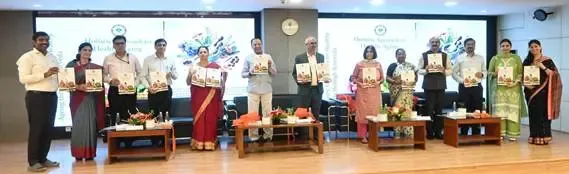
The findings were presented at a workshop held at AIIA, and the project report has been submitted to an expert committee for further review.
Key Findings: Quality of Life and Digestive Health
In the first component of the study, improvements in quality of life were recorded after a 60-day intervention. The total score on the World Health Organization Quality of Life (WHOQOL) assessment rose from 292.0 to 326.3 — a gain of over 34 points. Improvements were noted across all six parameters used to assess Agnibala, the Ayurvedic concept associated with digestive and metabolic strength.
Health Challenges Identified Among Participants
The initial screening revealed a range of health concerns among the elderly cohort. Vision-related problems affected 67.73% of participants, making it the most prevalent issue. Physical inactivity was recorded in 43.05%, while reduced cognitive function was identified in 6.85%. Other conditions observed included high blood pressure, elevated random blood glucose levels, reduced bone mineral density, constipation, and sleep-related problems — a profile broadly consistent with the burden of non-communicable disease among India's ageing population.
Caveats and Next Steps
The Ministry of Ayush was careful to note the preliminary nature of these results. According to the official statement, more extensive scientific evaluation, continued safety monitoring, and further studies are necessary to validate the findings and establish the effectiveness and safety of the interventions. The ministry did not indicate a timeline for a follow-up or larger-scale trial.
The All India Institute of Ayurveda (AIIA), based in New Delhi, is an autonomous institution under the Ayush ministry that works to advance Ayurveda through education, research, clinical services, and public health programmes. This study marks one of its larger community-based outreach efforts targeting geriatric health. How the findings translate into replicable public health policy will be closely watched by integrative medicine researchers.
Point of View
500 participants — but the Ayush ministry's own caveat about needing further validation is the real headline buried in the release. A WHOQOL gain of 34 points over 60 days is promising, yet without a control group or peer-reviewed publication, the findings remain preliminary. India's integrative medicine agenda needs this kind of community data, but credibility requires independent replication. The dementia component, covering 200 patients, is particularly worth watching given India's projected surge in Alzheimer's and cognitive decline cases — but four months is a short window from which to draw lasting conclusions.
NationPress
27 Oct 2026
Frequently Asked Questions
What did the AIIA Ayurveda intervention study in Faridabad find?
The study found improvements in quality of life, Agnibala, bone mineral density, and cognitive health among elderly participants following an Ayurvedic intervention. The WHOQOL score rose from 292.0 to 326.3 after 60 days of treatment.
How many people were covered under the AIIA Public Health Initiative?
A total of 5,594 people aged 60 to 80 years were screened in Faridabad district over three months. A separate dementia-focused component screened an additional 200 patients over four months.
What is Agnibala in Ayurveda?
Agnibala is an Ayurvedic concept associated with digestive and metabolic strength. The study measured it across six parameters, all of which showed improvement after the intervention.
Are the results of this Ayurveda study conclusive?
No. The Ministry of Ayush has stated that more extensive scientific evaluation, continued safety monitoring, and further studies are necessary to validate these findings. The current results are preliminary and have been submitted to an expert committee.
What health problems were most common among elderly participants at the start of the study?
Vision-related problems were the most prevalent, affecting 67.73% of participants. Physical inactivity was recorded in 43.05%, and 6.85% showed reduced cognitive function. Other issues included high blood pressure, elevated blood glucose, constipation, and sleep problems.