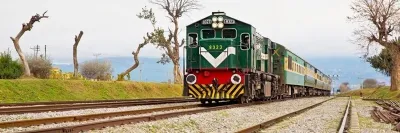
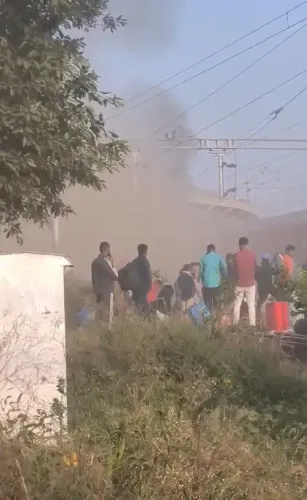
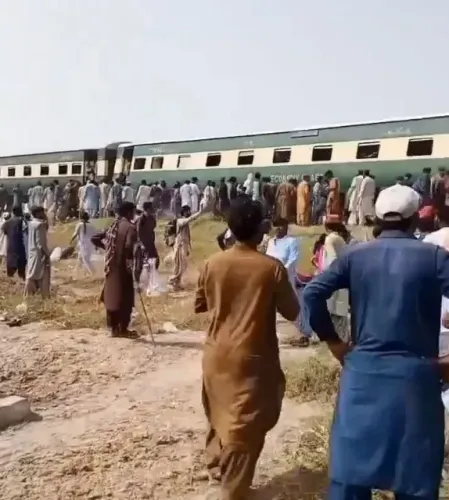
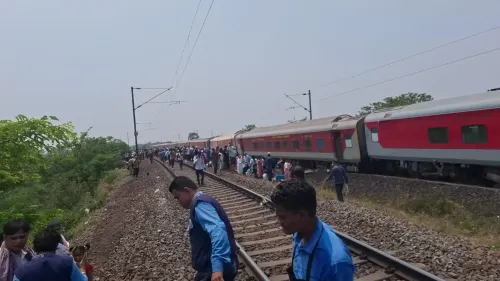
Concerns Mount Over Pakistan Train Safety Post Shalimar Express Mishap

Synopsis
The Shalimar Express incident has exposed alarming safety issues within Pakistan Railways, with an internal report revealing a staggering percentage of defective coaches. As accountability comes under scrutiny, this incident raises crucial questions about the systemic failures that led to the disaster.
Key Takeaways
60% of Shalimar Express coaches had major defects.
10 out of 18 coaches reported serious technical issues.
Concerns about operational failures and safety oversight.
Need for systemic reforms within Pakistan Railways.
Incident raises questions about public trust and safety standards.
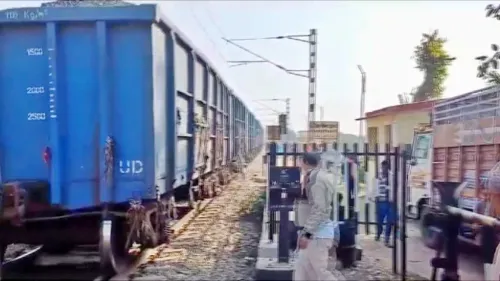
New Delhi, March 29 (NationPress) A recent incident involving the Shalimar Express has spotlighted significant concerns regarding railway safety and accountability in Pakistan. This raises the question of whether deeper systemic issues are being ignored.
An internal review at Sukkur revealed that almost 60 percent of the train’s coaches had serious defects, as reported by Business Recorder.
Of the 18 coaches, 10 exhibited major technical problems, with nine having non-functional brake cylinders.
These alarming findings indicate that the train was in a dangerous state prior to its departure.
Despite this, the preliminary response has been to place blame on the driver and his assistant for the accident, the report noted.
Officials cited operational errors such as disregarding a red signal and improper train control.
While these issues may have played a role in the accident, experts argue that they do not adequately explain why a train with faulty braking systems was permitted to operate, according to the report.
This case has brought to light concerns regarding the assignment of responsibility within Pakistan Railways.
Railway operations involve numerous layers, from maintenance teams to inspection bodies and train crews.
When essential systems like brakes are malfunctioning, the margin for error diminishes, complicating emergency responses for drivers.
The inspection report also referred to certain coaches as “dummy coaches,” suggesting that operating trains with defective equipment may not be an isolated issue.
This indicates potential shortcomings in maintenance practices and a tendency to prioritize operational continuity over safety, as mentioned in the report.
Train drivers have previously voiced similar concerns, stating they are being held accountable for accidents caused by faulty equipment.
The recent incident appears to confirm those worries and has reignited discussions about safety standards, the report added.
Furthermore, questions have arisen regarding the efficacy of oversight mechanisms, including inspections and regulatory assessments.
The fact that a train with such serious defects passed these checks implies either weak enforcement or a broader acceptance of risk within the system.
This incident occurs at a time when Pakistan Railways is striving to enhance its image and restore public confidence.
Safety failures like this could further tarnish its reputation and instill doubt among passengers, according to the report.
Point of View
It's clear that the Shalimar Express incident not only highlights the failures of individual responsibility but also points to systemic issues within Pakistan Railways. This accident serves as a wake-up call for necessary reforms to prioritize safety and accountability in the railway system.
NationPress
30 Sept 2026
Frequently Asked Questions
What was the cause of the Shalimar Express accident?
The accident was attributed to operational failures, including disregarding a red signal and improper train control, but concerns have been raised about the train's faulty braking systems.
How many coaches were found defective during the inspection?
An internal inspection revealed that nearly 60% of the train's coaches had serious defects, including 10 out of 18 coaches with major technical issues.
What are the implications of the inspection report?
The report suggests significant gaps in maintenance practices and raises questions about the accountability and oversight mechanisms within Pakistan Railways.
What does this incident mean for public trust in railways?
This incident could further damage Pakistan Railways' reputation, raising doubts among passengers about their safety.
What measures are being taken to improve railway safety?
Pakistan Railways is reportedly striving to enhance its image and restore public trust, but systemic reforms are necessary to ensure safety.