South Korea CPI rises 3.1% in August on fuel costs, mobile fee surge

Synopsis
South Korea's inflation rebounded to 3.1% in August — but strip out the SK Telecom data-breach base effect, and prices were actually up just 2.5%. The headline number is partly statistical noise. The real concern is core inflation hitting 3.4%, its highest since May 2023, signalling that price pressures are spreading well beyond fuel and phones.
Key Takeaways
South Korea's CPI rose 3.1 percent year-on-year in August , up from 2.8 percent in July, according to the Ministry of Data and Statistics .
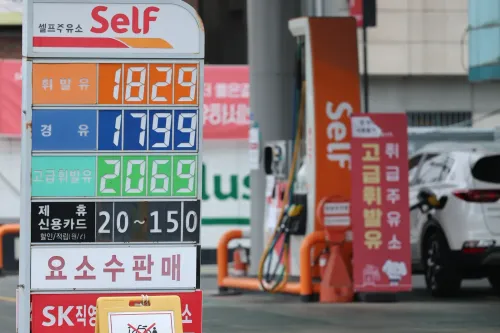
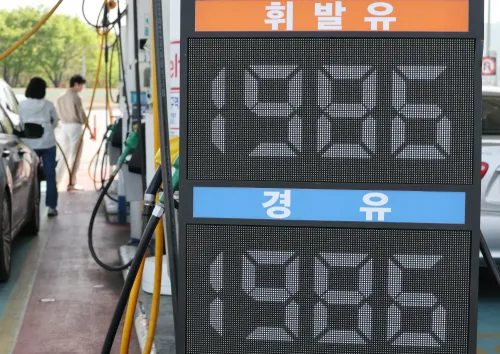
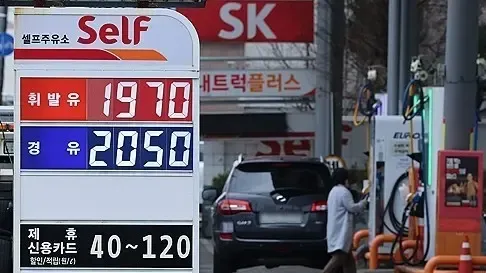
Oil prices climbed 14.2 percent on-year, with diesel up 19.6 percent and gasoline up 11.5 percent .
Mobile service charges surged 26.7 percent , inflated by a low base from SK Telecom Co.'s post-data-breach discounts in the prior year.
Excluding the mobile billing factor, August CPI was estimated at 2.5 percent , per the data ministry.
Core inflation rose 3.4 percent , its highest level since May 2023 .
Agricultural product prices fell 2.6 percent , providing partial relief amid broader price pressures.
South Korea's consumer price index (CPI) climbed 3.1 percent year-on-year in August, accelerating from a 2.8 percent rise recorded in July, according to data released on Wednesday by the Ministry of Data and Statistics. The uptick was driven primarily by elevated oil prices and a sharp spike in mobile phone service charges, the latter amplified by a low base effect from heavy telecom discounts offered the previous year.
Key Drivers Behind the Rise
Oil prices remained a central pressure point, climbing 14.2 percent on-year in August — though the pace eased from 15.6 percent in July. Diesel prices surged 19.6 percent, while gasoline prices rose 11.5 percent. Together, oil-related costs contributed 0.54 percentage points to the overall CPI increase, down slightly from 0.6 percentage points in July. South Korea relies heavily on energy imports, making global crude movements a persistent inflation variable.
Mobile phone service charges rose a striking 26.7 percent, reflecting a distorted base from a year earlier when SK Telecom Co. offered large-scale discounts following a data breach. The data ministry noted that, excluding this mobile billing factor, August CPI would have come in at an estimated 2.5 percent — well within a comfortable range.
Core Inflation at a Two-Year High
Core inflation — which strips out volatile food and energy prices — advanced 3.4 percent on-year in August, its highest reading since 3.8 percent posted in May 2023. This suggests underlying price pressures are broadening beyond energy and telecom. Industrial product prices rose 3.7 percent over the same period.
Services sector prices also climbed 3.7 percent, led by higher insurance premiums and overseas package tour prices, which rose 13.4 percent and 14.9 percent, respectively. Prices of electricity, gas, and water edged up 0.4 percent.
Food Prices Offer Partial Relief
Agricultural, livestock, and fishery product prices bucked the trend, falling 2.6 percent year-on-year. Lower prices of napa cabbage and tomatoes led the decline, which the data ministry attributed to government-led discount events and improved supply of major produce. Imported beef prices rose 6.2 percent, while domestically produced beef increased 3.3 percent.
Context and What to Watch
This is the second consecutive month that South Korea's headline CPI has held above the 3 percent mark — it also registered 3.1 percent in May and 3.2 percent in June before easing to 2.8 percent in July. The rebound raises questions about whether the disinflation trend has stalled. Policymakers at the Bank of Korea will be watching whether core inflation continues to climb, particularly as global energy prices remain volatile and the telecom base effect fades in coming months.
Point of View
Not a structural shift. But the 3.4% core inflation reading is harder to dismiss: it is a two-year high and suggests price momentum is spreading into services and insurance, categories that tend to be sticky. The Bank of Korea faces a familiar bind — global energy costs remain elevated, domestic service inflation is rising, yet aggressive tightening risks choking a fragile recovery. The real test will come once the telecom distortion washes out of the data: if headline CPI stays above 3%, the disinflation narrative unravels.
NationPress
2 Sept 2026
Frequently Asked Questions
Why did South Korea's inflation rise to 3.1% in August?
South Korea's CPI rose 3.1% year-on-year in August due to elevated oil prices — up 14.2% on-year — and a 26.7% surge in mobile phone service charges caused by a low base from SK Telecom's post-data-breach discounts the previous year. The increase accelerated from a 2.8% rise recorded in July.
What is the impact of the SK Telecom data breach on inflation?
SK Telecom offered large-scale discounts to customers following a data breach, creating an artificially low base in mobile service charges for that period. A year later, the reversal of those discounts pushed mobile service prices up 26.7%, inflating the headline CPI figure. The data ministry estimated that without this effect, August inflation would have been 2.5%.
What is South Korea's core inflation rate for August?
Core inflation — excluding volatile food and energy prices — rose 3.4% year-on-year in August, the highest level since 3.8% recorded in May 2023. This signals that price pressures are broadening beyond energy and telecom into services and industrial goods.
How did food prices perform in August?
Agricultural, livestock, and fishery product prices fell 2.6% year-on-year in August, led by lower prices of napa cabbage and tomatoes. The government attributed the decline to discount events and increased supply of key produce, offering partial relief amid broader inflationary pressures.
Which sectors saw the steepest price increases in South Korea in August?
Industrial products rose 3.7% and services sector prices climbed 3.7% year-on-year. Within services, overseas package tour prices jumped 14.9% and insurance premiums rose 13.4%. Diesel prices led fuel increases at 19.6%, followed by gasoline at 11.5%.