Commercial vehicle growth to moderate on fuel, raw material costs: Report

Synopsis
India's commercial vehicle engine is sputtering — not stalling. PL Capital flags fuel and raw-material costs as near-term drags, with MHCVs subdued even as LCVs and tractors hold up. The bigger shift: EVs grabbed 6.4% of PV sales in May, up from 4% in FY26, as pump prices quietly rewrite buyer math.
Key Takeaways
PL Capital report on 3 June flagged near-term moderation in commercial vehicle growth on fuel and raw-material costs.
Passenger vehicles grew nearly 20 per cent in May 2026; two-wheelers posted stable growth.
MHCVs saw subdued growth, while LCVs continued strong momentum.
EVs hit 6.4 per cent of PV sales in May vs 4 per cent in FY26; electric two-wheelers at 8.9 per cent .
FADA data showed record 26,11,317 units retailed in April, up 12.94 per cent .
India's commercial vehicle industry is likely to see moderated growth in the short to medium term, weighed down by elevated fuel and raw-material prices, according to a report by PL Capital released on 3 June. Despite the near-term headwinds, original equipment manufacturers (OEMs) remain optimistic about long-term structural drivers, including replacement demand and sustained infrastructure spending.
May 2026 dispatch snapshot
Auto dispatches in May 2026 showed sustained volume growth across most segments, even as a few sub-segments moderated. Passenger vehicles reported growth of nearly 20 per cent, while two-wheelers posted stable numbers as most OEMs ramped up capacity to meet retail demand and offset labour shortages and supply-chain disruptions.
A split picture in commercial vehicles
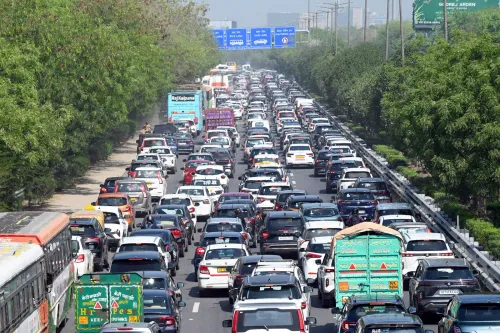
The commercial vehicle segment delivered mixed performance. Medium and Heavy Commercial Vehicles (MHCVs) registered subdued growth, while Light Commercial Vehicles (LCVs) continued to ride strong momentum, the report noted. Tractors maintained a robust trajectory, supported by adequate reservoir levels and resilient rural demand — though monsoon progression and input cost inflation remain key monitorables.
EVs gain share as fuel bills rise
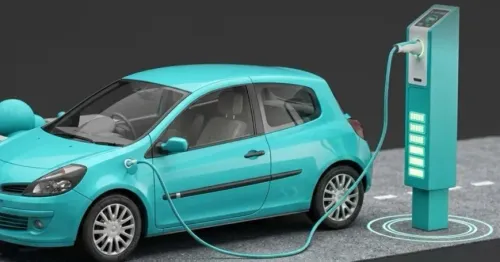
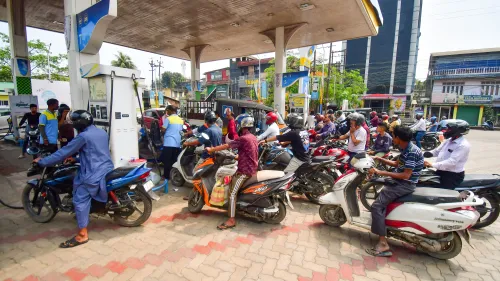
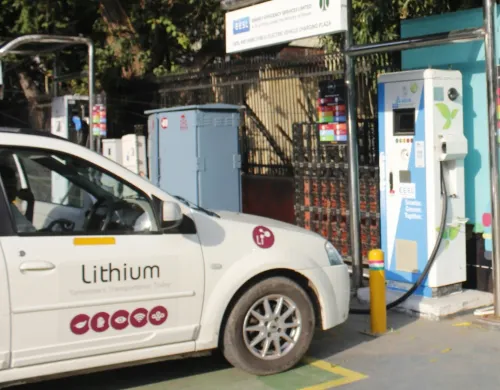
A separate report flagged a sharper pivot to electric vehicles (EVs) in May, as higher fuel prices steered more buyers toward battery-powered alternatives. EV sales reached 6.4 per cent of passenger vehicle sales, compared with 4 per cent in FY26, while electric two-wheelers accounted for 8.9 per cent of sales, up from around 6.5 per cent a year earlier.
Industry-wide momentum
The Society of Indian Automobile Manufacturers (SIAM) had earlier reported that domestic passenger vehicle dispatches to dealers rose 25.4 per cent year-on-year to 4,37,312 units in April, with two-wheeler sales at 18,72,691 units, up 28.4 per cent. The broader passenger vehicle outlook remains positive, though growth is expected to moderate going ahead.
Retail data from the Federation of Automobile Dealers Associations (FADA) showed the domestic auto retail industry opened FY27 on an exceptionally strong note, with a record 26,11,317 units sold in April — a 12.94 per cent rise. The coming quarters will test whether the wholesale-retail gap narrows or widens, especially if cost pressures persist on the CV side.
Point of View
And the moderation signal here is worth reading carefully. MHCV softness alongside LCV strength suggests freight and last-mile demand is holding, while heavy industrial movement is hesitating — a classic mid-cycle wobble, not a downturn. The more structural story is the EV share jump: a 240-basis-point gain in PV penetration in a single year is not a fuel-price blip, it is a behavioural shift. If raw-material costs stay elevated, the ICE-to-EV transition timeline may compress faster than OEM capex plans assume.
NationPress
16 Sept 2026
Frequently Asked Questions
Why is commercial vehicle growth expected to moderate?
PL Capital's report attributes the expected moderation to elevated fuel and raw-material prices, which are squeezing operating economics in the short to medium term. OEMs still see long-term tailwinds from replacement demand and infrastructure spending.
How did auto segments perform in May 2026?
Passenger vehicles grew nearly 20 per cent and two-wheelers posted stable growth, while commercial vehicles were mixed — MHCVs subdued and LCVs strong. Tractors continued on a robust growth trajectory backed by rural demand.
How much has EV share grown in passenger vehicles?
EV sales reached 6.4 per cent of passenger vehicle sales in May, up from 4 per cent in FY26. Electric two-wheelers also rose to 8.9 per cent of sales from around 6.5 per cent a year earlier.
What did FADA's April retail data show?
FADA data showed the domestic auto retail industry retailed a record 26,11,317 units in April, marking a 12.94 per cent year-on-year growth. It set an exceptionally strong opening note for FY27.
What are the key risks to the auto sector outlook?
The main risks flagged are elevated fuel and raw-material costs, monsoon progression affecting rural demand, and input cost inflation. These will determine whether the current momentum sustains or softens in coming quarters.