DBT transfers ₹50 lakh crore directly to citizens, saves ₹4.31 lakh crore in leakages

Synopsis
India's DBT programme has quietly become one of the world's largest direct-transfer systems — ₹50 lakh crore disbursed, ₹4.31 lakh crore in leakages stopped, and a Financial Inclusion Index that has climbed from 53.9 to 67 since 2018. The numbers signal a structural shift, not just a policy milestone.
Key Takeaways
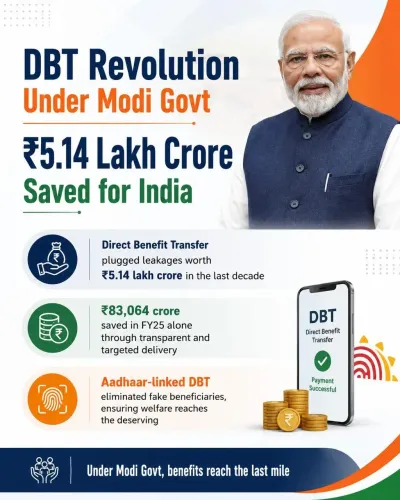
India's Direct Benefit Transfer (DBT) programme has transferred more than ₹50 lakh crore directly into beneficiary accounts.
Leakages worth over ₹4.31 lakh crore have been prevented through the DBT framework, according to the Ministry of Finance .
India's Financial Inclusion Index rose from 53.9 in 2018 to 67 in 2026 , reflecting deeper access to credit, insurance, savings, and digital payments.
The government announced these figures on 8 June 2026 via a post on social media platform X.
India's digital public infrastructure is increasingly being recognised globally as a model for inclusive development.
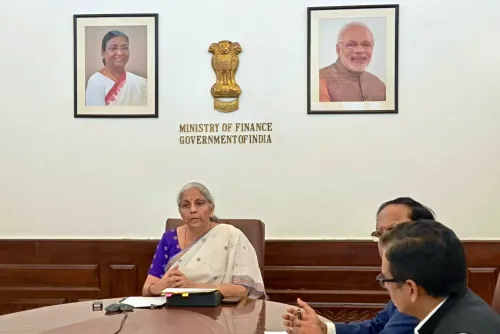
India's Direct Benefit Transfer (DBT) programme has crossed a landmark milestone, with more than ₹50 lakh crore transferred directly into beneficiary accounts and leakages worth over ₹4.31 lakh crore prevented, the government announced on Monday, 8 June. The Ministry of Finance credited the system with fundamentally reshaping welfare delivery by eliminating intermediaries and ensuring benefits reach intended recipients without delay or diversion.
Scale of the Transformation
The DBT framework has moved welfare payments away from paper-based, multi-layered disbursement chains toward direct account-to-account transfers. According to the government, the sheer volume of transfers and the quantum of leakages plugged reflect a structural overhaul in how subsidies and welfare payments are administered across the country.
'Direct Benefit Transfer changed how welfare reaches people. More than ₹50 lakh crore has been transferred directly into beneficiary accounts while leakages worth over ₹4.31 lakh crore have been prevented,' the Ministry of Finance stated in its post on social media platform X.
Financial Inclusion: Beyond Bank Accounts
The government also highlighted a broader shift in India's financial inclusion narrative. Inclusion, it noted, is no longer defined by the mere opening of bank accounts but by deeper access to credit, insurance, savings, and digital payments across the population.
India's Financial Inclusion Index has risen from 53.9 in 2018 to 67 in 2026, according to government data — a gain of over 13 points in eight years. The ministry attributed this improvement to technology-driven platforms that have integrated citizens more deeply into the formal financial system.
'The global narrative around India's inclusion story has changed. Financial inclusion in India is no longer about opening bank accounts alone. The Financial Inclusion Index has risen from 53.9 in 2018 to 67 in 2026, reflecting deeper access to credit, insurance, savings and digital payments,' the ministry added.
India's Digital Public Infrastructure Goes Global
The government further noted that India's digital public infrastructure — once viewed primarily through the lens of low banking penetration — is now being recognised globally as a model for inclusive development. The DBT architecture, underpinned by Aadhaar-linked accounts and the Jan Dhan network, has been cited by international bodies as a replicable framework for emerging economies.
This comes amid growing global interest in India's digital stack, with several countries reportedly studying the DBT and UPI models for adoption. Notably, the ₹50 lakh crore figure represents one of the largest direct-transfer programmes in the world by value.
What This Means for Citizens
For ordinary beneficiaries, the shift has meant faster receipt of subsidies — from cooking gas and fertiliser support to scholarship payments and pension disbursements — with fewer points of failure and reduced scope for diversion. The government argues that the ₹4.31 lakh crore in prevented leakages represents real savings that have been redirected toward scheme beneficiaries rather than absorbed by administrative friction.
As the DBT ecosystem matures, the next phase is expected to focus on expanding coverage to new welfare categories and deepening last-mile digital access in underserved districts.
Point of View
But the more telling number is the ₹4.31 lakh crore in prevented leakages — that is the real dividend of removing intermediaries. Yet the government's own Financial Inclusion Index, while improved, still sits at 67 out of 100, a reminder that the last mile remains unfinished. The narrative shift from 'opening accounts' to 'deepening access' is welcome, but credit penetration and insurance uptake in rural India remain structurally thin. The DBT architecture has proved the plumbing works; the harder task is ensuring the water actually reaches the most parched households.
NationPress
27 Sept 2026
Frequently Asked Questions
What is Direct Benefit Transfer (DBT) and how does it work?
Direct Benefit Transfer is a government mechanism that routes welfare payments — subsidies, pensions, scholarships, and more — directly into the bank accounts of beneficiaries, bypassing intermediaries. It relies on Aadhaar-linked accounts and the Jan Dhan network to ensure funds reach intended recipients without diversion.
How much has been transferred through DBT so far?
More than ₹50 lakh crore has been transferred directly into beneficiary accounts under the DBT programme, according to the Ministry of Finance's announcement on 8 June 2026. This makes it one of the largest direct-transfer programmes in the world by value.
How much in leakages has DBT prevented?
The government says DBT has prevented leakages worth over ₹4.31 lakh crore. These are funds that, under the older disbursement system, would have been lost to administrative friction, diversion, or ghost beneficiaries.
What is India's Financial Inclusion Index and how has it changed?
The Financial Inclusion Index is a composite measure of access to and usage of financial services — including credit, insurance, savings, and digital payments. It rose from 53.9 in 2018 to 67 in 2026, indicating steady progress in integrating citizens into the formal financial system.
Why is India's DBT model drawing global attention?
India's DBT architecture, backed by Aadhaar and UPI, has demonstrated at scale that large welfare transfers can be made efficiently and with minimal leakage. Several countries are reportedly studying the model for adoption, and international bodies have cited it as a replicable framework for emerging economies.