CM Dhami: Balance Between Development and Environment is Essential
Synopsis
Uttarakhand Chief Minister Pushkar Singh Dhami has underscored the need for balance between development and environmental protection — a recurring flashpoint in the Himalayan state where infrastructure expansion and ecological fragility are in constant tension.
Key Takeaways
CM Pushkar Singh Dhami declared that balance between development and the environment is essential, in a statement posted by the Chief Minister's Office of Uttarakhand on September 27, 2026 .
Uttarakhand's economy depends on both infrastructure-driven growth and a tourism and agriculture sector that relies on Himalayan ecological health.
The state has faced repeated debates over hydropower projects, road-widening schemes, and eco-tourism guidelines in ecologically sensitive zones.
Dhami has led the Uttarakhand government since 2021 , consistently framing development through a sustainability lens amid national climate frameworks.
Policy watchers will scrutinise upcoming state budget allocations and project clearances to see if the stated balance translates into concrete decisions.
In a state where every new road carved through a ridge and every dam raised on a river triggers fierce debate, Uttarakhand Chief Minister Pushkar Singh Dhami has put the tension at the centre of his public message — calling balance between development and environmental protection not a luxury, but a necessity.
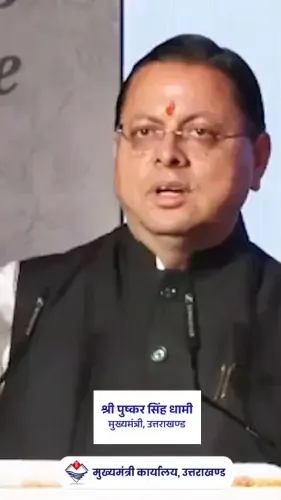
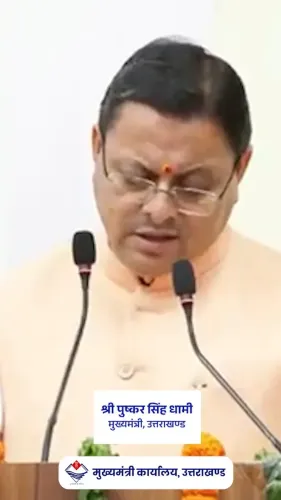
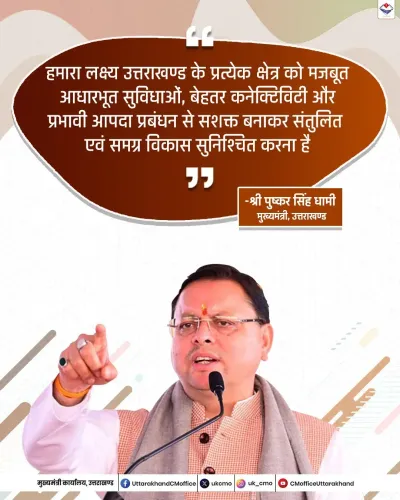
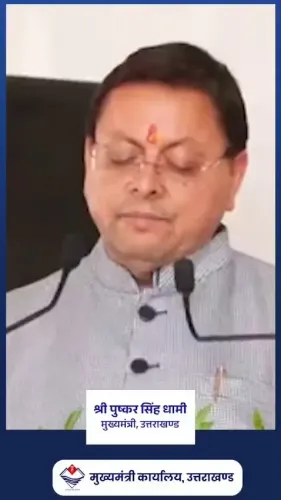
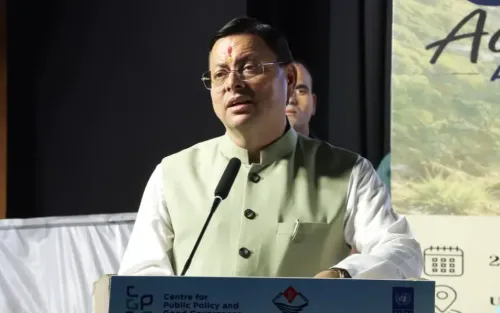
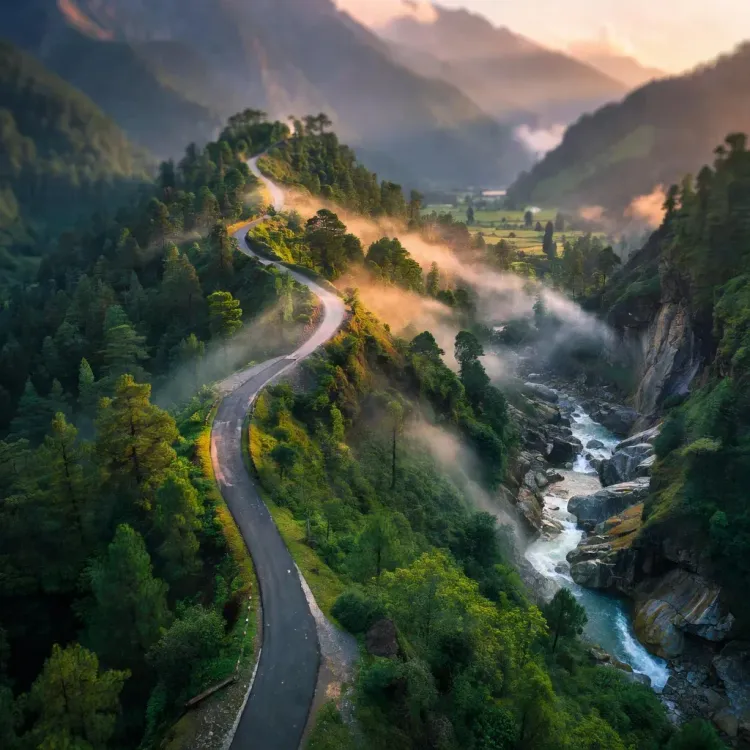
The Chief Minister's Office of Uttarakhand shared the statement on Sunday, September 27, 2026, alongside two images, with CM Dhami declaring: 'Vikas aur paryavaran ke beech mein santulan zaroori hai' — 'Balance between development and the environment is essential.' Short, declarative, and aimed squarely at one of the most stubborn policy dilemmas facing India's Himalayan states.
Why Uttarakhand Cannot Afford to Pick a Side
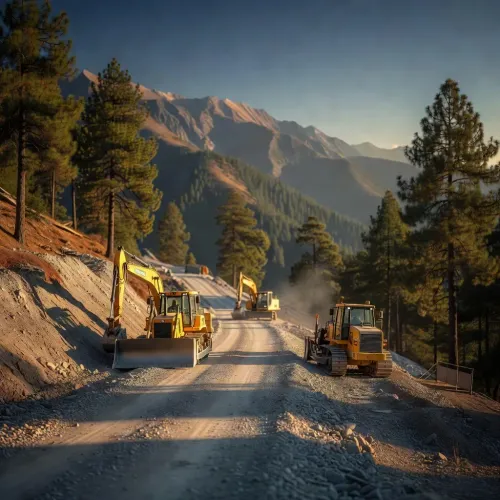
Uttarakhand sits at the sharpest end of this contradiction. The state's economy runs on two engines that pull in opposite directions: infrastructure expansion — roads, hydropower, urban growth — and a tourism and agriculture sector that lives or dies by the health of its rivers, forests, and peaks. Aggressive construction has repeatedly collided with Himalayan geology, with landslides and flash floods reminding residents and policymakers alike that the mountains have their own terms.
At the same time, demands for connectivity, power, and economic opportunity from a largely rural population are real and urgent. The state government, under Dhami's leadership since 2021, has sought to walk this line, framing development projects through the language of sustainability even as critics and conservationists scrutinise every clearance granted in ecologically sensitive zones.
A Recurring Theme Inside a Larger National Debate
Dhami's statement fits neatly into a pattern that stretches across Himalayan state governments and into national climate and disaster-risk frameworks. Uttarakhand has been at the centre of debates over hydropower projects, eco-tourism guidelines, and road-widening schemes — each drawing sharp responses from environmental groups and local communities whose livelihoods are downstream, sometimes literally, from policy decisions made in Dehradun.
India's broader commitment to renewable energy and green infrastructure has given state-level governments fresh political vocabulary to invoke environmental responsibility while still pushing development. CM Dhami's framing does exactly that — asserting neither development nor conservation alone, but their coexistence as the governing principle.
The proof, as always, will be in the budget lines and project approvals that follow. Observers and residents alike will be watching whether state allocations for eco-tourism, forest conservation, and disaster-resilient infrastructure match the rhetoric — or whether the balance tips, as it has before, under the weight of political and economic pressures.
Point of View
Where ecological disasters have repeatedly exposed the costs of unchecked infrastructure expansion, the rhetoric of 'balance' carries genuine resonance with voters and conservationists alike. The real test will come when specific project clearances or budget priorities force a concrete choice between the two. For now, the statement keeps all options open while occupying the ideological centre of one of India's most consequential governance debates.
NationPress
27 Sept 2026
Frequently Asked Questions
What did Uttarakhand CM Pushkar Singh Dhami say about development and environment?
CM Dhami stated that balance between development and environmental protection is essential, a message shared by the Chief Minister's Office of Uttarakhand on September 27, 2026.
Why is the development versus environment debate important in Uttarakhand?
Uttarakhand is a Himalayan state with fragile ecology where infrastructure projects like roads and hydropower dams frequently clash with conservation needs, disaster risks, and a tourism economy dependent on natural landscapes.
What is Pushkar Singh Dhami's policy stance on environment?
Dhami, who has been Uttarakhand's Chief Minister since 2021, has consistently framed development projects through a sustainability lens, invoking the need to protect Himalayan biodiversity while pursuing economic growth.
What are the key environmental concerns in Uttarakhand?
Key concerns include landslides and flash floods triggered by construction in geologically sensitive areas, threats to river ecosystems from hydropower projects, and pressure on forests and wildlife from rapid urbanisation and tourism.
How does Uttarakhand balance infrastructure development and ecological protection?
The state government has promoted eco-tourism guidelines and disaster-resilient infrastructure while granting clearances for road and hydropower projects — a balance that remains contested among conservationists, local communities, and developers.