PM Modi Highlights DBT and Digital Platforms in Welfare Delivery
Synopsis
Prime Minister Narendra Modi on June 8, 2026, highlighted how Direct Benefit Transfer and digital platforms have reduced leakages and improved transparent welfare delivery for India's poor, reinforcing the government's digital-first governance approach.
Key Takeaways
PM Modi credited Direct Benefit Transfer (DBT) and digital platforms with delivering welfare support to the poor directly and transparently.
DBT was piloted in 2013 and scaled nationally post- 2014 using mandatory Aadhaar seeding to eliminate ghost beneficiaries.
The JAM Trinity — Jan Dhan , Aadhaar , and mobile — forms the structural backbone of India's direct-transfer architecture.
The PAHAL LPG subsidy scheme was among the first major DBT rollouts, later expanded to food, fertiliser, and scholarship programmes.
Reduced leakage and improved efficiency are the government's stated outcomes, with further DBT integration expected in upcoming Union Budgets .
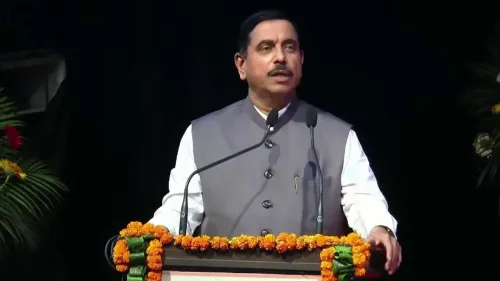
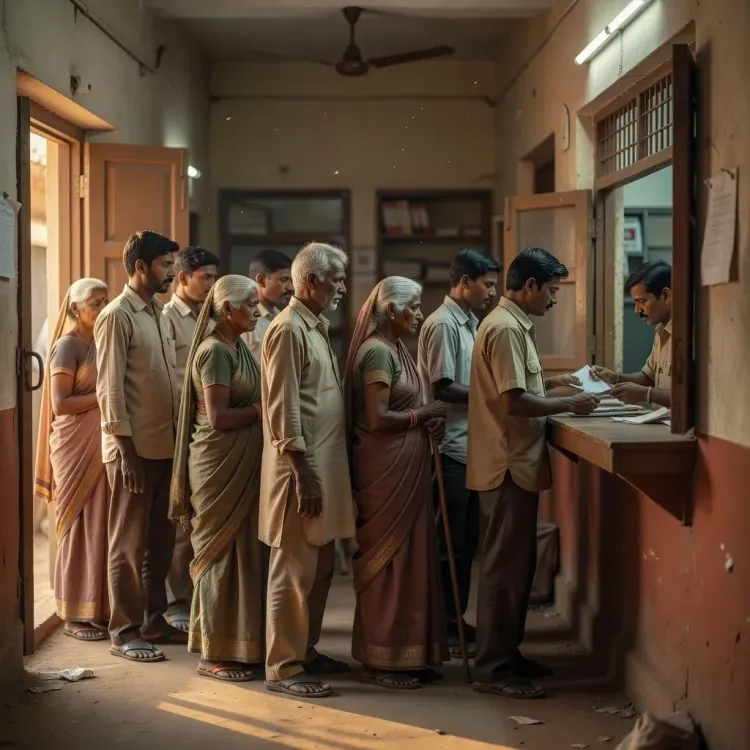
Prime Minister Narendra Modi on Monday, June 8, 2026, highlighted the transformative role of technology in improving welfare delivery for India's poor, citing Direct Benefit Transfer (DBT) and digital platforms as key drivers of transparency and efficiency in government support systems.
Context
In his post, PM Modi stated: 'It is also gladdening that technology has played a vital role in ensuring a better quality of life for the poor. Through Direct Benefit Transfer and digital platforms, support is reaching people directly and transparently. This has reduced leakages, improved efficiency.'
The remarks underscore a consistent theme in the BJP-led government's governance narrative — that digital infrastructure, rather than intermediary channels, is the most reliable route to last-mile welfare delivery.
Policy Backdrop
Direct Benefit Transfer was piloted as early as 2013 and was scaled nationally after 2014, with mandatory Aadhaar seeding enabling precise identification of beneficiaries. The JAM Trinity — Jan Dhan bank accounts, Aadhaar biometric IDs, and mobile phones — was formally articulated in the 2014–15 Economic Survey as the structural backbone for leak-proof transfers.
The PAHAL scheme, which extended DBT to LPG subsidies nationwide in 2015, was followed by its expansion across food, fertiliser, and scholarship programmes. The broader Digital India programme, launched in 2015, provided the infrastructure layer — internet connectivity, e-governance portals, and digital payment rails — that made this scale of direct transfer operationally feasible.
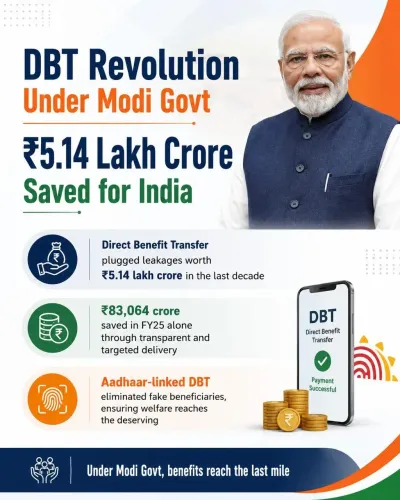
A central stated objective of this architecture has been the elimination of 'ghost beneficiaries' — fictitious or duplicate entries in subsidy rolls — and the reduction of diversion through middlemen, both of which were persistent problems under older paper-based systems.
Stakeholders and Impact
The primary beneficiaries of DBT-linked schemes are low-income households across rural and urban India, who receive transfers ranging from cooking gas subsidies and PM-KISAN farm income support to scholarships and MGNREGS wage payments directly into bank accounts. Reduced leakage translates into greater fiscal efficiency for the government, with savings potentially redirected toward expanding scheme coverage.
For welfare beneficiaries, the shift to digital platforms has meant faster disbursement and reduced dependence on local intermediaries, though digital access and banking penetration remain uneven across geographies. Civil society and parliamentary oversight bodies continue to monitor whether the efficiency gains are matched by commensurate improvements in actual household outcomes.
What's Next
The government's stated direction points toward deeper integration of DBT with new schemes expected to be announced in forthcoming Union Budgets, as well as potential parliamentary committee reviews of leakage-reduction data. The trajectory suggests that digital-first welfare delivery will remain a centrepiece of India's social policy architecture, with technology platforms continuing to expand their role in citizen-facing governance.
Point of View
The statement positions digital delivery as both a policy achievement and a political differentiator against older, intermediary-heavy systems. The emphasis on 'reduced leakages' is a recurring rhetorical anchor that connects fiscal prudence with pro-poor intent, a combination the government has consistently deployed to defend its social spending record. Whether efficiency gains have translated proportionally into improved household welfare outcomes remains a subject of ongoing policy debate.
NationPress
23 Oct 2026
Frequently Asked Questions
What is Direct Benefit Transfer in India?
Direct Benefit Transfer (DBT) is a government mechanism that routes subsidies and welfare payments directly into beneficiaries' Aadhaar-linked bank accounts, bypassing intermediaries to reduce leakage and ensure transparent delivery.
How has DBT reduced leakages in welfare schemes?
By linking transfers to Aadhaar biometric IDs and Jan Dhan bank accounts, DBT eliminates ghost beneficiaries and duplicate entries, ensuring funds reach only verified recipients without diversion through middlemen.
What is the JAM Trinity and how does it relate to DBT?
The JAM Trinity refers to Jan Dhan bank accounts, Aadhaar IDs, and mobile phones. Together they form the infrastructure backbone that makes large-scale, leak-proof Direct Benefit Transfers operationally feasible across India.
Which schemes use Direct Benefit Transfer in India?
DBT covers a wide range of schemes including LPG subsidies under PAHAL, farm income support under PM-KISAN, MGNREGS wage payments, food subsidies, fertiliser support, and various scholarship programmes.
What did PM Modi say about technology and welfare delivery?
PM Modi stated on June 8, 2026, that technology has played a vital role in improving quality of life for the poor, with Direct Benefit Transfer and digital platforms delivering support directly, transparently, and with reduced leakages.