Delhi traders flag INDIA bloc rally disruption during Diwali season
Synopsis
Delhi's largest trader federation has put the INDIA bloc rally on notice — not politically, but economically. Held at Ramlila Maidan during peak Diwali trading, the event disrupted footfall, supply chains, and out-of-state buyer visits, with the DVM warning that consumer confidence and market reputation can take far longer to recover than the rally lasted.
Key Takeaways
The Delhi Vyapar Mahasangh (DVM) formally flagged economic disruption caused by the INDIA bloc rally at Ramlila Maidan on 2 November 2026 .
The rally fell during the peak Diwali festive trading season, impacting footfall, goods movement, and small trader visits from other states.
The DVM warned of a long-term risk: customers shifting to online platforms or alternative trading hubs.
The federation acknowledged a positive outcome — wider public attention on Delhi's wholesale markets as a national supply-chain backbone.
DVM urged authorities to consult Delhi's business calendar and festive seasons before scheduling large-scale political events.
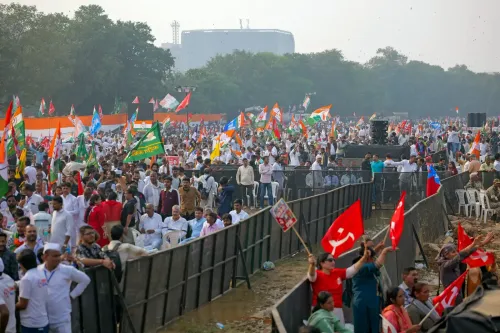
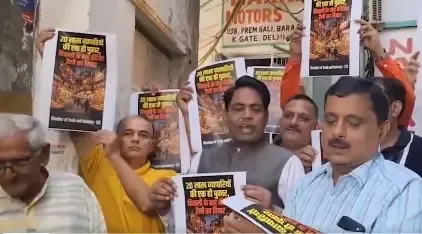
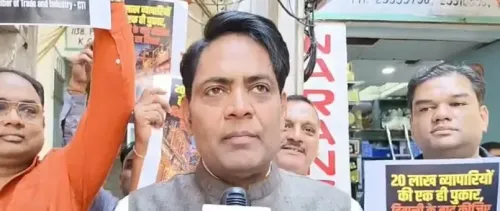
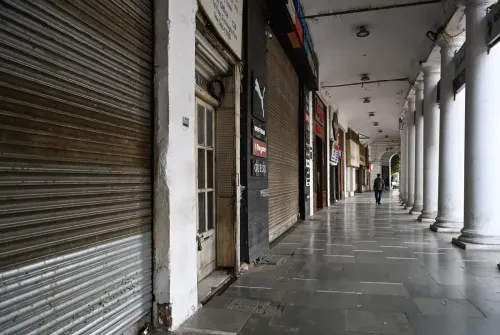
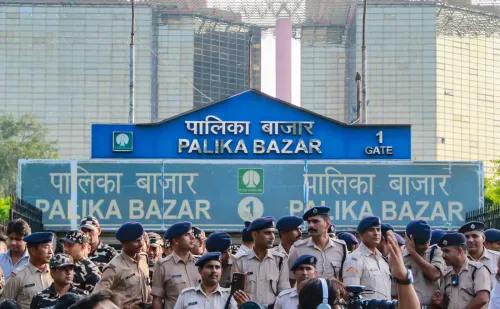
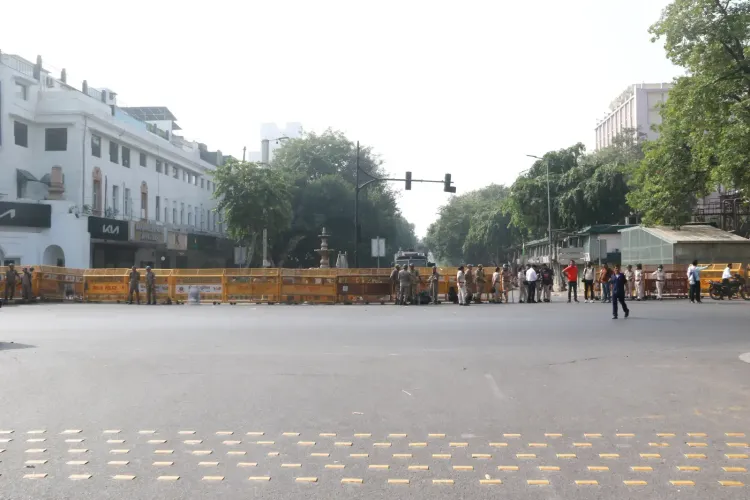
The Delhi Vyapar Mahasangh (DVM) on Monday, 2 November 2026, formally flagged economic concerns stemming from the INDIA bloc rally held at Ramlila Maidan in the national capital, saying the event disrupted customer footfall, goods movement, and commercial activity during a critical phase of the Diwali festive trading season.
Key Concerns Raised by DVM
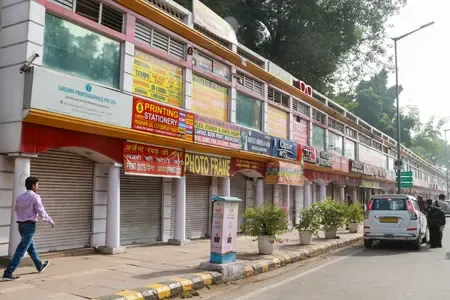
The trade federation, which represents a broad cross-section of Delhi's business community, said normal operations in key wholesale markets were impacted at one of the busiest points in the annual commercial calendar. According to the DVM, purchasing activities and business plans of small traders travelling to Delhi from other states were thrown off schedule, while the incomes of shopkeepers, employees, workers, transport operators, and their families also came under pressure.
The federation further noted that Delhi's wholesale markets serve as a lifeline not only for the capital's economy but also for millions of small traders, retailers, and supply-chain-linked businesses across the country. Any disruption, it argued, carries implications well beyond Delhi's city limits.
Long-Term Commercial Risks Flagged
The DVM warned that the normal functioning and commercial image of several major markets in the city had suffered a setback. It also raised concern that customers could increasingly migrate to online platforms or alternative trading hubs — a shift that, if sustained, could pose a long-term structural challenge for traditional brick-and-mortar businesses in the capital.
Notably, the federation did acknowledge a silver lining: the episode drew wider public attention to the critical role Delhi's wholesale markets play in the country's supply network, a point that had previously received insufficient policy focus.
What Traders Are Asking For
The DVM stopped short of political criticism, explicitly stating that it respects democratic rights and the right of every political party to peaceful expression. However, it urged authorities to factor in Delhi's business calendar, festive seasons, market movement, goods supply, and public convenience when deciding the timing and venues for large-scale political or public events.
The trade body argued that political events may last only a few hours or days, but their economic impact and effect on consumer confidence can linger far longer. It called for better coordination between commercial interests, public convenience, and traffic management in future event planning.
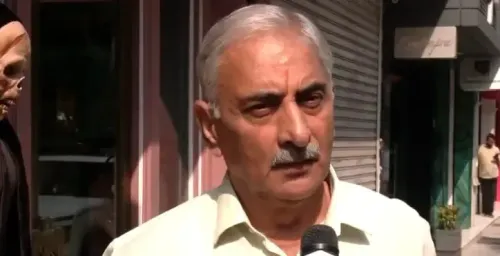
'Politics has its place, and trade and employment have theirs. A balance between the two is the hallmark of a strong, responsible and healthy democratic system,' the DVM said in its statement.
Broader Economic Context
The concerns come at a particularly sensitive time. The Diwali season is among the highest-revenue periods for India's retail and wholesale trade, with demand spikes across electronics, textiles, jewellery, and FMCG goods. A disruption during this window is considered disproportionately costly compared to other periods of the year. This is not the first time large political gatherings in Delhi have drawn pushback from trade associations, reflecting a recurring tension between the city's role as India's political stage and its status as a major commercial and logistics hub.
Point of View
But the economic indictment is pointed. What mainstream coverage tends to miss is the compounding effect: Diwali disruptions don't just shave one day's sales, they rupture restocking cycles and buyer trust that take weeks to rebuild. The larger issue is structural: Delhi functions simultaneously as the country's political amphitheatre and its most critical wholesale distribution node, and no framework currently reconciles these two roles. Until event planners are required to formally consult the city's commercial calendar, this tension will recur every festive season.
NationPress
2 Nov 2026
Frequently Asked Questions
What did the Delhi Vyapar Mahasangh say about the INDIA bloc rally?
The Delhi Vyapar Mahasangh (DVM) said the INDIA bloc rally at Ramlila Maidan disrupted customer footfall, goods movement, and commercial activity during the Diwali festive season. It flagged income losses for shopkeepers, workers, and transport operators, and warned of longer-term risks such as customers shifting to online platforms.
Why is the timing of the rally significant for traders?
The Diwali festive season is the highest-revenue period of the year for India's retail and wholesale trade sectors. A disruption during this window is considered disproportionately costly, as it affects not just daily sales but also restocking cycles and buyer visits from other states.
Does the DVM oppose political rallies or protests?
The DVM explicitly stated it respects democratic rights and the right of every political party to peaceful expression. Its objection is specifically to the timing and venue, and it has urged authorities to coordinate with the business community while planning large-scale events.
What long-term risk does the DVM highlight?
The federation warned that customers could increasingly shift to online platforms or alternative trading hubs if Delhi's markets face repeated disruptions. It also cautioned that the commercial image and consumer confidence of major markets can take much longer to recover than the event itself lasts.
What does the DVM want authorities to do differently?
The DVM has urged event planners and authorities to consult Delhi's business calendar, festive seasons, market movement schedules, and public convenience when deciding the dates and venues of large-scale political or public events, calling for better coordination between commercial and political activity.