DoT disconnects 88 lakh suspicious mobile connections using AI to curb cyber fraud
Synopsis
India's telecom regulator has quietly built a multi-layered AI-driven system that has now severed over 1.38 crore suspicious mobile connections — the backbone of most phone-based financial fraud. The disclosure in Rajya Sabha reveals a coordination architecture spanning DoT, MHA, SEBI, and CERT-In that goes well beyond simple SIM blocking.
Key Takeaways
DoT's ASTR tool identified and disconnected 88 lakh suspicious mobile connections after they failed reverification.
An additional 50.90 lakh connections were cut as of 15 July 2026 based on 11.18 lakh public reports via the Chakshu facility on Sanchar Saathi .
The Digital Intelligence Platform (DIP) enables real-time data sharing between DoT , I4C (MHA) , and over 50 SEBI-regulated entities .
Chandra Sekhar Pemmasani disclosed these measures in the Rajya Sabha on 23 July 2026 .
The National Cyber Coordination Centre (NCCC) , run by CERT-In , monitors cyberspace and shares threat intelligence with state and central agencies.
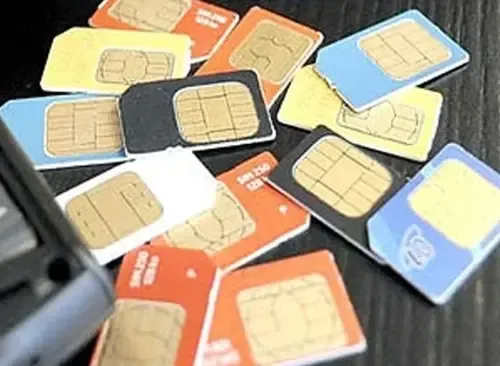
The Department of Telecommunications (DoT) has identified and severed 88 lakh suspicious mobile connections using an artificial intelligence and big data analytics tool, as part of a coordinated government push to combat rising cyber fraud across India. The action was disclosed in the Rajya Sabha on 23 July 2026 by Union Minister of State for Communications and Rural Development Dr. Chandra Sekhar Pemmasani.
The ASTR Tool and How It Works
DoT developed an AI-driven system called ASTR (Artificial Intelligence and Facial Recognition powered Solution for Telecom SIM Subscriber Verification) to flag connections linked to suspicious activity. The 88 lakh connections identified by ASTR were subsequently disconnected after failing mandatory reverification checks, according to the minister's statement in the upper house.
The tool uses big data analytics to cross-reference subscriber patterns, making it capable of detecting bulk or fraudulent SIM registrations at scale — a key enabler of phone-based financial fraud in India.
Chakshu Facility: Crowd-Sourced Fraud Reporting
Separately, the Chakshu facility on the Sanchar Saathi portal — which allows citizens to report suspected fraud communications — has driven the disconnection of an additional 50.90 lakh mobile connections as of 15 July 2026. These actions were based on 11.18 lakh crowd-sourced reports submitted by the public through the platform.
Notably, DoT clarified that it uses this crowd-sourced data for aggregate analysis rather than acting on individual submissions, reducing the risk of misuse or false targeting.
Digital Intelligence Platform and Inter-Agency Coordination
DoT has also built the Digital Intelligence Platform (DIP), designed for bi-directional information sharing among government and financial sector stakeholders. The platform connects DoT with the Indian Cyber Crime Coordination Centre (I4C) under the Ministry of Home Affairs (MHA) — the nodal body for cybercrime under the Government of India (Allocation of Business) Rules, 1961.
The Securities and Exchange Board of India (SEBI) has issued advisories to its regulated entities to onboard onto DIP. More than 50 SEBI-regulated entities are now active on the platform following dedicated onboarding sessions conducted by DoT.
NCCC and Broader Cyber Threat Monitoring
The National Cyber Coordination Centre (NCCC), implemented by CERT-In, continuously monitors cyberspace for emerging threats and shares intelligence with state governments, central agencies, and sector-specific stakeholders for swift action.
This multi-layered architecture — spanning AI-led SIM verification, citizen reporting, inter-agency data sharing, and real-time threat monitoring — reflects the Centre's attempt to build a systemic response to what has become one of India's fastest-growing categories of financial crime. With over 1.38 crore mobile connections now cut across both ASTR and Chakshu channels, the scale of the problem is as significant as the response.
Point of View
But the more consequential development is the inter-agency architecture DoT has quietly assembled. Linking telecom data with SEBI-regulated entities via DIP signals a recognition that cyber fraud is now as much a financial-sector problem as a telecom one. The critical gap, however, is accountability: there is no public framework for measuring false positives — legitimate users wrongly disconnected — or for tracking whether fraud rates have actually declined. Cutting connections is visible; reducing fraud losses is the harder metric, and it has not yet been disclosed.
NationPress
22 Oct 2026
Frequently Asked Questions
What is the ASTR tool used by DoT to fight cyber fraud?
ASTR is an AI and facial recognition-powered solution developed by the Department of Telecommunications to verify telecom SIM subscribers and flag suspicious mobile connections. It uses big data analytics to identify bulk or fraudulent SIM registrations, and connections that fail reverification are disconnected.
How many mobile connections has DoT disconnected to curb cyber fraud?
DoT has disconnected a total of over 1.38 crore connections across two channels: 88 lakh identified by the ASTR tool after failing reverification, and 50.90 lakh more cut as of 15 July 2026 based on crowd-sourced fraud reports submitted through the Chakshu facility on Sanchar Saathi.
What is the Chakshu facility on Sanchar Saathi?
Chakshu is a citizen-facing reporting tool on the Sanchar Saathi portal that allows the public to flag suspected fraud communications. DoT uses the aggregated data for analysis rather than acting on individual complaints, and it has generated 11.18 lakh reports that contributed to 50.90 lakh disconnections.
What is the Digital Intelligence Platform (DIP) and who uses it?
DIP is a DoT-built platform for bi-directional information sharing between telecom authorities, the Indian Cyber Crime Coordination Centre under MHA, and financial sector regulators. More than 50 SEBI-regulated entities have been onboarded onto DIP following dedicated sessions conducted by DoT.
Which ministry is responsible for cybercrime in India?
Under the Government of India (Allocation of Business) Rules, 1961, cybercrime falls under the Ministry of Home Affairs (MHA). DoT's role is specifically to prevent misuse of telecom resources, coordinating with MHA's I4C through platforms like DIP.