How is the synergy between education, innovation, and skilling vital for agricultural progress?
Synopsis
Discover how India's government emphasizes the importance of harmonizing education, innovation, and skill development to revolutionize agriculture. This article explores the initiatives driving growth and sustainability in the sector, vital for the livelihood of millions.
Key Takeaways
Education is essential for developing skilled farmers.
Innovation drives agricultural productivity.
Programs like STRY and PMKVY enhance vocational training .
Modern technologies like IoT and AI are transforming farming.
Collaboration between sectors is key for sustainable growth.
New Delhi, Nov 4 (NationPress) The enhancement of collaboration among education, innovation, and skill development is vital for the advancement of agriculture in India, as stated by the government on Tuesday.
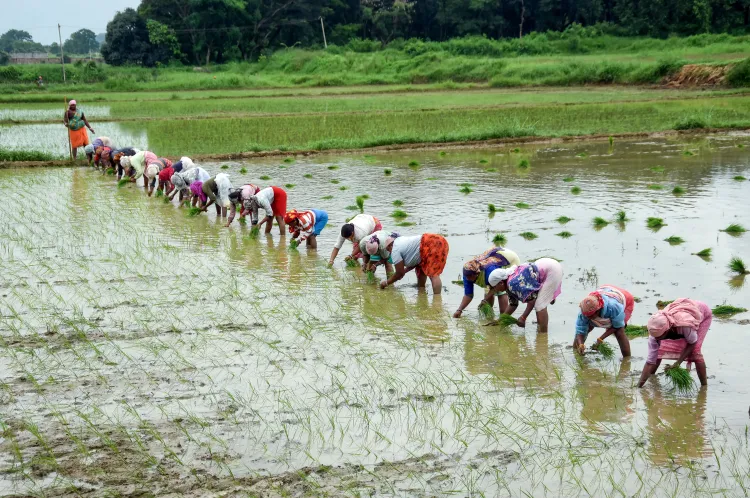
Agriculture serves as the primary source of income for nearly half of the Indian population and accounts for approximately 18 percent of the country’s GDP.
To improve productivity, lower expenses, and meet national objectives, it’s essential to develop human resources. This can be accomplished through higher education, research, and practical training, which the government highlighted as the "cornerstones of the sector."
These cornerstones establish the "institutional and scientific foundation" required to sustain the targeted 5 percent growth rate in agriculture and fulfill the national vision of 'Viksit Krishi aur Samruddh Kisan' (Developed Agriculture and Prosperous Farmer) -- the central philosophy of 'Viksit Bharat'.
The government emphasized that today's agricultural education and training framework demonstrates a well-coordinated strategy that links education, research, technology, and skill enhancement at the field level.
Recognizing contemporary farming demands, the government has prioritized capacity building to assist farmers in adapting to technological advancements, climatic fluctuations, and market changes.
Programs like the Skill Training of Rural Youth (STRY), Sub-Mission on Agricultural Mechanization (SMAM), Pradhan Mantri Kaushal Vikas Yojana (PMKVY), and initiatives through Krishi Vigyan Kendras (KVKs) and Agricultural Technology Management Agency (ATMA) are empowering farmers with practical knowledge and vocational skills for sustainable agricultural practices.
The government noted that the ongoing focus on quality education, accreditation reforms, and farmer-centric training is helping to narrow the divide between scientific research and real-world applications.
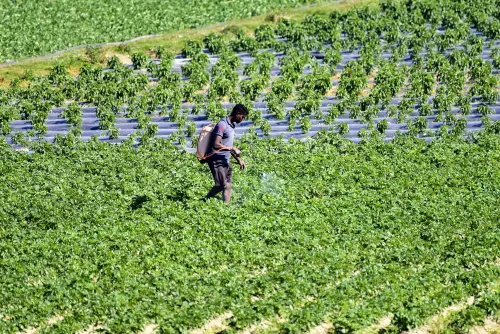
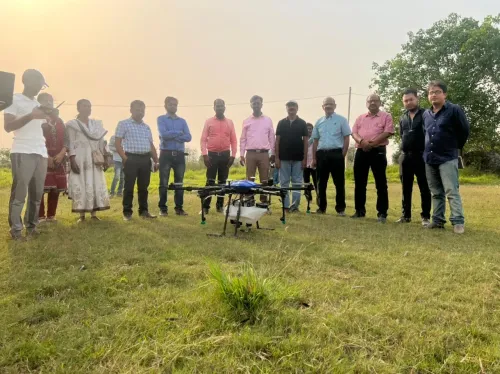
Furthermore, the adoption of technologies such as the Internet of Things (IoT), Artificial Intelligence (AI), and precision farming tools is catalyzing a major transition towards modern and data-driven agriculture.
With initiatives like the Agricultural Technology Management Agency (ATMA), Skill Training of Rural Youth (STRY), and Sub-Mission on Agricultural Mechanization (SMAM), farmers and rural youth are acquiring crucial technical and entrepreneurial skills, promoting employment and self-sufficiency in rural areas.
These collective efforts are leading to increased productivity, improved incomes, and the sustainable use of resources. As India strives for self-sufficiency in food production and a robust rural economy, reinforcing this synergy among education, innovation, and skilling will remain pivotal to the nation’s agricultural advancement, according to the government.
Point of View
It is evident that the government's commitment to enhancing the synergy between education, innovation, and skilling is a strategic approach that aligns with the broader national interest. This initiative not only aims to boost agricultural productivity but also addresses the pressing need for sustainable practices that can secure the livelihoods of millions of farmers across the country.
NationPress
21 Sept 2026
Frequently Asked Questions
What is the importance of education in agriculture?
Education in agriculture is crucial as it equips farmers with modern knowledge and skills, enhancing productivity and sustainability.
How does technology impact agriculture in India?
Technology impacts agriculture by introducing innovative practices that improve efficiency, yield, and resource management.
What role does the government play in agricultural development?
The government plays a vital role by implementing policies and programs that support education, innovation, and skill development in agriculture.