El Niño crisis: Andhra CM Naidu orders price control steps, eyes 15% GSDP growth
Synopsis
Even as El Niño drains Krishna River reservoirs and threatens food prices, Andhra Pradesh is posting 10.7% quarterly growth — outpacing the national rate for two straight years. CM Naidu's dual mandate: shield citizens from price shocks while keeping a 15% GSDP target alive. The stress test of that ambition is just beginning.
Key Takeaways
Chandrababu Naidu on 11 August ordered officials to prevent El Niño-driven price rises and protect the state's 15 per cent GSDP growth target .
Deficient rainfall has left Srisailam and Nagarjuna Sagar reservoirs below full capacity; the state has diverted Godavari floodwaters to the Krishna Delta .
Andhra Pradesh recorded 10.7 per cent growth in Q2 2025-26 , with GSDP rising from 6.5 per cent in 2023-24 to 9.9 per cent in 2025-26.
General exports reached ₹16,322 crore (+10.5%); STPI exports surged 32.2 per cent ; GST collections hit ₹13,282 crore (+21%).
Mega project investments worth ₹2.88 lakh crore grew 75.4 per cent ; MSME investments of ₹60,000 crore rose 73.6 per cent .
A dedicated committee is to be formed to monitor prices and submit a contingency plan covering water availability and agricultural value addition.
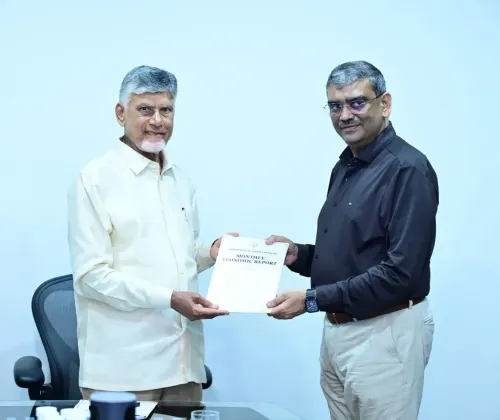
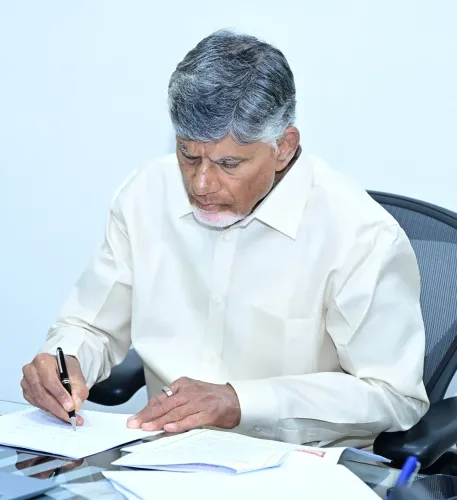
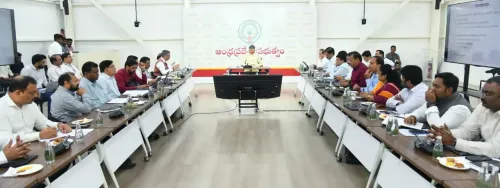
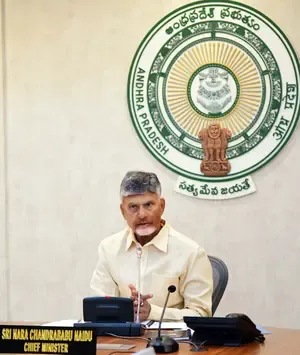
Andhra Pradesh Chief Minister N. Chandrababu Naidu on Tuesday, 11 August directed state officials to ensure that citizens do not bear any additional price burden arising from the El Niño crisis, even as the state battles deficient rainfall and declining groundwater levels. The directives came during a presentation of the July 2026 monthly economic report at the Camp Office in Amaravati.
Key Directives from the CM
Naidu called for the formation of a dedicated committee to examine the price-rise challenge and tasked Planning Department officials with formulating contingency plans covering critical areas such as water availability and value addition in agriculture and allied sectors. He stressed that every plan must deliver tangible, measurable results and contribute directly to lifting the state's growth rate.
The Chief Minister also underscored the need to protect export momentum, warning that international market shipments must not be adversely affected by the climate crisis. He asked for granular progress reports at the district, constituency, and mandal levels to enable tighter monitoring.
El Niño Impact on Water Resources
Andhra Pradesh is experiencing deficient rainfall due to El Niño, with inadequate inflows into the Krishna River leaving reservoirs such as Srisailam and Nagarjuna Sagar below full capacity. To compensate, the state has already diverted floodwaters from the Godavari to supply the Krishna Delta. With groundwater levels also declining, Naidu directed inter-departmental coordination to prevent any erosion in economic output.
This comes amid a broader national concern over El Niño's impact on the kharif sowing season and food inflation — a pattern that has historically pressured state finances through higher subsidy outflows and lower agricultural tax receipts.
Andhra Pradesh's Economic Performance
Despite the climate headwind, Andhra Pradesh recorded 10.7 per cent growth in the second quarter of 2025-26, according to the July 2026 economic report. The state's Gross State Domestic Product (GSDP) growth rate climbed from 6.5 per cent in 2023-24 to 9.9 per cent in 2025-26 — outpacing the national growth rate for the past two consecutive years.
Sectoral performance was broad-based: agriculture grew 13.5 per cent, industry expanded 10.6 per cent, and services rose 9.9 per cent in Q2 of 2025-26. In animal husbandry, meat production grew 9.6 per cent and egg production by 5.1 per cent. General exports reached ₹16,322 crore, registering 10.5 per cent growth, while Software Technology Parks of India (STPI) exports surged 32.2 per cent. Commercial vehicle registrations jumped 51.6 per cent.
Investment and Revenue Highlights
Technology integration in government operations contributed to a 21 per cent rise in GST collections, which reached ₹13,282 crore. Investment inflows remained strong: grounding of mega projects worth ₹2.88 lakh crore grew 75.4 per cent, while MSME investments of approximately ₹60,000 crore registered 73.6 per cent growth. Tax and non-tax revenues also posted significant gains.
Naidu directed all government departments to adopt effective resource management and called for technology integration across departments on the lines of the Commercial Taxes Department, which has already demonstrated measurable efficiency gains.
What Comes Next
The state government is expected to constitute the price-monitoring committee in the coming days, with a contingency plan to be submitted to the Chief Minister's office. Officials have been asked to ensure that Andhra Pradesh's ambitious 15 per cent GSDP growth target remains on track despite the El Niño disruption. How effectively the state balances climate-linked agricultural stress with its investment-led growth agenda will be closely watched in the quarters ahead.
Point of View
Which posted 13.5%, is the most climate-exposed. The committee Naidu has proposed will matter only if it has teeth — price-monitoring bodies in Indian states have a long history of producing reports that arrive after the inflation spike, not before. The real question is whether the state's technology-integration push, which delivered a 21% GST collection jump, can be turned toward real-time commodity price surveillance at the mandal level. If it can, Andhra Pradesh has a genuine early-warning advantage. If not, the 15% GSDP target could become the next headline number that looks good until the harvest data comes in.
NationPress
11 Aug 2026
Frequently Asked Questions
Why is El Niño a concern for Andhra Pradesh in 2026?
El Niño has caused deficient rainfall across Andhra Pradesh, reducing inflows into the Krishna River and leaving major reservoirs like Srisailam and Nagarjuna Sagar below full capacity. Declining groundwater levels are compounding the stress on agriculture and water supply, raising risks of food price inflation and slower rural economic activity.
What steps has CM Naidu directed to control prices?
Chief Minister N. Chandrababu Naidu has directed the formation of a committee to examine the price-rise challenge and asked Planning Department officials to prepare a contingency plan covering water availability and agricultural value addition. He also called for inter-departmental coordination to prevent any decline in economic output.
How is Andhra Pradesh's economy performing despite El Niño?
Andhra Pradesh recorded 10.7 per cent growth in Q2 of 2025-26, with GSDP rising from 6.5 per cent in 2023-24 to 9.9 per cent in 2025-26 — above the national growth rate for two consecutive years. Agriculture grew 13.5 per cent, industry 10.6 per cent, and services 9.9 per cent in the same quarter.
What is Andhra Pradesh's GSDP growth target and is it achievable?
The state has set a 15 per cent GSDP growth target for the current financial year. CM Naidu has directed all departments to align plans toward this goal, though analysts note that El Niño-linked agricultural disruption and potential export slowdowns pose risks to achieving it.
How have investments and exports performed in Andhra Pradesh recently?
General exports reached ₹16,322 crore with 10.5 per cent growth, while STPI exports surged 32.2 per cent. Mega project investments worth ₹2.88 lakh crore grew 75.4 per cent, and MSME investments of around ₹60,000 crore registered 73.6 per cent growth, according to the July 2026 monthly economic report.