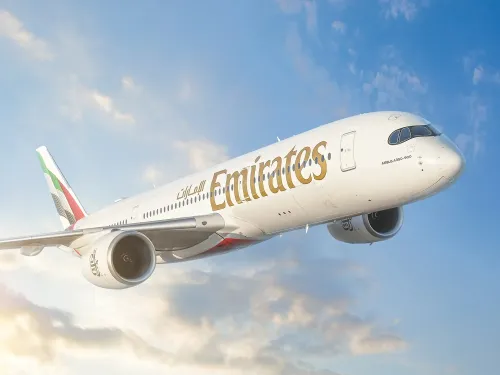
Limited Flights Resume from Dubai as Emirates and Etihad Take Action
Synopsis
UAE airlines Emirates and Etihad Airways are resuming limited flights from Dubai Airport following a partial operational restart after recent hostilities. Passengers are advised to wait for notification before heading to the airport. Stay updated for more flight information.
Key Takeaways
Emirates and Etihad Airways are resuming limited flights.
Passengers with prior bookings will be prioritized.
All other flights remain suspended until further updates.
Travelers should wait for confirmation from airlines before heading to the airport.
Ongoing monitoring of the situation is in effect.
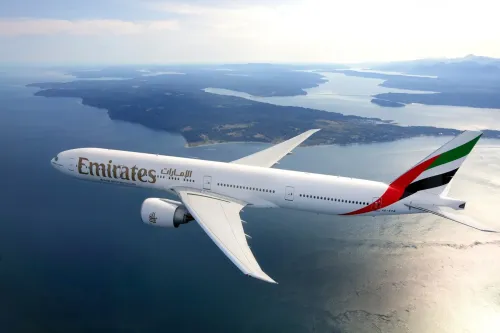
New Delhi, March 2 (NationPress) - UAE airlines Emirates and Etihad Airways announced on Monday their plans to resume a limited number of flights starting in the evening. This decision follows the confirmation from Dubai Airports about a partial resumption of operations after the airport had been shut down due to escalating tensions involving the US-Israel alliance and Iran.
Emirates stated that they will focus on customers with prior bookings as they begin to restart services gradually. The airline will reach out to passengers who have been rebooked on these limited flights directly. In their official statement, they advised, "Please refrain from going to the airport unless you receive a notification."
The Dubai-based airline clarified that all other flights would remain suspended until further notice, emphasizing their commitment to monitor the evolving situation and adjust their operational plans as needed. Updates will be made available on emirates.com and their official social media platforms. The airline expressed gratitude to customers for their understanding and highlighted the importance of passenger safety and security.
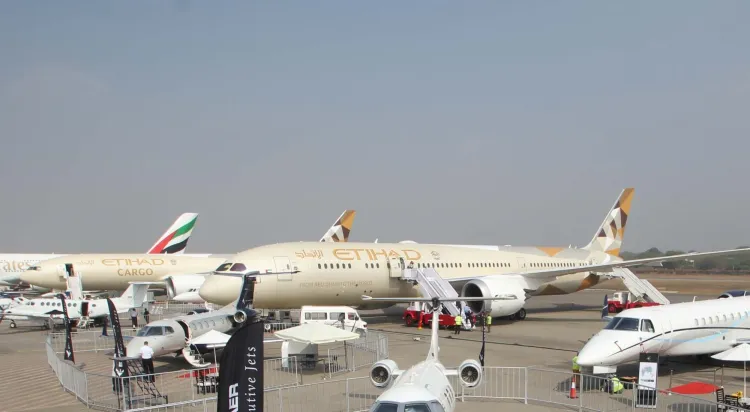
In parallel, Etihad will operate a limited number of repositioning, cargo, and repatriation flights, contingent upon strict operational and safety approvals by UAE authorities, as stated by the airline.
Currently, authorities have not provided a timeline for the complete restoration of normal flight operations.
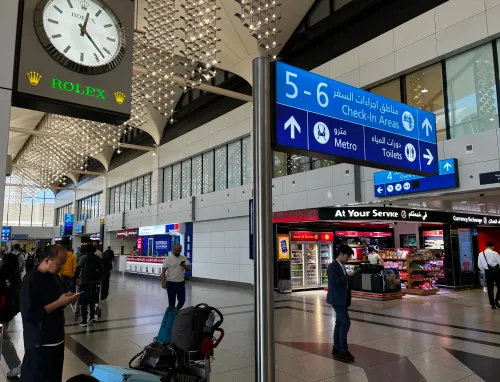
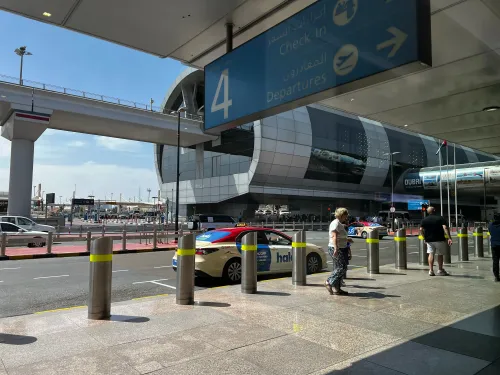
Dubai Airports indicated that a small number of flights would be allowed to operate from Dubai International (DXB) and Dubai World Central – Al Maktoum International (DWC) starting Sunday evening. However, the UAE’s General Civil Aviation Authority stated: "Exceptional flights are now taking place at UAE airports. Please do not head to the airport until your airline has confirmed flight details to ensure a smooth process for all passengers."
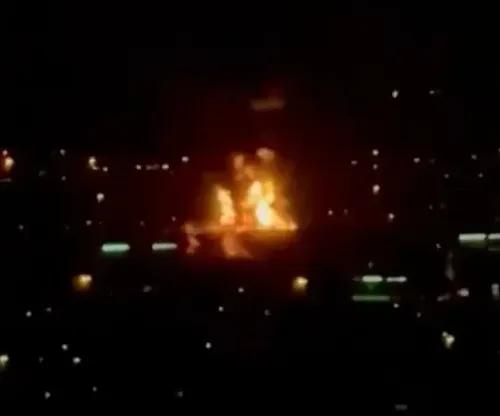
This partial reopening follows widespread airspace closures throughout the Gulf region attributed to missile and drone strikes connected to escalating conflict. Over the weekend, several Gulf airports reported damage as Iran launched a series of missiles and drones targeting US bases in the Gulf as a form of retaliatory action, which led airlines to ground operations, leaving thousands of passengers stranded in Dubai, Abu Dhabi, and Doha—vital transit points for global flights between the West and East.
Dubai International, recognized as the world’s busiest international airport, had suspended regular operations due to safety concerns. This closure disrupted global flight networks, as Emirates, Etihad Airways, and Qatar Airways utilize hub-and-spoke models to connect long-haul flights traveling between Asia, Europe, Africa, and the Americas via the Gulf.
Point of View
The decision by Emirates and Etihad to cautiously resume limited flights showcases a step toward normalcy. However, it is essential for travelers to remain vigilant and await updates from their airlines to navigate the current landscape effectively.
NationPress
22 Sept 2026
Frequently Asked Questions
What prompted Emirates and Etihad to resume flights?
Emirates and Etihad are resuming flights due to a partial reopening of Dubai Airports following recent hostilities in the region.
Are all flights operational?
No, only a limited number of flights are being resumed; all other flights remain suspended until further notice.
How will I know if my flight is operational?
Passengers will be contacted directly by the airlines regarding rebooked flights and should not go to the airport unless notified.
What should passengers do if their flight is not confirmed?
Passengers should refrain from heading to the airport until they receive confirmation from their airline.
What is the current situation at Dubai Airports?
Dubai Airports is allowing a small number of flights to operate, but full normal operations have not yet resumed.