Free annual health check-ups for workers 40+ launched under new Labour Codes
Synopsis
India's Labour Ministry has launched free annual health screenings for all workers aged 40 and above under the new Labour Codes — a move that extends ESIC's reach to hazardous-occupation workers and those in sub-10-employee establishments. With social security coverage jumping from 19% to 64% of the population in a decade, this initiative signals a structural shift in how India treats occupational welfare.
Key Takeaways
Labour Minister Dr Mansukh Mandaviya launched free annual health check-ups for workers aged 40 and above on 7 May 2025 under the new Labour Codes.
Treatment and medicines identified during screenings will be provided through ESIC facilities nationwide.
Social security coverage has expanded from 30 crore to 94 crore beneficiaries — from 19% to 64% — over the past decade.
ESIC coverage has grown from 7 crore to nearly 15 crore beneficiaries over the same period.
Maternity leave has been extended from 12 weeks to 26 weeks under the new Labour Codes.
Workers in hazardous occupations and establishments with fewer than 10 employees are now being brought under ESIC coverage.
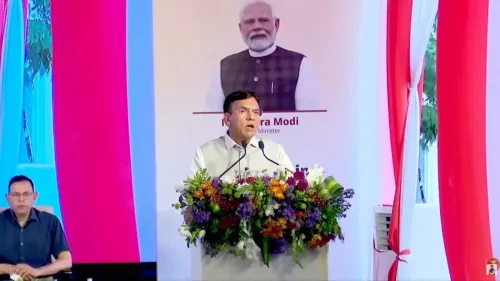
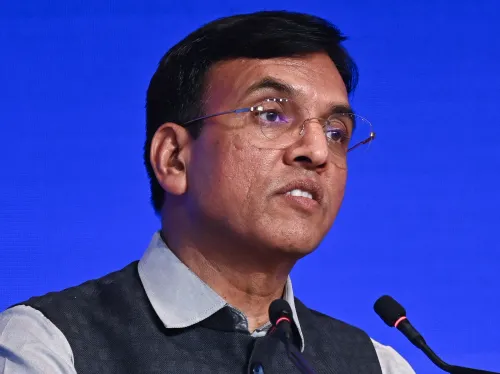
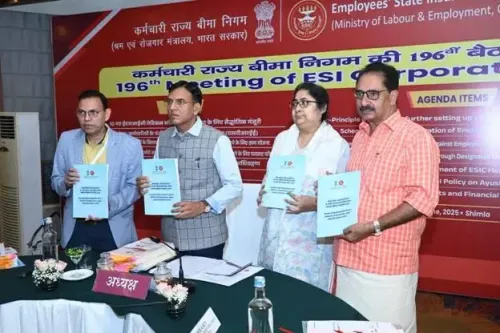
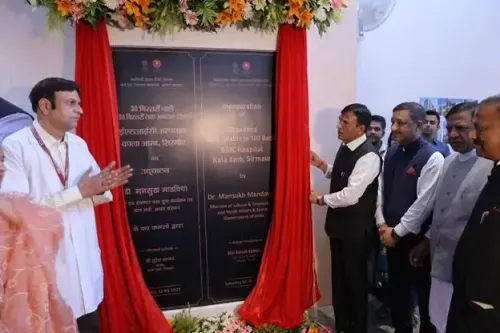
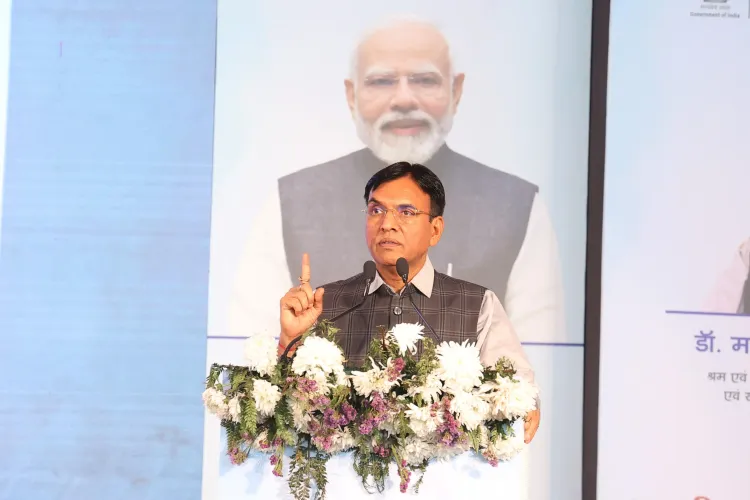
Labour Minister Dr Mansukh Mandaviya on Thursday, 7 May 2025, launched a nationwide annual health check-up initiative for all workers aged 40 and above under India's new Labour Codes, marking a significant step in expanding occupational healthcare and social security coverage for the country's workforce. The free screenings will be conducted every year across the country, with treatment and medicines identified during the camps to be provided through Employees' State Insurance Corporation (ESIC) facilities.
What the Initiative Covers
The annual health check-ups are available at no cost to all workers aged 40 years and above, with a focus on early detection of serious diseases. According to the minister, early screening can prevent conditions from progressing to critical stages. Treatment and medicines arising from these screenings will be channelled through existing ESIC hospitals and facilities nationwide.
The launch event was simultaneously observed across 11 other ESIC hospital locations across the country, signalling a coordinated, pan-India rollout from day one.
Social Security Coverage: A Decade of Expansion
Dr Mandaviya highlighted that social security coverage in India has expanded significantly — from nearly 30 crore beneficiaries a decade ago to approximately 94 crore today, a jump from 19% to 64% of the population. ESIC coverage alone has grown from around 7 crore beneficiaries to nearly 15 crore over the same period.
Workers engaged in hazardous occupations and employees working in establishments with fewer than 10 workers are now also being brought under ESIC coverage — a notable extension of the safety net to previously excluded segments of the workforce.
Key Labour Reforms Under the New Codes
The minister underscored several landmark provisions embedded in the four new Labour Codes. Equal wages for men and women workers have been enshrined in law. Maternity leave has been extended from 12 weeks to 26 weeks, and work-from-home provisions for women have been formally incorporated into the framework.
Dr Mandaviya attributed these reforms to Prime Minister Narendra Modi's stated commitment to ensuring dignity, welfare and social security for workers, adding that the government has worked over the last 12 years to empower what he described as
Point of View
But the harder question is quality — whether the newly enrolled workers can actually access care without long queues, understaffed hospitals, or geographic barriers. Launching health screenings across 11 ESIC locations simultaneously is a credible start, but India's informal workforce — the very demographic this scheme targets — is spread across hundreds of thousands of worksites, many far from any ESIC facility. The real test of this initiative is not the launch-day optics but the follow-through rate: how many workers screened in year one actually receive timely treatment. That number, not the coverage headline, will determine whether this becomes a genuine welfare milestone or another well-intentioned scheme that fades in implementation.
NationPress
24 Sept 2026
Frequently Asked Questions
What is the free annual health check-up scheme launched for workers?
It is a nationwide initiative launched on 7 May 2025 by Labour Minister Dr Mansukh Mandaviya under India's new Labour Codes, providing free annual health screenings to all workers aged 40 and above. Treatment and medicines identified during these camps will be provided through ESIC hospitals and facilities.
Who is eligible for the free health check-up under the new Labour Codes?
All workers aged 40 years and above are eligible for the free annual health check-ups. This includes workers in hazardous occupations and employees working in establishments with fewer than 10 workers, who are now being brought under ESIC coverage.
How has ESIC coverage changed over the past decade?
ESIC coverage has grown from around 7 crore beneficiaries a decade ago to nearly 15 crore beneficiaries today. Overall social security coverage in India has expanded from 30 crore to 94 crore people, rising from 19% to 64% of the population.
What other labour reforms have been introduced under the new Labour Codes?
The new Labour Codes include equal wages for men and women, an extension of maternity leave from 12 weeks to 26 weeks, and work-from-home provisions for women. Workers in hazardous occupations and small establishments are also now covered under ESIC.
Where will the health screenings take place?
The screenings will be conducted across ESIC hospitals and facilities nationwide. The launch event was simultaneously observed at 11 ESIC hospital locations across the country, indicating a pan-India rollout from the outset.