FSSAI proposes pesticide residue limits for tea: 20 ppm for Acetamiprid, 50 ppm for Imidacloprid
Synopsis
India's food safety regulator FSSAI has proposed stricter-than-US pesticide residue limits for tea — 20 ppm for Acetamiprid, well below Japan's 30 ppm and America's 50 ppm. Published in the Gazette on 16 October 2026, the draft amendment reflects a quiet but significant tightening of India's food safety architecture for one of its most exported agricultural commodities.
Key Takeaways
FSSAI has notified draft amendments proposing maximum residue limits (MRLs) for two pesticides in tea, published in the Gazette of India on 16 October 2026 .
Proposed MRL for Acetamiprid is 20 mg/kg — stricter than Japan (30 ppm) and the USA (50 ppm) .
Proposed MRL for Imidacloprid is 50 mg/kg , formulated with reference to international Codex standards.
Earlier FSSAI measures included the delisting of 13 pesticides identified as higher-toxicity compounds.
India's average pesticide use is less than 0.5 kg per hectare , well below the global average of 2.38 kg per hectare .
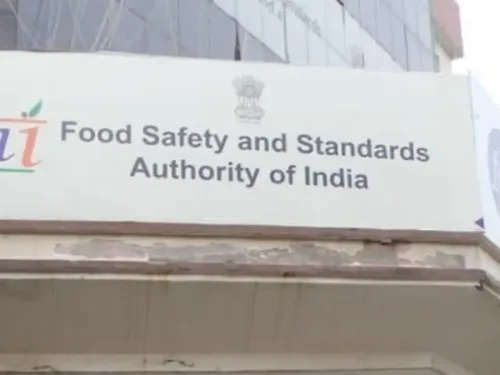
The Food Safety and Standards Authority of India (FSSAI) has notified draft amendments proposing maximum residue limits (MRLs) for two pesticides in tea — 20 mg/kg for Acetamiprid and 50 mg/kg for Imidacloprid — according to an official statement released on Saturday, 17 October 2026. The move signals a broader regulatory push to align India's food safety benchmarks with scientific assessments and international standards.
What the Draft Amendment Proposes
The draft Food Safety and Standards (Contaminants, Toxins and Residues) Amendment Regulations, 2026 was published in the Gazette of India on 16 October 2026. It sets out proposed MRLs to establish clear regulatory benchmarks that facilitate compliance, monitoring, and enforcement of food safety requirements across the tea supply chain.
The Ministry of Health and Family Welfare stated that the proposals reflect FSSAI's approach of reviewing pesticide residue standards in light of scientific data, relevant international practices, and the specific requirements of Indian agriculture.
How India's Proposed Limits Compare Internationally
The proposed MRL of 20 ppm for Acetamiprid in tea is notably stricter than the corresponding limits of 30 ppm in Japan and 50 ppm in the United States of America, according to the ministry statement. The proposed limit for Imidacloprid has been formulated with reference to international Codex standards, suggesting India is positioning its tea safety norms closer to globally harmonised benchmarks.
Maximum Residue Limits specify the maximum legally permitted concentration of pesticide residues in food and are established on the basis of scientific assessments, accounting for pesticide residue data, dietary exposure, and relevant safety considerations.
Earlier Regulatory Steps and the Broader Context
This draft amendment is part of a continuing regulatory effort. Earlier measures under FSSAI had already included the delisting of 13 pesticides identified as having higher toxicity — a step the ministry described as reflecting an ongoing emphasis on consumer protection and appropriate regulatory safeguards.
Notably, India's average pesticide use stands at less than 0.5 kg per hectare, significantly below the estimated global average of 2.38 kg per hectare, and lower than reported levels in countries such as Colombia, Brazil, and the United States of America. This comparatively low usage, according to the ministry, provides important context for India's agricultural practices and the calibration of its MRL standards.
Impact on Tea Industry and Consumers
The proposed standards are designed to provide a measurable regulatory basis for monitoring pesticide residues while also recognising the importance of effective pest management in agricultural production. For India's tea sector — one of the world's largest producers and exporters — clear MRL benchmarks are critical for both domestic consumer confidence and international trade compliance.
The draft is open for public and stakeholder review following its gazette notification. Final regulations, once adopted, would become the legally enforceable standard for pesticide residues in tea marketed and exported from India.
Point of View
FSSAI appears to be building a more coherent safety architecture, but the credibility of that architecture will hinge on whether testing infrastructure at origin points keeps pace with the new benchmarks.
NationPress
17 Oct 2026
Frequently Asked Questions
What are the proposed pesticide residue limits for tea under the FSSAI draft amendment?
FSSAI has proposed a maximum residue limit of 20 mg/kg for Acetamiprid and 50 mg/kg for Imidacloprid in tea. These limits were published in the Gazette of India on 16 October 2026 under the draft Food Safety and Standards (Contaminants, Toxins and Residues) Amendment Regulations, 2026.
How do India's proposed tea pesticide limits compare to international standards?
India's proposed Acetamiprid limit of 20 ppm is stricter than Japan's 30 ppm and the USA's 50 ppm. The proposed Imidacloprid limit has been formulated with reference to international Codex standards, according to the Ministry of Health and Family Welfare.
What is a Maximum Residue Limit (MRL) and why does it matter?
A Maximum Residue Limit is the maximum legally permitted concentration of a pesticide residue in a food commodity, established through scientific assessments of residue data, dietary exposure, and safety considerations. MRLs provide the regulatory basis for monitoring compliance and are critical for both consumer protection and international trade.
What earlier steps has FSSAI taken on pesticide regulation?
Prior to this draft amendment, FSSAI had already delisted 13 pesticides identified as having higher toxicity, as part of its continuing emphasis on consumer protection and regulatory safeguards. The new MRL proposals build on that framework.
How does India's overall pesticide use compare globally?
India uses less than 0.5 kg of pesticides per hectare on average, significantly below the global average of 2.38 kg per hectare and lower than countries such as Colombia, Brazil, and the United States, according to the Ministry of Health and Family Welfare.