G7 to release 100 million barrels of oil and diesel reserves amid price surge
Synopsis
With crude oil prices still elevated by the Iran conflict, the G7 has ordered a second major emergency reserve release — up to 100 million barrels over four months — after Trump threatened a diesel-export ban on Europe. Macron confirmed the IEA will coordinate the effort, with diesel in the crosshairs. This is the largest coordinated energy intervention since the March 400-million-barrel release.
Key Takeaways
The G7 and partners will release up to 100 million barrels of emergency oil and diesel stocks over the next four months .
The release will be coordinated by the IEA , confirmed by French President Emmanuel Macron on Friday .
The move follows an earlier IEA-coordinated release of 400 million barrels in March after the outbreak of the Iran war .
US President Donald Trump had threatened a diesel-export ban on Europe for slow delivery of pledged supplies.
European diesel prices and Brent crude futures fell following the announcement.
G7 members also committed to keeping fuel exports flowing and avoiding export restrictions.
The Group of Seven (G7) nations and their partners are set to release up to 100 million barrels of emergency oil and diesel stocks over the next four months, in a coordinated move to ease surging global fuel prices. The release will be managed through the International Energy Agency (IEA), French President Emmanuel Macron confirmed during a briefing on Friday, 3 October 2026.
What Was Announced
Macron, whose country currently holds the G7 presidency, said the intervention was specifically designed to trigger a fall in fuel prices, with a particular focus on tightening diesel supplies. European diesel prices and Brent crude futures declined following the announcement, reflecting market expectations that additional supply could ease pressure on energy markets.
A subsequent G7 statement indicated that the latest 100 million-barrel release could include some volumes that were pledged but not yet delivered under an earlier March initiative, when the IEA coordinated the release of 400 million barrels from strategic reserves following the outbreak of the Iran war.
The Role of US Pressure
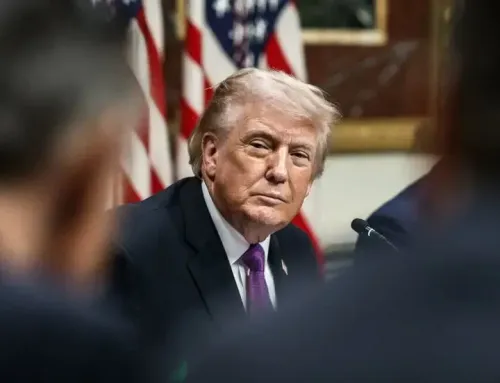
The decision came amid pressure from the administration of US President Donald Trump, which had raised the possibility of a diesel-export ban if European countries did not accelerate the release of additional supplies. Such a measure could have significantly strained Europe, which relies heavily on imported diesel to offset a shortfall in domestic refinery output.
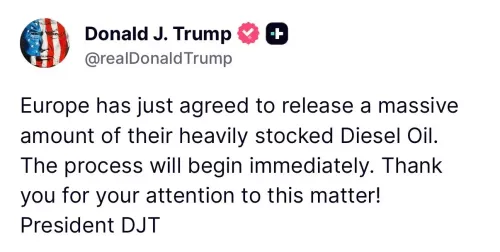
Trump had also previously criticised European partners for what he described as a slow pace in honouring pledges made under the March initiative. He welcomed the latest move in a social media post on Friday, saying Europe had agreed to release a large amount of diesel from its stocks and that the process would begin immediately.
Commitments Beyond Volumes
Macron confirmed that G7 members had agreed to release strategic reserves in previously discussed proportions, with diesel receiving particular attention. He added that the member countries had also committed to keeping fuel exports flowing and avoiding any export restrictions — a signal aimed at preventing a repeat of the supply disruptions seen during the early months of the Iran conflict.
Why Energy Markets Are Under Strain
The latest intervention reflects the sustained upward pressure that the Iran conflict continues to exert on crude oil prices, while placing an even greater strain on refined products such as diesel and gasoline. Diesel in particular has been at the centre of the current energy crunch, as European refineries have struggled to keep pace with demand amid disrupted supply chains.
This is the second major coordinated strategic reserve release since the conflict began, underscoring how severely the geopolitical disruption has affected global energy markets. With the four-month timeline running through early 2027, markets will be watching closely whether the volumes delivered match the commitments made.
Point of View
And Europe's quick compliance signals how exposed the continent still is. The real question is whether releasing strategic reserves addresses a supply problem or simply delays a reckoning with structurally constrained refinery capacity. If volumes pledged under the March initiative still haven't been fully delivered, credibility around the new 100-million-barrel commitment will be questioned by the markets the moment delivery timelines slip.
NationPress
2 Oct 2026
Frequently Asked Questions
Why is the G7 releasing 100 million barrels of oil and diesel?
The G7 is releasing up to 100 million barrels of emergency oil and diesel stocks to ease surging fuel prices driven by the ongoing Iran conflict. The release, coordinated by the IEA, comes after European diesel supplies came under severe strain and US President Trump threatened a diesel-export ban on Europe.
Who coordinated the G7 emergency oil release?
The release is being coordinated by the International Energy Agency (IEA), as confirmed by French President Emmanuel Macron, who holds the G7 presidency. Macron made the announcement during a briefing on Friday.
How does this compare to the previous IEA reserve release?
In March, the IEA coordinated a larger release of 400 million barrels from strategic reserves following the outbreak of the Iran war. The latest 100-million-barrel release may include some volumes pledged but not yet delivered under that earlier initiative, according to a G7 statement.
What role did President Trump play in this decision?
The Trump administration pressured European countries to accelerate reserve releases by raising the possibility of a diesel-export ban if they did not act. Trump welcomed the G7 decision in a social media post on Friday, saying Europe had agreed to release a large amount of diesel immediately.
What happens to fuel prices after this announcement?
European diesel prices and Brent crude futures fell following the announcement, reflecting market expectations that additional supplies will ease energy market pressure. Whether prices sustain a decline will depend on how quickly and fully the pledged volumes are delivered over the four-month window.