Is India Ready to Lead with Bio-Bitumen from Agricultural Waste?
Click to start listening
Synopsis
In a groundbreaking initiative, Union Minister Nitin Gadkari emphasizes the transformation of agricultural waste into bio-bitumen, positioning farmers as vital energy providers. This eco-friendly innovation aims to significantly reduce India's reliance on imported petroleum-based bitumen, promising substantial economic and environmental benefits.
Key Takeaways
- India is pioneering the production of bio-bitumen from agricultural waste.
- Farmers are becoming essential energy providers, contributing to sustainability.
- This initiative can significantly lower carbon emissions.
- It aims to replace a portion of imported bitumen.
- Successful pilot projects demonstrate its feasibility and environmental benefits.
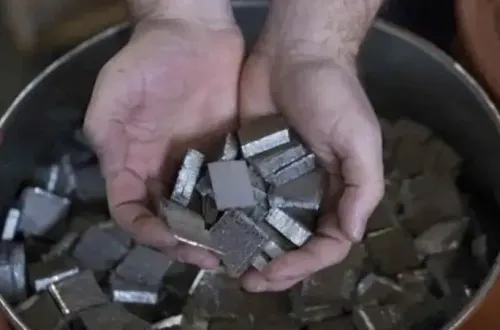
Vidisha, Jan 17 (NationPress) Union Minister for Road Transport and Highways Nitin Gadkari reiterated India's dedication to transforming agricultural waste into a valuable asset. He announced that the nation is progressing towards the production of bitumen derived from farm residues such as sugarcane bagasse.
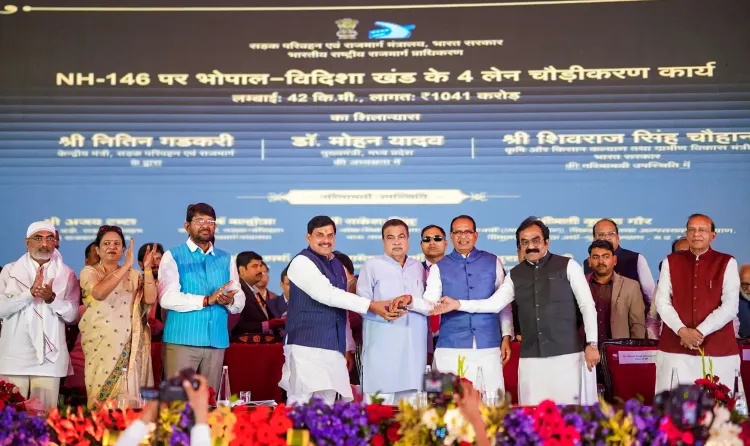
At an event in Madhya Pradesh’s Vidisha district, where he inaugurated several national highway projects exceeding Rs 4,400 crore, Gadkari underscored the changing role of farmers as not merely food providers but also as energy and material suppliers.
The Union Minister pointed out recent advancements, declaring that India has become the first country globally to produce bio-bitumen commercially—an environmentally friendly substitute for petroleum-based bitumen—thanks to innovations like pyrolysis technology developed by CSIR labs.
Locally, bitumen is referred to as “Damar.” This announcement follows a significant technology transfer event that took place in New Delhi on January 7, 2026, where agreements were established with various companies to enhance production.
“Fifteen companies have obtained patents from me to manufacture bitumen from agricultural waste such as cotton straw, bagasse, wheat straw, and other farm debris,” Gadkari said, linking this initiative to broader sustainability objectives.
He emphasized that farmers should be recognized as “energy providers,” mentioning initiatives like ethanol blending (now fueling vehicles across the country), potential hydrogen production from crops, and electricity generation from farm waste in areas like Vidisha. “Our farmers are energy providers, fuel suppliers,” he stated, highlighting how these efforts will reduce import reliance, lower carbon emissions, and generate new income sources for rural communities.
The bio-bitumen initiative aims to meet a portion of India’s substantial bitumen demand—primarily fulfilled through imported crude—utilizing plentiful agricultural by-products such as sugarcane bagasse, rice straw, and crop stubble.
Experts predict billions in foreign exchange savings, decreased stubble burning (a significant pollution contributor in northern India), and emissions reductions of up to 70% compared to traditional bitumen.
Pilot projects and trials have shown comparable performance in road binding, with environmental protections such as diminished pollution and waste management. This aligns with India’s goal of achieving net-zero emissions by 2070 and the Viksit Bharat 2047 vision, integrating agriculture, industry, and green infrastructure.
Gadkari commended ongoing initiatives under Prime Minister Narendra Modi, urging a broader adoption of bio-materials in road construction amidst record infrastructure investment. This announcement builds on CSIR's technology, “From Farm Residue to Road: Bio-Bitumen via Pyrolysis,” which has seen industry participation and successful testing.
As India accelerates towards becoming a global economic powerhouse, these innovations place farmers at the forefront of sustainable development, converting waste into valuable resources for roads and energy.
Point of View
It is essential to recognize the significance of Union Minister Nitin Gadkari's announcement regarding bio-bitumen from agricultural waste. This initiative not only addresses environmental concerns but also empowers farmers, aligning with national sustainability goals. Such innovations are crucial in propelling India towards a greener future and enhancing rural economies.
NationPress
17/01/2026
Frequently Asked Questions
What is bio-bitumen?
Bio-bitumen is an eco-friendly alternative to traditional petroleum-based bitumen, produced from agricultural waste such as sugarcane bagasse and wheat straw.
How does bio-bitumen benefit the environment?
Bio-bitumen production reduces carbon emissions significantly—up to 70% lower compared to conventional methods—and minimizes pollution from stubble burning.
What role do farmers play in this initiative?
Farmers are positioned as energy providers, contributing to sustainable energy solutions and creating new income streams through the production of bio-bitumen.
What is the significance of pyrolysis technology?
Pyrolysis technology allows for the conversion of agricultural waste into bio-bitumen, making it a key innovation for sustainable infrastructure development.
What are the economic implications of this initiative?
The bio-bitumen project promises to save billions in foreign exchange, reduce reliance on imports, and generate revenue for rural communities.