GI-tagged Gulbarga Tur Dal exported to Maldives, Karnataka farmers earn 30% more
Synopsis
Karnataka's GI-tagged Gulbarga Tur Dal has reached the Maldives — and the numbers tell a compelling story. Farmers are earning ₹82 per kg through the APEDA-facilitated export channel versus ₹60 per kg on the domestic market, a 30%-plus premium that makes this pilot a template worth watching for India's broader GI export push.
Key Takeaways
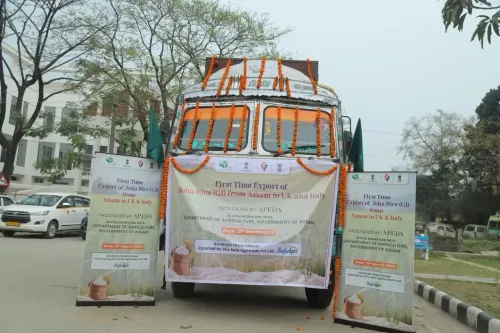
APEDA facilitated the export of 1 metric tonne of GI-tagged Gulbarga Tur Dal from Karnataka to the Maldives , announced on 25 September 2026 .
Farmers received ₹82 per kg through the export channel, versus a prevailing domestic market price of ₹60 per kg — a premium of more than 30% .
The consignment was exported by Silken Global Exports and Imports, Mysuru , via an FPO-led brand , and will travel to the Maldives by sea.
Gulbarga Tur Dal from the Kalaburagi region received its GI registration in 2019 .
The Commerce Ministry expects the pilot to pave the way for regular shipments to the Maldives and broader market expansion.
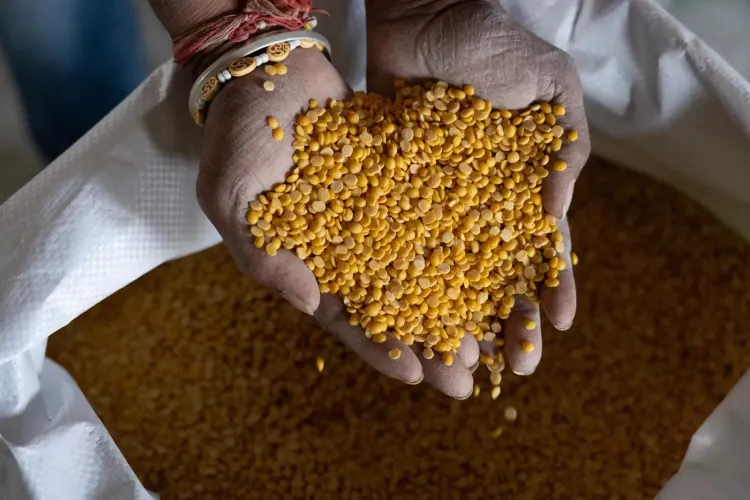
APEDA has facilitated the export of 1 metric tonne (MT) of GI-tagged Gulbarga Tur Dal from Karnataka to the Maldives, with farmers earning ₹82 per kg through the export-linked channel — compared to the prevailing market price of ₹60 per kg, representing a premium of more than 30%. The Commerce Ministry announced the development on 25 September 2026, describing it as a milestone in connecting Indian GI-certified agricultural produce with international markets.
About Gulbarga Tur Dal and Its GI Status
Gulbarga Tur Dal, sourced from the Kalaburagi region of northern Karnataka, received its Geographical Indication (GI) registration in 2019. The product is widely recognised for its distinctive taste, texture, and quality, and forms a significant pillar of the region's agricultural economy. The Agricultural and Processed Food Products Export Development Authority (APEDA) lists it among Karnataka's registered GI products. Kalaburagi is one of the state's major centres of tur cultivation, and the dal has long represented the region's agricultural identity.
How the Export Was Executed
The consignment was exported by Silken Global Exports and Imports, Mysuru, operating through its Farmer Producer Organisation (FPO)-led brand. The shipment, despatched on Thursday, will be transported to the Maldives by sea. The initiative was structured to give FPOs a more active role in export-oriented value chains, directly linking producers with international buyers rather than routing them through multiple intermediaries.
What the Government and APEDA Said
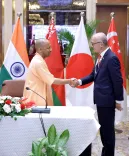
Abhishek Dev, Chairman of APEDA, highlighted the importance of taking India's GI-tagged agricultural products to global markets and building stronger market linkages for farmers. He said the export of Gulbarga Tur Dal to the Maldives provides an opportunity to establish the product's global identity while opening avenues for further market expansion. The Commerce Ministry added that the initiative is aligned with APEDA's broader efforts to facilitate exports of GI-tagged and value-added agricultural products to international markets.
Impact on Farmers and FPOs
The higher realisation of ₹82 per kg — versus a domestic market price of ₹60 per kg — translates directly into improved incomes for cultivators in the Kalaburagi belt. The ministry noted that the initiative also supports greater integration of FPOs and individual farmers with export-oriented supply chains, a policy priority under India's agricultural export promotion framework.
What Comes Next
The Commerce Ministry said the current consignment is expected to pave the way for regular shipments of Gulbarga Tur Dal to the Maldives, creating sustained market opportunities for producers and exporters from Karnataka. If the pilot succeeds, APEDA could use the model to expand exports of other GI-tagged agri products to similar markets in the region. This comes amid a broader push by the Centre to leverage India's growing GI portfolio — which now spans hundreds of agricultural, handicraft, and food products — as a competitive export differentiator.
Point of View
Which at 1 MT is a pilot rather than a programme. India has a large and growing GI portfolio, yet most GI-tagged agricultural products remain trapped in domestic commodity chains, unable to command the identity premium they legally hold. APEDA's FPO-led model here is the right architecture, but the test will be whether this single consignment translates into a recurring commercial relationship or remains a press release moment. The Maldives is a small, accessible market — meaningful for a pilot, but the ambition must be to replicate this with larger partners in Southeast Asia and the Gulf, where Indian diaspora demand for regional speciality foods is significantly higher.
NationPress
25 Sept 2026
Frequently Asked Questions
What is Gulbarga Tur Dal and why does it have a GI tag?
Gulbarga Tur Dal is a variety of pigeon pea (tur/arhar) grown in the Kalaburagi region of Karnataka, known for its distinctive taste and quality. It received Geographical Indication (GI) registration in 2019, certifying its origin and unique characteristics tied to that specific region.
How much more are farmers earning through this export channel?
Farmers are receiving ₹82 per kg through the APEDA-facilitated export channel, compared to the prevailing domestic market price of ₹60 per kg — a premium of more than 30%. This higher realisation is a direct result of connecting producers to international buyers via FPO-led export structures.
Who carried out the export and how is the consignment being shipped?
The 1 MT consignment was exported by Silken Global Exports and Imports, based in Mysuru, through its FPO-led brand. The shipment was despatched on Thursday and will be transported to the Maldives by sea.
What does this mean for future exports of Gulbarga Tur Dal?
The Commerce Ministry has indicated that the current export is expected to pave the way for regular shipments of Gulbarga Tur Dal to the Maldives, creating sustained market opportunities for Karnataka producers and exporters. APEDA also sees it as a model for expanding exports of other GI-tagged agri products.
What role does APEDA play in India's GI product exports?
APEDA, the Agricultural and Processed Food Products Export Development Authority, facilitates exports of GI-tagged and value-added agricultural products by connecting FPOs and producers with international markets. It maintains a registry of GI products and works to build global market identities for Indian regional specialities.