BIO-NIVESH launched to bridge biotech innovation and private investment in India
Synopsis
India's BIO-NIVESH platform isn't just another government scheme — it's a direct acknowledgement that the country's biotech ambitions have a capital problem. With the minister invoking India's late-mover regret on IT as a cautionary tale, the pressure is now on private investors and corporates to step up before the global biotech window narrows.
Key Takeaways
The government launched BIO-NIVESH on 3 September in New Delhi as a platform to connect biotech innovators with private investors.
Union Minister Dr Jitendra Singh said innovation and investment are mutually dependent and must be brought closer together.
The minister proposed a 'Big Five in Five Years' approach to build globally competitive biotech enterprises.
Dr Singh warned India must not repeat its decade-long lag during the IT revolution in the context of biotechnology.
Parallels were drawn with the opening of the space and nuclear sectors to private players, both of which generated strong investor interest.
The government positions itself as an enabler and early risk-taker, with private capital expected to drive sustained growth and scale.
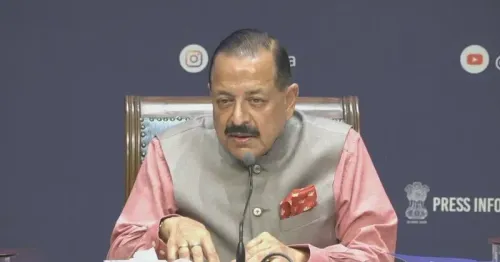
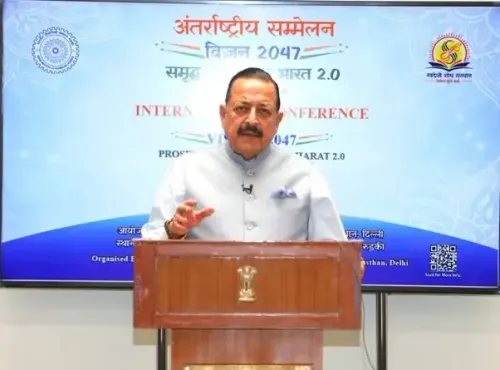
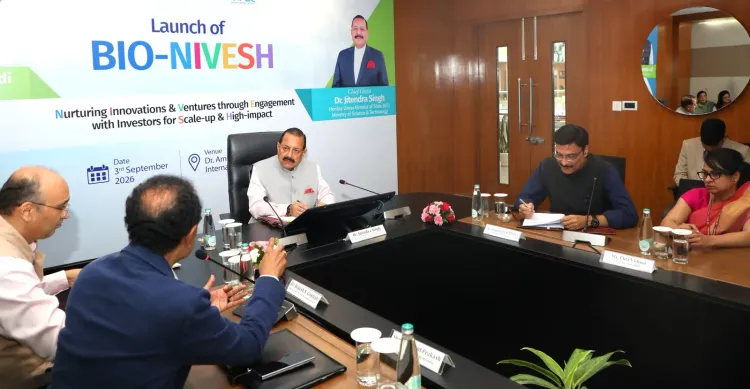
The Indian government on Thursday, 3 September launched BIO-NIVESH, a strategic platform designed to strengthen ties between biotechnology innovators and the investment community, with the explicit goal of channelling private capital into high-potential biotech ventures for scale-up and commercialisation. The initiative was unveiled in New Delhi and marks a significant policy push to position India at the forefront of the global biotechnology wave.
What BIO-NIVESH Is and What It Aims to Do
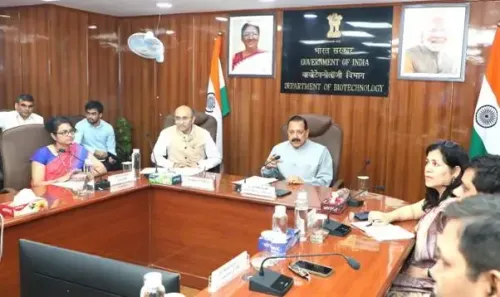
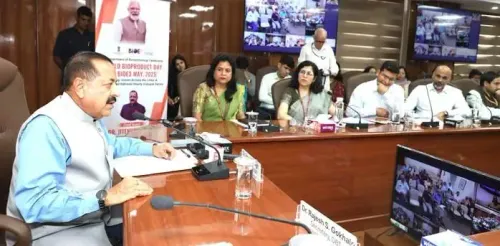
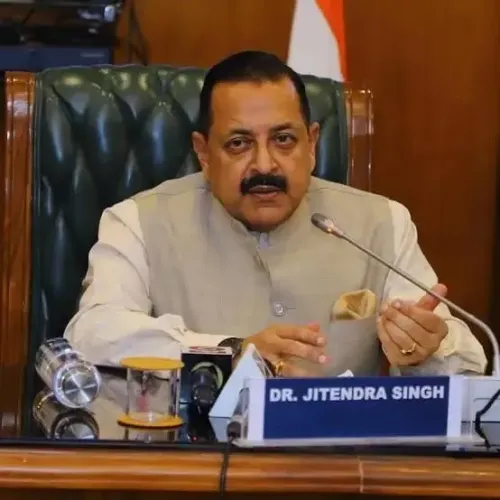
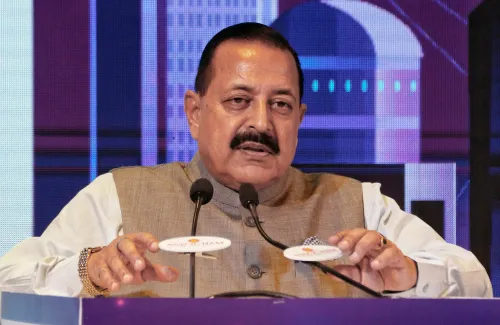
BIO-NIVESH functions as a structured engagement platform connecting biotech startups, researchers, and entrepreneurs with institutional and private investors. Union Minister Dr Jitendra Singh, who presided over an interactive roundtable with participating startups and investors, described the platform as 'the bridge required to take promising ideas from research and entrepreneurship to industry, scale and markets.'
The minister underscored the interdependence of innovation and capital, stating that innovation is incomplete without investment, while investment will not sustain itself without innovation — making closer engagement between innovators, investors, industry, and the government essential for India's biotechnology-led growth.
'Big Five in Five Years': A New Ecosystem Ambition
During the roundtable, Dr Singh floated the concept of a 'Big Five in Five Years' approach, suggesting the biotechnology ecosystem should explore creating five large-scale, globally competitive biotech enterprises within half a decade. The minister said the objective must be to build an ecosystem where 'science meets capital, innovation meets industry and research meets the market.'
He acknowledged the government's role as an enabler and early risk-taker, but was clear that private capital carries the primary responsibility for sustaining growth, building enterprises, and taking technologies to scale.
India Must Not Miss the Biotech Revolution
Dr Singh drew a pointed comparison to India's experience with the information technology sector, warning that the country must not repeat the pattern of being a late entrant — as it was roughly a decade behind during the IT revolution. He said platforms like BIO-NIVESH are specifically aimed at ensuring India captures the opportunities emerging from the next wave of technology-led growth before others do.
Notably, the minister also referenced the recent opening of India's space sector to private participation as a model, noting that the policy announcement alone generated significant investor and entrepreneurial interest. He drew a parallel with the opening of the nuclear sector to private players, saying that announcement too attracted strong investment interest, including from international business leaders.
Corporate Engagement and Mindset Shift
On the broader biotechnology landscape, Dr Singh called for deeper engagement with the corporate sector and a change of mindset on both sides — from investors who may still view biotech as high-risk, and from researchers who may remain unfamiliar with the demands of commercial scale-up. This comes amid India's growing ambition to expand its bioeconomy, which the government has previously targeted to reach $300 billion by 2030.
What Comes Next
BIO-NIVESH is expected to facilitate regular structured interactions between startups and capital providers, with the government acting as a convenor rather than a direct financier. Industry observers will watch whether the platform translates roundtable intent into measurable deal flow, particularly for early-stage ventures that struggle most to attract private funding.
Point of View
But a convening platform alone does not resolve the structural hesitancy of Indian private equity toward early-stage deep science. The space and nuclear analogies are instructive but imperfect: those sectors had clearer sovereign demand signals. Biotech's commercial pathways are longer and less predictable, which means the 'Big Five in Five Years' framing, while aspirational, will need hard incentive architecture — not just roundtables — to move from slogan to outcome.
NationPress
3 Sept 2026
Frequently Asked Questions
Who launched BIO-NIVESH and what was said at the event?
Union Minister Dr Jitendra Singh launched the platform and presided over an interactive roundtable with startups and investors. He stressed that innovation and investment are interdependent and proposed a 'Big Five in Five Years' approach to build large-scale biotech enterprises within five years.
Why does the government say BIO-NIVESH is necessary?
Dr Singh warned that India risks repeating its experience of being a late entrant — as it was roughly a decade behind during the IT revolution — if it does not act early to build a biotech investment ecosystem. BIO-NIVESH is intended to ensure India captures opportunities from the next technology-led growth wave before others do.
What role will the government play versus private investors?
According to Dr Singh, the government's role is to create enabling conditions and absorb initial risk, while private capital is expected to sustain growth, build enterprises, and take technologies to commercial scale. The government acts as a convenor, not a direct financier.
How does BIO-NIVESH connect to India's broader economic ambitions?
The platform aligns with India's stated goal of expanding its bioeconomy significantly. The minister also referenced the successful opening of the space and nuclear sectors to private players as models, both of which generated strong investor interest following policy announcements.