Jitendra Singh: Admin reforms aim to scrap outdated rules
Synopsis
The Centre says its reform push is about deleting rules, not adding them. In Lucknow, Jitendra Singh cited self-attestation as proof of trust in citizens, urged states to move from rule-based to role-based governance, and praised Uttar Pradesh for being among the early adopters of the District Governance Index.
Key Takeaways
Union MoS Dr Jitendra Singh said on 27 November 2026 that reforms focus on removing outdated rules and simplifying procedures.
He cited self-attestation , which replaced gazetted officer attestation, as a sign of trust in the youth.
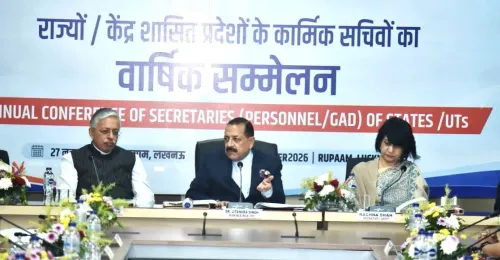
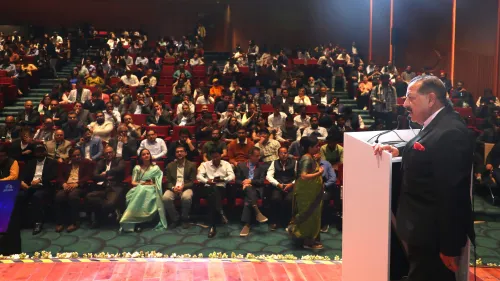
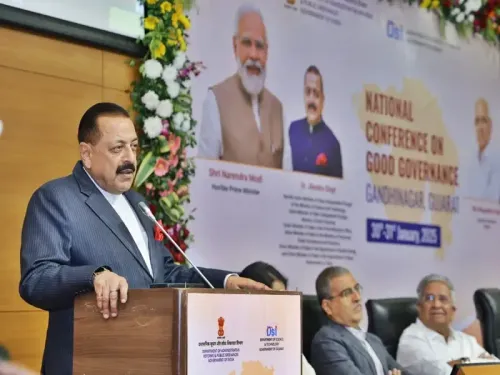
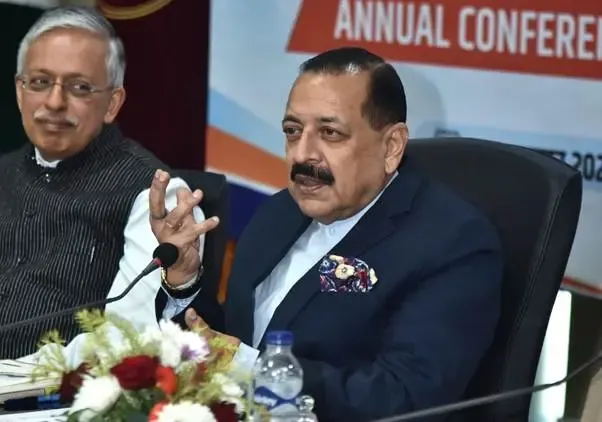
He addressed the Annual Conference of Secretaries (Personnel/GAD) of States and UTs in Lucknow .
Singh urged a shift from rule-based to role-based , technology-driven, citizen-centric governance.
Governance conferences have been held in Itanagar , Leh and Katra to widen outreach beyond Delhi.
Uttar Pradesh was praised as among the early adopters of DARPG's District Governance Index .
The Centre's administrative reforms are focused on removing outdated rules and simplifying procedures rather than adding new regulations, Union Minister of State Dr Jitendra Singh said on Friday, 27 November 2026. He was addressing the Annual Conference of Secretaries (Personnel/GAD) of States and Union Territories in Lucknow, where he urged states to build a responsive, technology-driven and citizen-centric governance ecosystem.
Singh framed the approach as part of the governance model followed since 2014 under Prime Minister Narendra Modi. He presented it as a shift towards less procedural friction rather than more paperwork.
Self-Attestation as a Signal of Trust
As an example, Singh pointed to the introduction of self-attestation, which replaced the requirement for gazetted officers to attest documents. He described the change as an important expression of the government's trust in the youth of the country.
The reform is one of the most visible changes for ordinary citizens. It removed a routine step that applicants for jobs, admissions and official services previously had to complete.
Shift from Rule-Based to Role-Based Governance
Singh said the changing governance landscape requires administrators to move beyond conventional rule-based functioning towards a role-oriented approach. He called for greater emphasis on institutional capacity, professional competence, ethical conduct and responsiveness to citizens.
He called on states and Union Territories to strengthen administrative reforms and promote inter-state collaboration. He also asked them to build a governance system that is responsive, “role-based”, technology-driven and citizen-centric.
Taking Governance Conferences Beyond Delhi
The minister said the government has consistently encouraged holding national-level conferences and governance deliberations in different regions instead of confining them to Delhi. He said the aim was wider administrative outreach, a stronger sense of participation among officers, and more direct interaction between Central and State administrations.
He cited the decision to hold a North-Eastern regional conference in Itanagar rather than limiting it to Guwahati. He also mentioned governance conferences held in Leh and Katra.
According to Singh, these initiatives have helped senior Central Government officers engage directly with State administrations and understand regional governance challenges more closely. He added that the approach has also improved the exchange of best practices between the Centre and the states.
District Governance Index and Uttar Pradesh
Referring to the District Governance Index developed through the Department of Administrative Reforms and Public Grievances (DARPG), Singh praised Uttar Pradesh for being among the early states to adopt it. The host state of the conference was thus held up as an example of quick uptake of a Central governance tool.
He said successful models developed at the national level should be adapted by states. Effective state-level practices, he added, should also find wider use across the country.
What Lies Ahead
Singh's remarks place Centre-state cooperation and the exchange of best practices at the centre of the next phase of administrative reform. How quickly states adopt tools such as the District Governance Index, and whether more outdated procedures are scrapped, will show how far the push for “role-based” governance goes in practice.
Point of View
But the Centre has offered no count of how many procedures have actually been removed. Self-attestation is a real citizen-facing win, yet it is now a decade-old example, which raises the question of what comparable simplifications have followed. The move from 'rule-based' to 'role-based' administration sounds progressive, but it depends on accountability systems that many states have not yet built. Indices and touring conferences can help spread good practice, but they cannot replace measurable cuts in the time and cost citizens face when dealing with government.
NationPress
27 Nov 2026
Frequently Asked Questions
What did Jitendra Singh say about administrative reforms?
He said the government's focus has been on removing outdated rules and simplifying procedures rather than merely introducing new regulations. He made the remarks on 27 November 2026 at a conference of state personnel secretaries in Lucknow.
What is self-attestation and why did the minister highlight it?
Self-attestation lets citizens certify their own documents instead of getting them attested by gazetted officers. Singh described it as an important expression of the government's trust in the country's youth.
What is role-based governance?
It is an approach in which administrators move beyond rigid rule-based functioning to focus on their roles and outcomes. Singh said it calls for greater emphasis on institutional capacity, professional competence, ethical conduct and responsiveness to citizens.
What is the District Governance Index?
It is a governance assessment framework developed through the Department of Administrative Reforms and Public Grievances (DARPG). Singh praised Uttar Pradesh for being among the early states to adopt it.
Why are governance conferences being held outside Delhi?
The aim is wider administrative outreach, greater participation among officers and direct interaction between Central and State administrations. Conferences have been held in Itanagar, Leh and Katra.