GST 2.0 quadrupled auto retail growth pace; 3 crore vehicles sold in 11 months
Synopsis
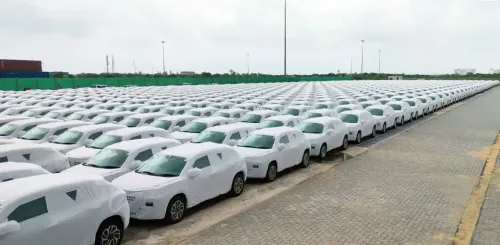
GST 2.0 has delivered one of the most striking demand surges in Indian auto history — over 3 crore vehicles sold in 11 months, nearly 20% YoY growth, rural markets outrunning cities, and alternative fuels overtaking petrol for the first time. FADA says the affordability-led shift is structural, not seasonal, and now constitutes a new normal for the industry.
Key Takeaways
GST 2.0 quadrupled auto retail growth, lifting the pace to nearly 20% year-on-year from under 5% a year earlier.
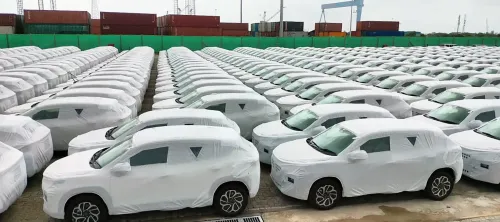
Indian auto retail sold more than 3 crore vehicles in the 11 months from October 2025 to August 2026 .
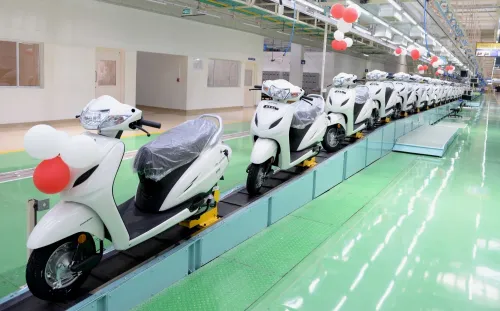
Two-wheeler sales have reclaimed a peak last seen in 2018 , reflecting broad mass-market demand recovery.
Alternative fuels have overtaken petrol in the passenger vehicle segment for the first time.
Rural markets are now outpacing urban India across vehicle categories.
Manufacturers face ongoing cost pressures from global crude, commodity , and currency volatility.
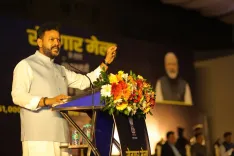
GST 2.0 has quadrupled the pace of growth in Indian auto retail, with affordability emerging as the defining driver of demand, Federation of Automobile Dealers Associations (FADA) President Sai Giridhar said on Tuesday, 22 September 2026. The remarks, made on the first anniversary of the reform, underline a structural shift in the market rather than a cyclical uptick.
Record Volumes Across 11 Months
According to Giridhar, Indian auto retail registered more than 3 crore vehicles in the 11 months from October 2025 to August 2026, clocking nearly 20 per cent year-on-year growth. That compares with less than 5 per cent growth in the corresponding period a year earlier — a fourfold acceleration that industry leaders are attributing directly to the GST overhaul.
Giridhar described the reform as one that permanently lowered the on-road cost of vehicles widely purchased across India, including small cars, commuter two-wheelers, tractors, and commercial vehicles. He argued this widened the addressable market rather than merely pulling forward existing demand.
Affordability: The Single Biggest Lever
'The engine of this momentum has been one word — affordability,' Giridhar said, noting that the reform brought first-time and long-deferred buyers back to showrooms. He added that the strong momentum seen during the last festive season has since become 'a new normal for the industry.'
Giridhar stressed that the impact of GST 2.0 has been structural rather than seasonal, with the automobile sector recording its best-ever months across categories over the past year. 'The clearest lesson of this remarkable year is this: affordability is the single most powerful lever of demand,' he said.
Key Market Shifts: EVs, Rural Demand and Two-Wheelers
Two-wheelers, which Giridhar described as a key indicator of mass-market demand, have reclaimed a sales peak last seen in 2018. In the passenger vehicle segment, alternative fuels have overtaken petrol for the first time, signalling an accelerating shift away from conventional powertrains.
Notably, rural markets have begun to outpace urban India across vehicle categories — a reversal that suggests the lower cost threshold is unlocking latent demand in non-metro geographies that previously sat on the sidelines.
Cost Pressures Remain a Risk
Despite the buoyant headline numbers, Giridhar acknowledged that automobile manufacturers continue to face cost pressures from global volatility in crude prices, commodities, and currency movements. These supply-side risks could compress margins and test whether current pricing levels are sustainable without further policy support.
Government's Role and What Comes Next
Giridhar credited the government, under the leadership of Prime Minister Narendra Modi, for placing affordability at the centre of policy, arguing that the reform has helped create a fresh consumption and growth cycle in Indian auto retail. Industry watchers will now track whether the momentum holds through the upcoming festive season and whether the government extends or deepens GST rationalisation to higher vehicle segments.
Point of View
But the more consequential data point is that rural markets are now outpacing urban India — that suggests GST 2.0 did something structural, not cosmetic. India's auto sector has historically been a two-speed economy: urban upgrade cycles and a mass market that kept hitting affordability walls. The wall appears to have shifted. The real test, however, is whether this trajectory survives any rollback of the rationalised rates, or whether a commodity price spike forces OEMs to pass on costs and erode the very affordability that unlocked demand. Policymakers should note that the industry is telling them, loudly, that price-point policy works — and that withdrawing it will be visible immediately in retail data.
NationPress
22 Sept 2026
Frequently Asked Questions
What is GST 2.0 and how did it affect auto sales in India?
GST 2.0 refers to the rationalisation of Goods and Services Tax rates on vehicles, permanently reducing on-road costs for categories including small cars, commuter two-wheelers, tractors, and commercial vehicles. According to FADA, it helped drive nearly 20% year-on-year growth in auto retail between October 2025 and August 2026, quadrupling the pace seen in the prior comparable period.
How many vehicles were sold in India between October 2025 and August 2026?
Indian auto retail registered more than 3 crore vehicles in the 11-month period from October 2025 to August 2026, according to FADA President Sai Giridhar. This represents the industry's best-ever run across categories.
Why have two-wheeler sales recovered so strongly in 2026?
Two-wheeler sales have reclaimed a peak last seen in 2018, driven by affordability gains from GST 2.0 and a surge in first-time and long-deferred buyers entering the market. FADA describes two-wheelers as a key indicator of mass-market demand, and the recovery signals broad-based consumption rather than premium-segment growth alone.
Have electric and alternative-fuel vehicles overtaken petrol cars in India?
Yes, for the first time, alternative fuels have overtaken petrol in India's passenger vehicle segment, according to FADA data cited on 22 September 2026. The trend reflects both GST-driven affordability improvements for EVs and hybrid vehicles and a broader shift in buyer preference.
What risks could slow India's auto retail growth momentum?
FADA has flagged ongoing cost pressures for manufacturers from global volatility in crude oil prices, commodity prices, and currency movements. If these pressures force OEMs to raise vehicle prices, they could erode the affordability gains that GST 2.0 delivered, potentially cooling the demand cycle that has driven record sales.