GSTAT appeal deadline extended to July 31 amid portal surge
Synopsis
With nearly 30,000 GST appeals flooding the GSTAT portal in just 15 days — and daily volumes hitting 5,500 — the Finance Ministry had little choice but to push the deadline to 31 July. The portal crunch exposes a recurring infrastructure gap: India's tax dispute machinery struggles to absorb the load every time a statutory deadline looms.
Key Takeaways
The Finance Ministry extended the GSTAT appeal filing deadline from 30 June to 31 July .
Nearly 30,000 appeals were filed in the last 15 days before the original deadline, with daily volumes peaking at 5,500 .
The extension covers appeals under Section 112(1) read with Section 112(3) of the CGST Act .
The original 30 June deadline was set via a notification dated 17 September 2025 .
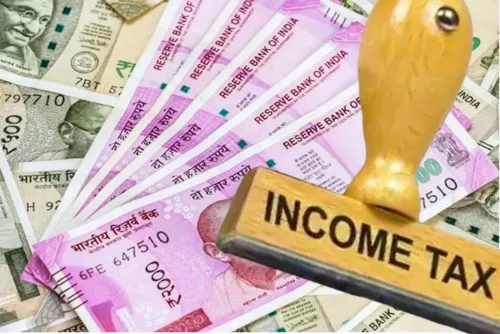
Gross GST collections rose 3.2% year-on-year to ₹1.94 lakh crore in May; net direct tax collections grew 14.64% to ₹5.21 lakh crore in April–June FY27 .
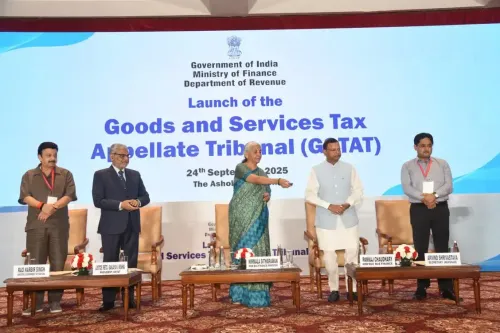
The Ministry of Finance on Tuesday, 30 June extended the deadline for filing appeals before the Goods and Services Tax Appellate Tribunal (GSTAT) to 31 July, citing technical difficulties on the GSTAT portal triggered by a sharp surge in last-minute filings. The extension follows representations from multiple stakeholders who flagged system strain as the original deadline approached.
What Triggered the Extension
The extension applies to appeals filed under Section 112(1) read with Section 112(3) of the Central Goods and Services Tax (CGST) Act. According to the Finance Ministry, the GSTAT portal came under severe stress in the days leading up to the 30 June cut-off, with daily filing volumes peaking at around 5,500 appeals. Nearly 30,000 appeals were submitted in the last 15 days alone, overwhelming the system's capacity.
The original deadline of 30 June had been fixed through a government notification issued on 17 September 2025.
Advisory to Taxpayers
The ministry has urged taxpayers to plan their appeal filings well in advance and avoid waiting until the final date. Officials cautioned that last-minute congestion on the portal risks further technical disruptions, and that early filing is strongly advisable to ensure timely processing.
Broader Tax Collection Context
The deadline extension comes against a backdrop of robust government tax revenues. Gross GST collections rose 3.2 per cent year-on-year to ₹1.94 lakh crore in May, even as geopolitical tensions in West Asia weighed on trade sentiment. Net GST collections climbed 3.3 per cent to ₹1.67 lakh crore, while GST refunds during the month increased 2.6 per cent to ₹27,281 crore.
On the direct tax front, according to the Income Tax Department, net direct tax collections rose 14.64 per cent year-on-year to ₹5.21 lakh crore during the 1 April–17 June period of FY27, compared with ₹4.55 lakh crore in the same period of the previous financial year. Gross direct tax collections also grew 12.46 per cent to ₹6.10 lakh crore over the same window.
What Happens Next
With the revised deadline now set at 31 July, taxpayers and businesses with pending GST disputes have a fresh window to file their appeals without technical hurdles — provided filings are spread across the month rather than concentrated at the end. The GSTAT portal's capacity and stability in the coming weeks will be closely watched by the tax community.
Point of View
500 daily filings is not a technical anomaly — it is a policy design failure. Statutory deadlines for mass-participation processes must be paired with scalable infrastructure, not retrofitted with extensions after the system buckles. This is at least the second major instance of a tax portal struggling under deadline pressure in recent years. The Finance Ministry's advisory to 'file early' places the burden on taxpayers rather than on the state to build systems that can absorb predictable load. As India's direct and indirect tax base expands — net direct tax collections are already up nearly 15% this year — the tribunal and portal infrastructure must scale commensurately, or deadline extensions will become routine rather than exceptional.
NationPress
29 Sept 2026
Frequently Asked Questions
Why has the GSTAT appeal filing deadline been extended to 31 July?
The Finance Ministry extended the deadline from 30 June to 31 July after stakeholders reported technical difficulties on the GSTAT portal caused by a surge in filings. Nearly 30,000 appeals were submitted in the 15 days before the original deadline, with daily volumes peaking at around 5,500.
Which appeals does the GSTAT deadline extension cover?
The extension applies to appeals filed under Section 112(1) read with Section 112(3) of the Central Goods and Services Tax (CGST) Act. The original 30 June deadline had been set through a government notification issued on 17 September 2025.
What has the Finance Ministry advised taxpayers regarding the new deadline?
The ministry has urged taxpayers to plan their filings well in advance and avoid waiting until 31 July to prevent a repeat of the portal congestion that triggered the extension.
How are overall GST and direct tax collections performing?
Gross GST collections rose 3.2% year-on-year to ₹1.94 lakh crore in May. Net direct tax collections grew 14.64% to ₹5.21 lakh crore during April 1–June 17 of FY27, while gross direct tax collections increased 12.46% to ₹6.10 lakh crore over the same period.
What is the GST Appellate Tribunal (GSTAT)?
The GSTAT is a quasi-judicial body established to hear appeals against orders passed by GST authorities. It provides taxpayers and businesses a formal channel to contest GST disputes before approaching higher courts.