GST Appellate Tribunal promises cost-effective dispute resolution for taxpayers
Synopsis
India's GST Appellate Tribunal is now live and moving fast — over 11,400 appeals already filed. With its 'Appellate Devo Bhava' principle and a mandate for justice over mere decisions, GSTAT could be the most consequential structural fix to indirect tax dispute resolution since GST was launched in 2017.
Key Takeaways
The GST Appellate Tribunal (GSTAT) is positioned as a cost-effective alternative to High Court litigation for GST disputes.
The GSTAT portal has recorded over 8,000 registrations and approximately 11,400 appeals filed as of the conference date.
Justice (Retd) Sanjaya Kumar Misra , GSTAT President, stated the Tribunal's vision is 'nyaya (justice), not merely nirnay (decision)' .
Minor procedural lapses will not block adjudication on merits if essential documents are submitted.
A committee has been formed to review stakeholder representations and improve the GSTAT portal, including greater automation .
The conference was organised by the PHD Chamber of Commerce and Industry (PHDCCI) in New Delhi on 31 May 2025 .
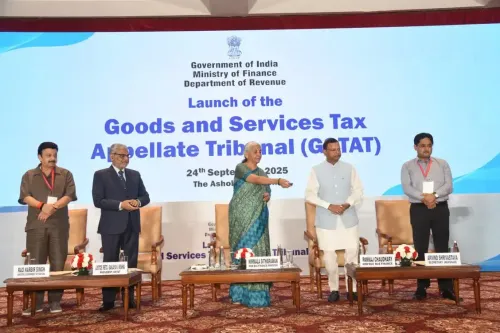
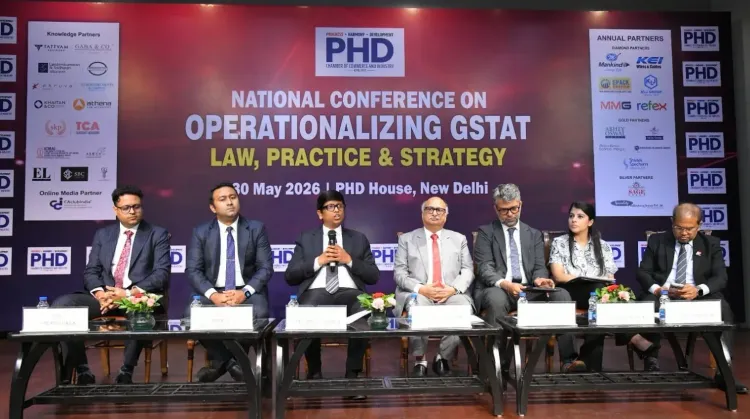
The GST Appellate Tribunal (GSTAT) is set to offer Indian taxpayers a more accessible and cost-effective mechanism for resolving Goods and Services Tax disputes, experts said at a national conference held in New Delhi on 31 May 2025. The event, organised by the PHD Chamber of Commerce and Industry (PHDCCI), focused on operationalising the newly constituted tribunal.
Key Principles Outlined by GSTAT President
Justice (Retd) Sanjaya Kumar Misra, President of GSTAT, set the tone by stressing preparedness, professionalism, and a firm command over facts as prerequisites for effective representation before the Tribunal. He urged practitioners to approach every case with diligence and a commitment to excellence.
Misra introduced the Tribunal's guiding principle — 'Appellate Devo Bhava' — underscoring that appellants will be treated with respect and that all appeals will receive a fair, unbiased hearing. He also clarified that minor procedural lapses will not obstruct adjudication on merits, provided that essential documents are duly submitted.
Affirming a broader institutional vision, Misra stated that GSTAT's purpose is 'nyaya (justice), not merely nirnay (decision)', with success measured by legal certainty and the number of cases conclusively resolved. A dedicated committee has been constituted to review stakeholder representations and guide future improvements to the GSTAT portal, including greater automation.
Scale of Filings and Current Traction
Ashok Batra, Chair of the Indirect Taxes (IDT) Committee at PHDCCI, described GSTAT as the final fact-finding authority under the GST framework — a role of considerable legal weight. He noted that the GSTAT portal has already recorded strong early uptake, with over 8,000 registrations and approximately 11,400 appeals filed to date.
Batra acknowledged, however, that given the sheer volume of pending matters — with several lakh orders already passed under GST — it may take some time for the Tribunal to work through its initial caseload. This comes amid longstanding concerns from businesses and tax professionals about the absence of a dedicated appellate forum, which had previously forced taxpayers to approach High Courts directly, at considerably greater cost.
Guidance for Effective GST Litigation
Pramod Kumar Rai, Judicial Member of GSTAT, offered practitioners a practical roadmap: statements of facts must be clear and concise, the most relevant grounds should be argued in detail, and appeals must rest on strong, well-articulated foundations. Rai advised that arguments should prioritise merits; limitation and legal grounds should be invoked where a merits-based argument is unlikely to prevail.
The broader panel consensus was that successful GST litigation demands a combination of sound drafting, strong factual presentation, and a carefully planned litigation strategy — skills that practitioners must sharpen as the Tribunal scales up operations.
What Comes Next
With the GSTAT now operationally active and filings accelerating, the focus shifts to disposal timelines and portal readiness. The stakeholder review committee is expected to recommend portal enhancements in the near term. For businesses carrying unresolved GST disputes — many of which have been pending for years — the Tribunal's ramp-up represents the most significant structural shift in indirect tax dispute resolution since the GST rollout in 2017.
Point of View
Making dispute resolution expensive and slow. The 11,400 appeals already filed signal pent-up demand, but disposal speed will be the real test of credibility. The 'nyaya over nirnay' framing is aspirationally sound, yet without transparent timelines and a robust portal, the Tribunal risks replicating the backlog problem it was designed to solve. The stakeholder committee on portal automation is a promising signal — but only if its recommendations are implemented before the caseload becomes unmanageable.
NationPress
15 Oct 2026
Frequently Asked Questions
What is the GST Appellate Tribunal (GSTAT)?
The GST Appellate Tribunal (GSTAT) is the designated appellate body for resolving disputes under India's Goods and Services Tax framework. It serves as the final fact-finding authority under GST, offering taxpayers a more accessible and cost-effective alternative to approaching High Courts directly.
How many appeals have been filed with GSTAT so far?
As of the PHDCCI national conference held in New Delhi, the GSTAT portal had recorded over 8,000 registrations and approximately 11,400 appeals filed. Given the large volume of pending GST orders, disposal is expected to take some time initially.
What is the guiding principle of GSTAT?
GSTAT operates under the principle of 'Appellate Devo Bhava', meaning appellants will be treated with respect and receive fair, unbiased hearings. GSTAT President Justice (Retd) Sanjaya Kumar Misra has stated the Tribunal's vision is 'nyaya (justice), not merely nirnay (decision)'.
Will procedural lapses affect a taxpayer's case before GSTAT?
No. GSTAT has clarified that minor procedural lapses will not block adjudication on merits, provided that essential documents are submitted. The Tribunal's focus is on conclusive resolution rather than technicalities.
What strategy should taxpayers and practitioners follow before GSTAT?
According to GSTAT Judicial Member Pramod Kumar Rai, practitioners should ensure statements of facts are clear, argue the most relevant grounds in detail, and build strong, well-articulated appeals. Arguments should prioritise merits; limitation and legal grounds should be used where a merits-based argument is unlikely to succeed.