ICMR trial finds Ayurvedic formulas match iron-folic acid for anaemia in women
Synopsis
A rigorous ICMR-CCRAS Phase III trial enrolling nearly 4,000 women has found Ayurvedic formulations therapeutically equivalent to standard iron-folic acid treatment for moderate anaemia — a rare scientific validation of traditional medicine at this scale. Presented at India's first-ever dedicated annual clinical trial meet, the finding could reshape national anaemia-management protocols.
Key Takeaways
ICMR Phase III trial finds Punarnavadi Mandura (alone and with Drakshavaleha ) therapeutically equivalent to standard iron-folic acid supplementation for moderate anaemia.
Trial enrolled nearly 4,000 non-pregnant women aged 18–49 and tracked outcomes over 90 days .
Study conducted in collaboration with the Central Council for Research in Ayurvedic Sciences (CCRAS) .
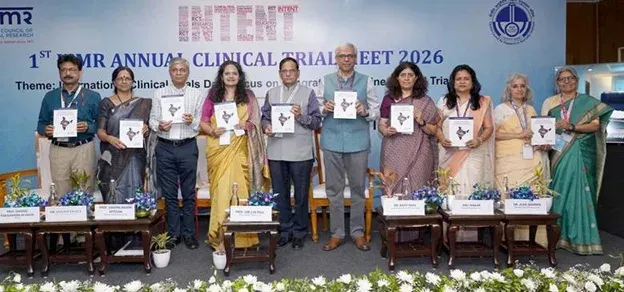
Report on First-in-Human Phase 1 Clinical Trials launched, based on inputs from 37 experts across industry, academia, and regulators.
The 1st ICMR Annual Clinical Trial Meet 2026 marks India's first structured annual forum dedicated to clinical trial advancement.
The Indian Council of Medical Research (ICMR) has found, through a multicentric Phase III clinical trial, that Ayurvedic formulations are therapeutically equivalent to standard iron-folic acid supplementation in treating moderate iron deficiency anaemia among women, according to an official statement released on Thursday, 21 May 2026. The finding marks a significant step in validating integrative medicine through rigorous scientific methods.
What the Trial Found
The study, conducted by ICMR in collaboration with the Central Council for Research in Ayurvedic Sciences (CCRAS), enrolled nearly 4,000 non-pregnant women aged 18 to 49 with moderate anaemia. Researchers compared Punarnavadi Mandura — used both alone and in combination with Drakshavaleha — against standard iron-folic acid supplementation, tracking haemoglobin levels and clinical outcomes over a 90-day period. The results indicated therapeutic equivalence between the Ayurvedic interventions and the conventional treatment.
The Clinical Trial Meet 2026
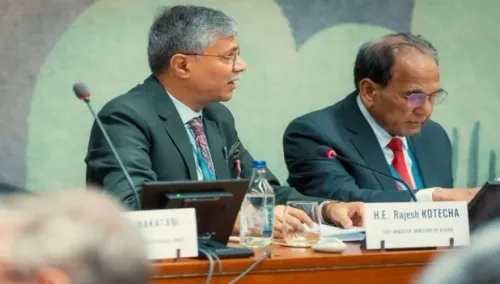
The findings were presented at the 1st ICMR Annual Clinical Trial Meet 2026, organised to strengthen India's clinical trial ecosystem and advance evidence-based integrative medicine research. The event, acknowledged by the Ministry of Health and Family Welfare, brought together policymakers, scientists, clinicians, researchers, regulatory authorities, and industry experts to deliberate on emerging opportunities, ethical frameworks, and regulatory pathways in clinical research.
First-in-Human Trials Report Launched
The meet also witnessed the launch of a report on advancing First-in-Human Phase 1 Clinical Trials in India. Developed through a two-round consultation involving 37 experts from the pharmaceutical industry, Contract Research Organisations (CROs), academia, and national regulatory agencies, the report identified major bottlenecks in early-phase trial advancement. It recommended strengthening regulatory capacity, streamlining approval processes, and improving inter-agency coordination to support innovation-driven clinical research.
Broader Policy Implications
A panel discussion at the event focused on translating scientific evidence into public health policy and healthcare practice. Dignitaries underscored the need for robust clinical research systems, ethical governance, and scientific validation of integrative healthcare to address emerging public health challenges. Notably, this is the first time ICMR has held a dedicated annual meet for clinical trials, signalling a more structured push to position India as a credible hub for global clinical research. The convergence of Ayurveda and modern clinical methodology in a Phase III setting is also rare, and the results are expected to inform national anaemia-management guidelines going forward.
Point of View
They could provide a policy basis for integrating Ayurvedic supplementation into national anaemia programmes, where iron-folic acid compliance remains a persistent challenge. However, the real test will be whether the government moves from evidence to protocol — a step India's integrative medicine agenda has repeatedly stalled at. The simultaneous push on First-in-Human trials reflects a broader ambition to capture early-phase global trial business, but the report's own identification of regulatory bottlenecks suggests the ecosystem is not yet ready to compete with established hubs.
NationPress
19 Sept 2026
Frequently Asked Questions
What did the ICMR clinical trial find about Ayurvedic treatment for anaemia?
The ICMR Phase III trial found that Ayurvedic formulations — specifically Punarnavadi Mandura alone and in combination with Drakshavaleha — are therapeutically equivalent to standard iron-folic acid supplementation in treating moderate iron deficiency anaemia among women. The trial tracked haemoglobin levels and clinical outcomes over 90 days in nearly 4,000 non-pregnant women aged 18 to 49.
Who conducted the ICMR anaemia trial and how large was it?
The trial was conducted by ICMR in collaboration with the Central Council for Research in Ayurvedic Sciences (CCRAS). It enrolled nearly 4,000 non-pregnant women aged 18 to 49 with moderate anaemia, making it one of the largest clinical studies on Ayurvedic interventions in India.
What is the 1st ICMR Annual Clinical Trial Meet 2026?
It is India's first dedicated annual forum for clinical trial stakeholders, organised by ICMR to strengthen the country's clinical trial ecosystem and advance evidence-based integrative medicine research. The meet brought together policymakers, scientists, clinicians, regulators, and industry experts.
What does the First-in-Human Phase 1 Clinical Trials report recommend?
The report, developed with inputs from 37 experts across pharma, CROs, academia, and regulatory agencies, recommends strengthening regulatory capacity, streamlining approval processes, and improving coordination among agencies. It identifies these as the key bottlenecks holding back early-phase clinical trial growth in India.
Why does the ICMR Ayurveda anaemia trial matter for public health?
Iron deficiency anaemia is a major public health burden in India, particularly among women of reproductive age, and compliance with standard iron-folic acid supplements is often poor. Evidence of therapeutic equivalence from a Phase III trial could support the inclusion of Ayurvedic formulations in national anaemia-management guidelines, potentially improving treatment uptake.