ICMR i-DRONE cuts TB diagnosis time from 15 days to 5 in Telangana
Synopsis
ICMR's i-DRONE project in Telangana cut TB diagnosis time from 15 days to 5 and slashed patient costs from ₹9,451 to virtually zero — using drones to ferry sputum samples from village health centres to labs. With 840 patients enrolled, it is one of the most concrete proof-of-concepts yet for drone-assisted healthcare in India's fight to eliminate TB.
Key Takeaways
ICMR's i-DRONE initiative reduced median TB diagnosis turnaround from 15 days to 5 days in Yadadri-Bhuvanagiri, Telangana .
Mean out-of-pocket expenditure for patients fell from ₹9,451 to ₹91 ; median expenditure during the drone phase was zero .
The programme enrolled 840 participants and operated through a network of 11 PHCs , 60 sub-centres , and 4 TB Units .
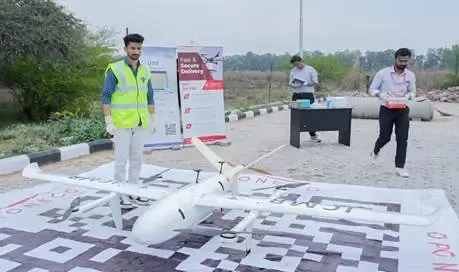
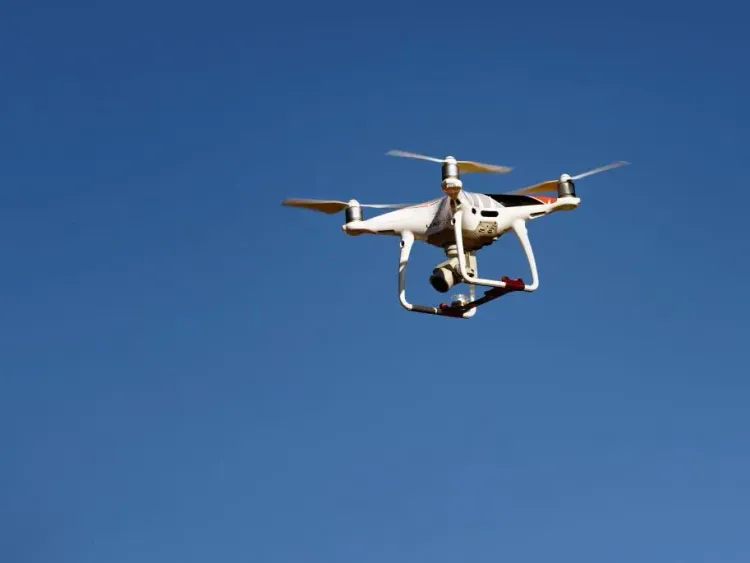
Drones transported sputum samples from local health facilities to diagnostic labs, eliminating the need for patient travel.
Operational challenges including weather, payload limits, and training needs must be addressed before wider rollout.
Rajiv Bahl , Director General of ICMR , said the findings will shape future public health technology deployments.
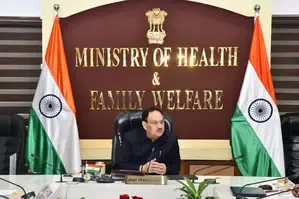
The Indian Council of Medical Research (ICMR)'s flagship i-DRONE initiative has demonstrated that drone-assisted transport of tuberculosis sputum samples can dramatically improve diagnostic access for patients in remote areas of Yadadri-Bhuvanagiri district, Telangana, according to a statement from the Ministry of Health and Family Welfare released on Thursday, 16 July. The programme enrolled 840 participants and found the median turnaround time for TB diagnosis fell from 15 days to 5 days after drone-based sample transport was introduced.
How the Programme Worked
The study compared the conventional model — in which patients travelled to diagnostic centres themselves — against a drone-enabled alternative. Under the new system, sputum samples were collected at nearby Primary Health Centres (PHCs) and sub-centres, then flown by drone to designated TB diagnostic laboratories (TUs). The hub-and-spoke network connected 11 PHCs, 60 sub-centres, and four TB Units, allowing patients to submit samples at facilities closer to their villages.
Dramatic Drop in Patient Costs
The financial relief for patients was equally striking. Mean out-of-pocket expenditure dropped from approximately ₹9,451 to just ₹91 per patient. Notably, the median out-of-pocket expenditure during the drone phase was zero, indicating that a large share of participants incurred no travel-related costs at all. The intervention eliminated much of the wage loss and travel expense that had previously deterred early diagnosis.
What Officials Said
Dr. Rajiv Bahl, Secretary of the Department of Health Research and Director General of ICMR, said the findings underline how technology can dismantle geographical barriers. 'Affordable and timely access to diagnosis remains central to India's TB elimination efforts. This study demonstrates how technology can help bridge geographical barriers and reduce the burden on patients, particularly those living in remote areas,' he said. He added that the evidence generated will inform future public health innovations while complementing existing healthcare delivery systems.
Operational Gains and Limitations
Healthcare workers reported that drone-enabled transport reduced delays, improved operational efficiency, and was well accepted by communities after an initial familiarisation period. However, the study also identified practical constraints, including weather dependency, payload limitations, and the need for sustained staff training. These factors, according to the statement, will need careful planning before wider rollout. This comes amid India's broader push to eliminate TB by 2025 — a target that has made faster diagnostics a national priority.
Significance for India's TB Elimination Goal
India carries one of the world's highest TB burdens, and diagnostic delays remain a key obstacle to timely treatment. The i-DRONE model offers a scalable template for bridging last-mile connectivity gaps, particularly in districts where terrain or distance makes patient travel impractical. With the evidence base now established in Telangana, the ICMR is expected to use these findings to shape future public health technology deployments across similarly underserved geographies.
Point of View
But the gap between a district-level pilot and a national rollout is where India's health programmes most often stall. The cost reduction — from ₹9,451 to near-zero — is the number that should travel furthest, because patient cost is consistently the most underreported barrier to TB diagnosis in rural India. What the study does not yet answer is whether drone logistics can be sustained without donor or government subsidy at scale, and whether the weather and payload constraints flagged by researchers will prove prohibitive in geographies more challenging than Telangana's terrain. The 2025 TB elimination deadline has already slipped in practice; the real question is whether innovations like i-DRONE can be institutionalised fast enough to matter.
NationPress
16 Jul 2026
Frequently Asked Questions
What is the ICMR i-DRONE initiative?
The i-DRONE initiative is a flagship programme by the Indian Council of Medical Research that uses drones to transport TB sputum samples from Primary Health Centres and sub-centres to diagnostic laboratories. It is designed to improve diagnostic access for patients in remote and underserved areas without requiring them to travel long distances.
By how much did i-DRONE reduce TB diagnosis time?
The median turnaround time for TB diagnosis fell from 15 days to 5 days following the introduction of drone-based sample transport, according to the Ministry of Health and Family Welfare. The study covered 840 participants in Yadadri-Bhuvanagiri district, Telangana.
How much did patient costs fall under the drone model?
Mean out-of-pocket expenditure dropped from approximately ₹9,451 to ₹91 per patient. The median expenditure during the drone phase was zero, meaning many participants incurred no travel-related costs for TB diagnosis.
What were the operational challenges identified in the study?
The study flagged weather dependency, drone payload limitations, and the need for sustained staff training as key operational constraints. Researchers noted that careful planning would be essential before the model is scaled to other districts or states.
Why does faster TB diagnosis matter for India?
India carries one of the world's highest TB burdens, and diagnostic delays directly delay treatment, increasing transmission risk and disease severity. Faster diagnosis is central to India's national goal of TB elimination, making innovations like i-DRONE strategically significant.