CM Majhi Approves New Projects Under Mukhyamantri Sadak Yojana
Synopsis
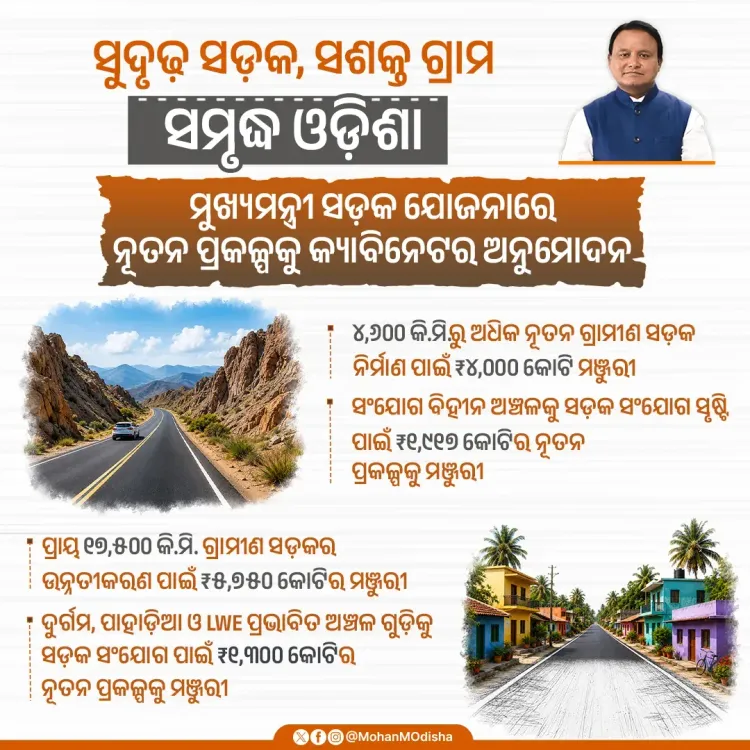
Odisha Chief Minister Mohan Charan Majhi approved new projects under the Mukhyamantri Sadak Yojana on July 16, 2026, targeting rural road expansion in isolated, remote, and hilly regions to strengthen village connectivity and accelerate rural development across the state.
Key Takeaways
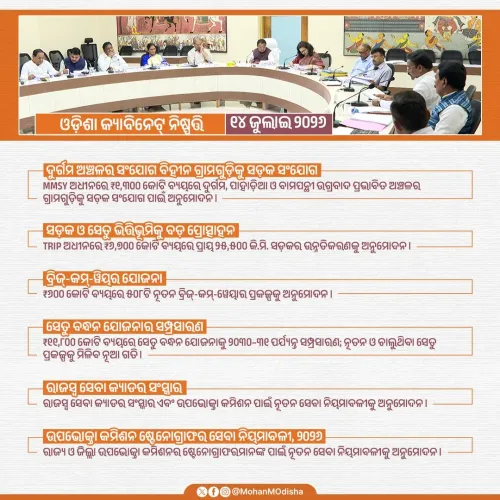
CM Mohan Charan Majhi announced new project approvals under the Mukhyamantri Sadak Yojana (MMSY) on July 16, 2026 .
The scheme targets isolated, remote, and hilly villages currently lacking adequate road connectivity.
The initiative aims to improve daily mobility, market access, and rural development across Odisha .
MMSY complements central schemes like PMGSY by covering habitations outside their eligibility criteria.
The government's stated vision is 'Sashakta Grama, Samriddha Odisha' — Empowered Village, Prosperous Odisha.
Project implementation will be overseen by the state's Public Works Department , with district-wise details expected soon.
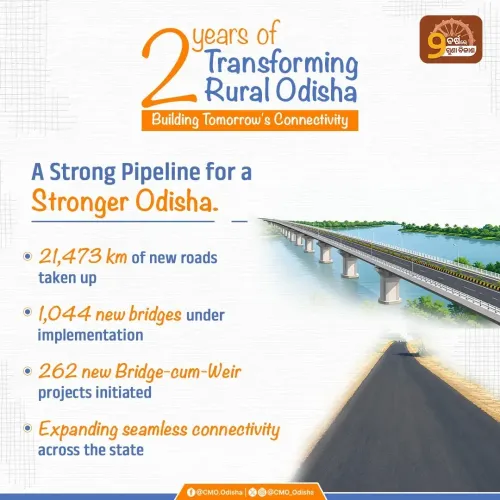
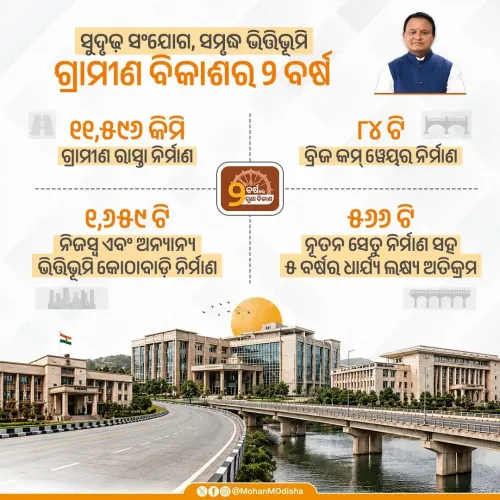
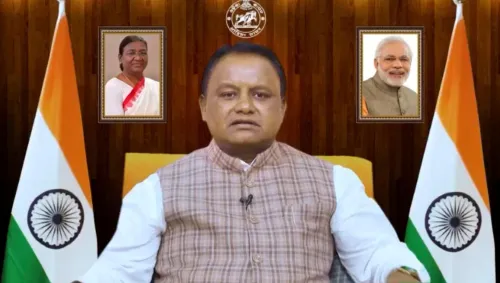
Odisha Chief Minister Mohan Charan Majhi on Thursday, July 16, 2026, announced the approval of new projects under the Mukhyamantri Sadak Yojana (MMSY), pledging to extend robust road connectivity to every village in the state, with a special focus on isolated, remote, and hilly regions.
Posting in Odia on X, CM Majhi declared the move 'another big decision' by the people's government toward ensuring strong road connectivity to every village. He wrote that the initiative would 'give new momentum to the expansion and upgradation of rural road infrastructure' across Odisha, making daily life easier for residents of areas previously cut off from road networks.
Context
The Mukhyamantri Sadak Yojana is a state-level rural road scheme that complements central programmes such as the Pradhan Mantri Gram Sadak Yojana (PMGSY) by targeting habitations and terrain that fall outside the eligibility criteria of centrally funded schemes. Odisha has a significant proportion of tribal and forested hinterland, particularly in districts such as Koraput, Malkangiri, Kandhamal, and Mayurbhanj, where road access has historically been limited. The fresh round of project approvals under MMSY is aimed at bridging this infrastructure gap.
Policy Backdrop
Since the Bharatiya Janata Party (BJP) came to power in Odisha following the June 2024 assembly elections — ending the Biju Janata Dal's uninterrupted 24-year rule — CM Majhi has positioned rural infrastructure as a signature governance priority. The government has framed rural road expansion as integral to its broader vision of 'Sashakta Grama, Samriddha Odisha' (Empowered Village, Prosperous Odisha), a slogan the Chief Minister reiterated in this post. Road connectivity in tribal and hilly zones is also linked to anti-Maoist strategy, as improved access facilitates both development delivery and security operations in Left Wing Extremism-affected pockets.
Stakeholders and Impact
The primary beneficiaries are residents of villages currently classified as unconnected or poorly connected — communities that face difficulties in accessing markets, health facilities, and schools. Farmers in remote areas stand to gain through better market linkages, while local contractors and the construction sector are expected to receive a boost from the fresh project pipeline. For the state government, the approvals reinforce a political narrative of tangible rural delivery ahead of future electoral cycles.
What's Next
The approved projects under MMSY will now move to tendering and construction phases, with timelines to be determined by the state's Public Works Department. The government is expected to announce district-wise project lists and estimated outlays in the coming weeks. Sustained budget allocation and monitoring mechanisms will be critical to translating the approvals into on-ground road assets, particularly in geographically challenging terrain.
Point of View
Signalling state presence in areas long perceived as neglected. By anchoring the announcement in the slogan 'Sashakta Grama, Samriddha Odisha,' the BJP government is also building a narrative framework that could be deployed in local body elections and the next assembly cycle. The real test will be execution speed and quality in terrain where past schemes have repeatedly fallen behind schedule.
NationPress
15 Oct 2026
Frequently Asked Questions
What is Mukhyamantri Sadak Yojana in Odisha?
Mukhyamantri Sadak Yojana (MMSY) is a state government scheme in Odisha designed to provide all-weather road connectivity to villages, especially those in remote, hilly, and tribal areas that do not qualify under centrally funded rural road programmes.
Which villages will benefit from the new MMSY projects approved by CM Majhi?
The newly approved projects under MMSY specifically target unconnected, remote, and hilly villages across Odisha, with tribal-dominated districts in regions such as Koraput, Malkangiri, and Mayurbhanj among the likely beneficiaries.
What is the difference between MMSY and PMGSY?
While the Pradhan Mantri Gram Sadak Yojana (PMGSY) is a centrally funded scheme with specific population-threshold eligibility criteria, the Mukhyamantri Sadak Yojana is a state-level programme that fills the gap by covering habitations and terrain not eligible under PMGSY.
When did CM Mohan Majhi announce the new road projects?
Chief Minister Mohan Charan Majhi announced the approval of new projects under MMSY on Thursday, July 16, 2026, through a post on X (formerly Twitter).
What does 'Sashakta Grama, Samriddha Odisha' mean?
'Sashakta Grama, Samriddha Odisha' is an Odia phrase meaning 'Empowered Village, Prosperous Odisha' — the Majhi government's stated vision linking rural infrastructure development to overall state prosperity.