CM Majhi flags Mayurbhanj as launchpad for Odisha's development push
Synopsis
Odisha Chief Minister Mohan Charan Majhi, marking two years of BJP rule, highlighted Mayurbhanj as the starting point of a new development chapter, citing PM Modi's guidance and pledging expanded investment, rail-road connectivity, industrialisation, and job creation across the state.
Key Takeaways
Chief Minister Mohan Charan Majhi posted on 27 June 2026 marking two years of the BJP-led Odisha government.
Mayurbhanj district , home to a large tribal population and mineral resources, has been positioned as the symbolic launchpad for the state's development drive.
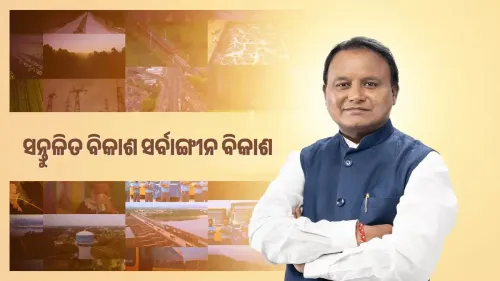
The post cited large-scale investment, rail and road connectivity expansion, industrialisation, and employment generation as core pillars.
The initiative is framed as being guided by Prime Minister Narendra Modi and aligns with the national PM Gati Shakti multimodal infrastructure framework.
The BJP's 2024 Odisha election manifesto had specifically committed to growth in underserved and tribal districts.
Concrete project timelines and investment figures have not been officially disclosed or independently verified.
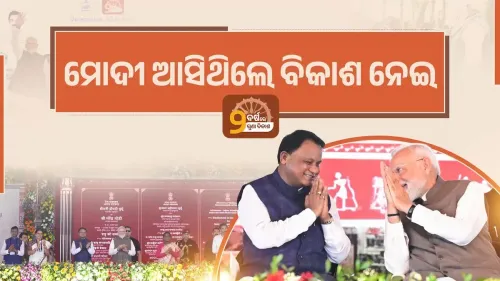
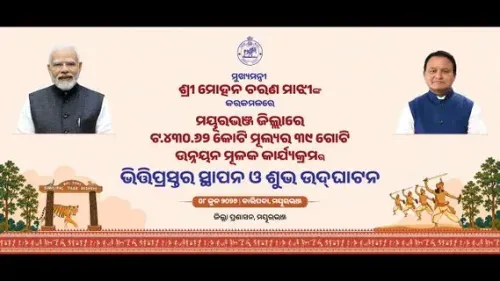
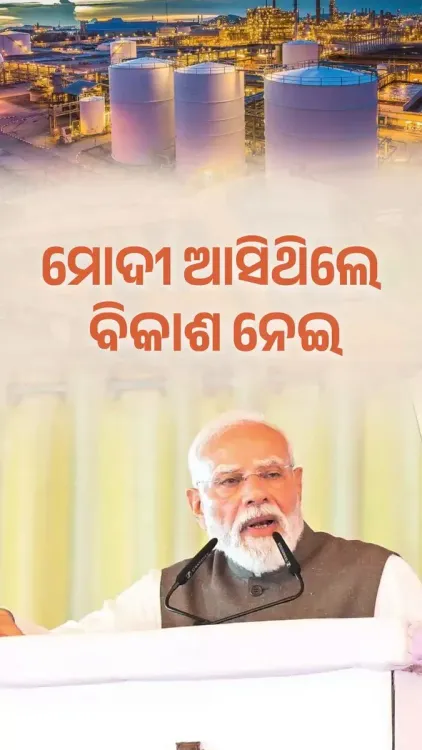
Odisha Chief Minister Mohan Charan Majhi on Saturday, 27 June 2026 highlighted Mayurbhanj district as the starting point of a new chapter of development in the state, crediting the guidance of Prime Minister Narendra Modi for driving large-scale investment, infrastructure expansion, and job creation across Odisha.
Context
Posting in Odia under the hashtags #2YearsofLokankaSarakar and #BikasharaDharaOdishaSara, Chief Minister Majhi described the initiatives originating from Mayurbhanj as 'a reflection of a firm resolve for the overall progress of the state.' The post marks what appears to be a two-year milestone of the BJP-led state government, which came to power in June 2024.
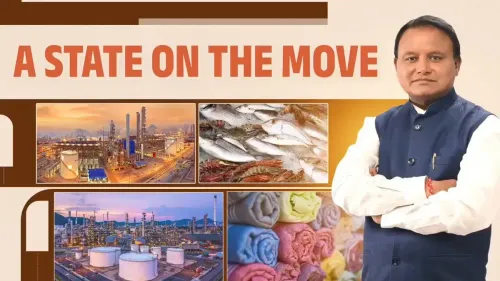
Majhi's message specifically cited 'large-scale investment, improved infrastructure, expansion of rail and road connectivity, industrialisation, and employment generation' as pillars of the state's development agenda. Mayurbhanj, a northern Odisha district with a significant tribal population and mineral wealth, has been positioned as a symbolic and strategic starting point for this push.
Policy Backdrop
The BJP's 2024 Odisha assembly election manifesto had committed to industrial growth, rail-road connectivity, and employment generation with a particular focus on underserved districts. The framing of Mayurbhanj as a development anchor aligns with that stated agenda of bringing growth to tribal and mineral-rich regions that have historically lagged in formal economic integration.
At the national level, the PM Gati Shakti National Master Plan, launched in 2021, provides a multimodal infrastructure planning framework that state governments, including Odisha, have been expected to align with. Chief Minister Majhi's reference to rail-road expansion and capital investment echoes the central-state coordination model that Gati Shakti is designed to enable.
Stakeholders and Impact
The communities most directly referenced in Majhi's post are the tribal populations of Mayurbhanj, who stand to benefit — or not — from the announced infrastructure and industrialisation drive. Connectivity improvements, if realised, could reduce isolation and open access to markets for a district where a large share of residents belong to Scheduled Tribe communities.
For Odisha's youth, the emphasis on employment generation is a recurring political promise that the state government will be measured against. Infrastructure investors and industrial houses are also an implicit audience, as such public messaging is often intended to signal policy intent and administrative commitment ahead of investor summits or budget announcements.
What's Next
The two-year anniversary framing suggests the state government is entering a phase of consolidating and communicating its record to voters and stakeholders. Observers will watch for concrete project rollouts — particularly new rail lines, highway upgrades, and industrial corridor announcements in Mayurbhanj and surrounding northern Odisha districts — in upcoming state budgets or investor meets. Whether the development momentum translates into measurable employment numbers and infrastructure completions will define the BJP government's narrative heading into the next electoral cycle.
Point of View
With Mayurbhanj serving as a rhetorically powerful symbol of BJP's outreach to tribal and historically marginalised districts. The invocation of PM Modi's guidance is deliberate, tying state-level ambition to central political capital and signalling that Odisha's BJP government sees itself as an extension of the national development narrative. The Gati Shakti alignment also positions the state to claim credit for centrally-funded infrastructure spending. The real test will come when specific project completions and employment data are placed against these broad commitments.
NationPress
26 Sept 2026
Frequently Asked Questions
What did Odisha CM Mohan Majhi say about Mayurbhanj development?
CM Mohan Charan Majhi stated that a new chapter of development beginning from Mayurbhanj reflects a firm resolve for the overall progress of Odisha, citing large-scale investment, rail-road connectivity, industrialisation, and job creation as key focus areas.
Why is Mayurbhanj significant for Odisha's development?
Mayurbhanj is a northern Odisha district with a large tribal population and significant mineral resources. It has been positioned by the BJP state government as a strategic starting point for infrastructure-led growth in underserved regions.
What is the '2 Years of Lokankas Sarkar' hashtag about?
The hashtag marks two years of the BJP-led government in Odisha, which came to power in June 2024. CM Majhi used it to highlight the government's development record and future commitments.
How does PM Gati Shakti relate to Odisha's infrastructure plans?
The PM Gati Shakti National Master Plan, launched in 2021, provides a framework for integrating multimodal infrastructure across states. Odisha's rail-road expansion plans are expected to align with this national initiative.
What are the key development priorities of the BJP government in Odisha?
According to the BJP's 2024 Odisha manifesto and CM Majhi's statements, the key priorities include large-scale capital investment, rail and road connectivity, industrialisation, and employment generation, particularly in tribal and underserved districts.