India building defence supply chain via MSMEs, says ASSOCHAM
Synopsis
ASSOCHAM's defence council chief says India is already laying the groundwork — through MSMEs and local suppliers — for a serious global defence market play. But his sharpest line was a warning: without a clear national commitment, all that potential stays on paper. The conference signals growing industry urgency to convert policy into supply-chain reality.
Key Takeaways
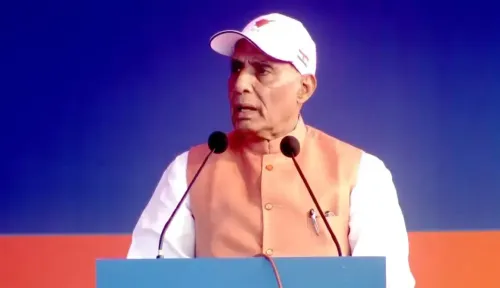
Rajiv Gupta , chairman of ASSOCHAM National Council on Defence and Aerospace , spoke at the ASSOCHAM National Conference on Aerospace and Defence Manufacturing in New Delhi on 25 August .
India is developing MSMEs and local supplier partners to build a wider domestic defence supply network.
Gupta warned that India's global defence market growth 'will remain an opportunity only on paper' without a firm national commitment.
Conference discussions focused on technology, quality certification, and export readiness for the defence sector.
The push aligns with government positive indigenisation lists mandating domestic procurement across defence categories.
Rajiv Gupta, chairman of the ASSOCHAM National Council on Defence and Aerospace, said on Tuesday, 25 August that India is actively building a robust domestic defence supply chain through MSMEs and local supplier partners, even as he stressed that the country's growth in the global defence market will ultimately depend on its own resolve to seize available opportunities.
Key Developments at the Conference
Gupta was speaking on the sidelines of the ASSOCHAM National Conference on Aerospace and Defence Manufacturing in New Delhi. He said the conference was designed to help all stakeholders — industry players, policymakers, and suppliers — better understand the needs of the sector, the requirements of the country, and the enabling factors necessary to drive sustainable growth.
'I think this is a great initiative given by ASSOCHAM to make sure that everybody who is involved in defence and aerospace understands what are the needs of the industry, what are the needs of the country, and most importantly, what are the enablers to make this happen,' Gupta said.
MSMEs at the Core of Localisation Push
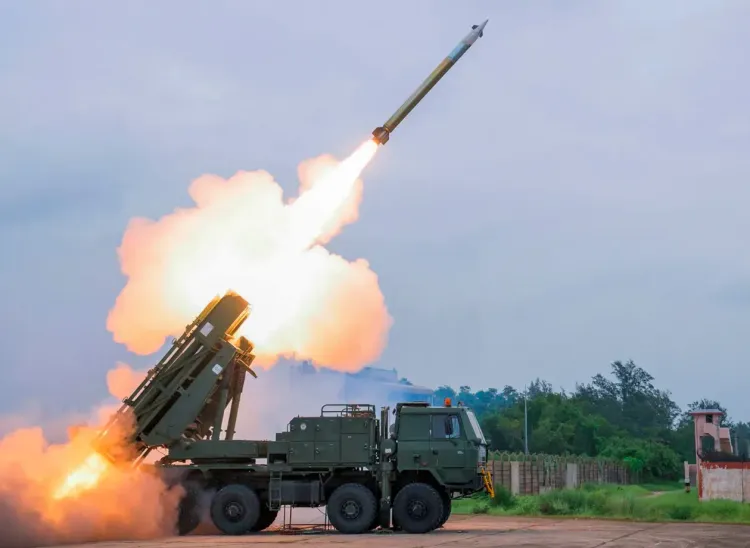
Gupta highlighted that companies in the defence and aerospace sector have been equipping India's armed forces with advanced products developed domestically and tested in demanding operational environments. A central pillar of this effort, he noted, has been the deliberate development of MSMEs and local supplier partners to widen the domestic supply network.
'To do so, we have developed multiple MSMEs and local supplier partners,' he said, adding that the industry would continue efforts to increase localisation and strengthen India's defence manufacturing ecosystem.
Opportunities — But Only If India Commits
While acknowledging the scale of India's potential in the global defence market, Gupta was candid about the conditionality attached to that potential. He argued that the opportunities are real but will remain unrealised without a firm national commitment to pursue them.
'India's growth in the global defence market is a function of what we as Indians decide to do. The opportunities are immense, but unless we have made up our mind to go for it, it will remain an opportunity only on paper but never fructify,' he said.
This comes amid India's broader push to reduce defence import dependence, with the government having designated several items under positive indigenisation lists that mandate domestic procurement. The ASSOCHAM conference reflects growing industry momentum to translate policy intent into supply-chain depth.
What the Industry Is Watching
Discussions at the conference reportedly focused on the structural factors needed to strengthen the sector — spanning technology transfer, quality certification for MSMEs, and export readiness. Industry participants are expected to submit recommendations to relevant ministries following the event. How quickly those recommendations translate into policy action will be a key indicator of whether India's defence manufacturing ambitions move beyond headline targets.
Point of View
But the will to scale it is still in question. India has announced indigenisation targets repeatedly over the past decade, yet import dependence in critical defence platforms remains high. The MSME supply-chain push is necessary but not sufficient — without quality standards, export certification pathways, and consistent government procurement commitments, MSMEs remain fragile sub-tier suppliers rather than strategic industrial anchors. The conference is a useful forum, but its value will be measured by what ministries do with the recommendations, not by the energy in the room.
NationPress
25 Aug 2026
Frequently Asked Questions
What did ASSOCHAM's Rajiv Gupta say about India's defence supply chain?
Gupta said India is actively building a domestic defence supply chain by developing MSMEs and local supplier partners. He made the remarks at the ASSOCHAM National Conference on Aerospace and Defence Manufacturing in New Delhi on 25 August.
Why does Gupta say India's defence market growth depends on national commitment?
Gupta argued that while India's opportunities in the global defence market are immense, they will not materialise unless the country makes a firm decision to pursue them. He cautioned that without that resolve, the opportunities would remain on paper and never translate into real growth.
What is the role of MSMEs in India's defence manufacturing push?
MSMEs are being developed as local supplier partners to broaden India's domestic defence supply network. Companies in the sector have been working to increase localisation by sourcing components and sub-systems from smaller domestic manufacturers tested in real operational conditions.
What is the ASSOCHAM National Conference on Aerospace and Defence Manufacturing?
It is a forum organised by the Associated Chambers of Commerce and Industry of India (ASSOCHAM) to bring together stakeholders from the defence and aerospace sectors. The conference aims to align industry needs, national requirements, and policy enablers to drive growth in defence manufacturing.
How does this fit into India's broader defence indigenisation policy?
India has placed several defence items on positive indigenisation lists that mandate domestic procurement, reducing reliance on imports. The ASSOCHAM conference and the MSME supply-chain development effort reflect industry efforts to build the manufacturing depth needed to meet those policy commitments.