India-Bhutan energy cooperation: Hydropower, trade ties reviewed in New Delhi
Synopsis
India and Bhutan doubled down on their energy partnership in New Delhi, with Power Minister Manohar Lal and Bhutan's Lyonpo Gem Tshering reviewing key hydropower projects including Punatsangchhu and Sankosh. With bilateral trade surging 46% to $1.9 billion in FY25, energy cooperation is no longer just diplomacy — it is the economic backbone of one of India's most stable Himalayan relationships.
Key Takeaways
Union Power Minister Manohar Lal met Bhutan's Energy Minister Lyonpo Gem Tshering in New Delhi on 7 August .
Discussions covered hydropower development , cross-border electricity trade , transmission connectivity , and renewable energy .
Key projects reviewed include Punatsangchhu-I , Punatsangchhu-II , Sankosh , and Chukha .
India accounts for nearly 80 per cent of Bhutan's total trade.
Bilateral trade exceeded $1.9 billion in FY25 , up over 46 per cent year-on-year.
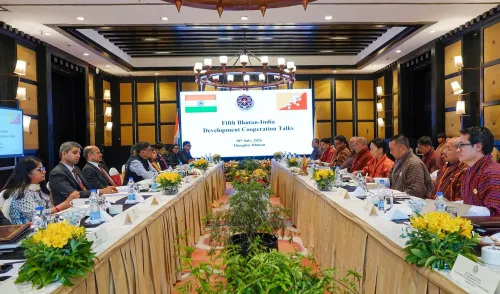
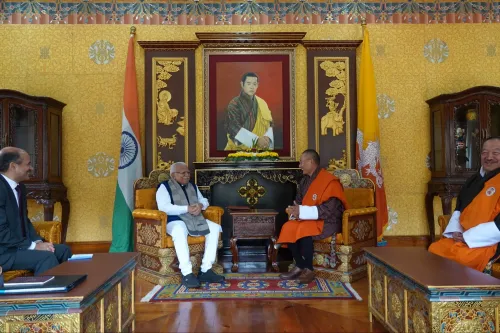
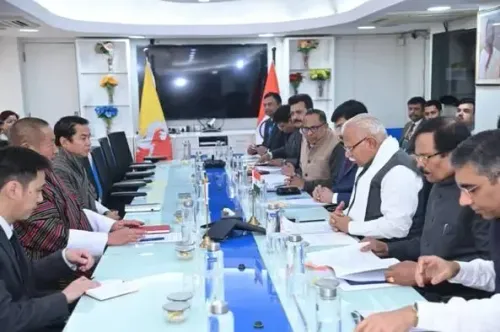
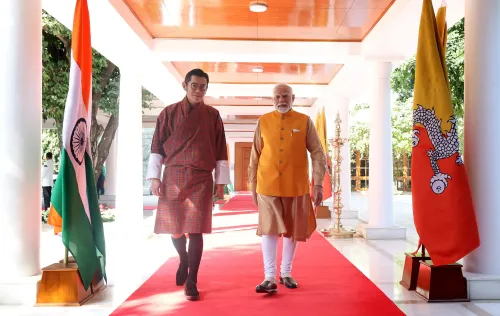
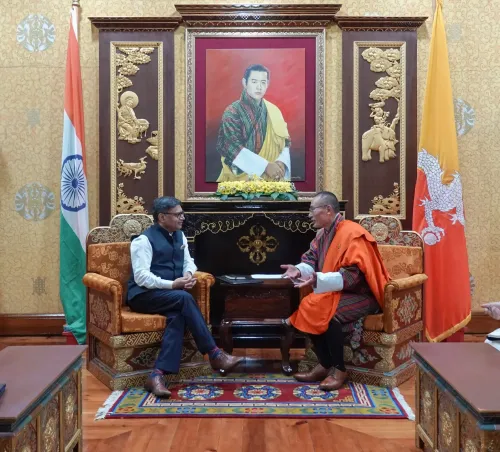
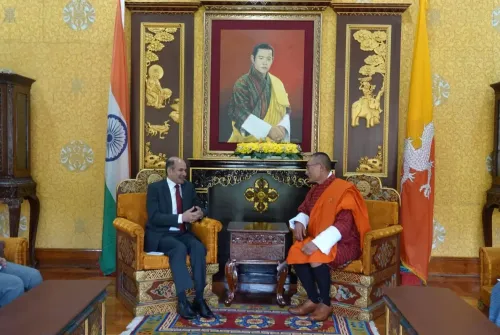
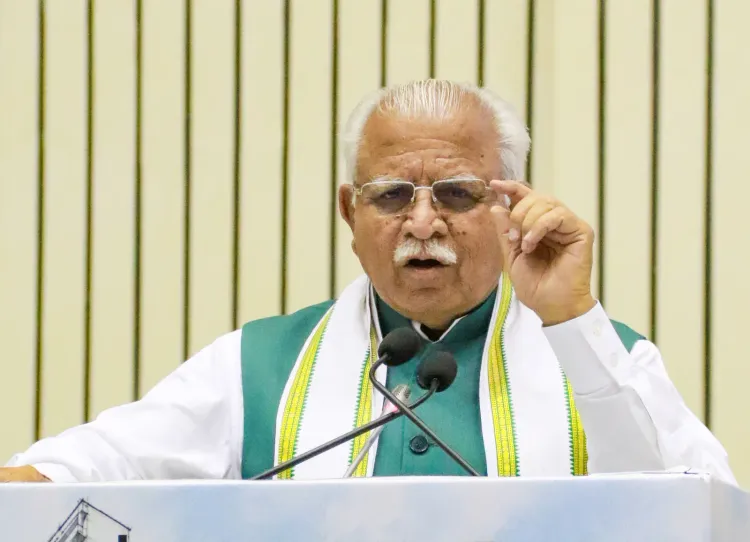
Union Power Minister Manohar Lal met Bhutan's Minister of Energy and Natural Resources, Lyonpo Gem Tshering, in New Delhi on 7 August to review progress in bilateral energy cooperation and chart a course for deeper collaboration across the power sector. The meeting underscored the centrality of energy ties in the broader India–Bhutan relationship, which officials described as 'special and enduring.'
Key Developments from the Bilateral Meeting
The two ministers held wide-ranging discussions covering hydropower development, cross-border electricity trade, transmission connectivity, renewable energy, and institutional cooperation and capacity building. Both sides also reviewed the functioning of bilateral institutional mechanisms established to ensure regular engagement in the power sector.
Among the flagship hydropower projects that featured in the discussions were Punatsangchhu-I, Punatsangchhu-II, Sankosh, and Chukha — projects that have long anchored the two countries' energy partnership, according to an official ministry statement.
What the Two Ministers Said
Lal reiterated India's steadfast commitment to supporting the long-standing power sector partnership with Bhutan. Tshering, in turn, appreciated India's continued support and conveyed Bhutan's resolve to further expand the energy partnership. Both ministers expressed satisfaction over the progress achieved and reaffirmed their shared commitment to strengthening bilateral ties for the benefit of both nations.
Trade Context and Strategic Importance
India is Bhutan's largest trading partner, accounting for nearly 80 per cent of Bhutan's total trade. Bilateral trade exceeded $1.9 billion in FY25, registering growth of over 46 per cent compared to the previous financial year — a figure that underscores how deeply intertwined the two economies have become.
Notably, energy exports — particularly hydropower sold to India — form a significant pillar of Bhutan's revenue base, making the power sector not merely a technical domain but a strategic economic lifeline for the Himalayan kingdom.
What Comes Next
Both sides reiterated their commitment to deepening collaboration through continued dialogue, close coordination, and timely implementation of mutually beneficial initiatives. With several large hydropower projects still under development, the pace of project completion and grid connectivity upgrades will be closely watched as indicators of how quickly the partnership can translate intent into output.
Point of View
But the numbers tell a harder story: hydropower revenues are a fiscal pillar for Thimphu, and India's grid is a captive buyer. That mutual dependence is a strength, but it also means delays on projects like Punatsangchhu-I — which has faced cost overruns and timeline slippages for years — carry real economic consequences for Bhutan. The 46 per cent surge in bilateral trade in FY25 is striking, but it warrants scrutiny: how much of that growth is energy trade, and how much reflects genuine diversification? Without project-level timelines and accountability on stalled hydropower assets, ministerial satisfaction statements risk becoming a ritual rather than a reckoning.
NationPress
7 Aug 2026
Frequently Asked Questions
What was discussed at the India-Bhutan energy meeting on 7 August?
Union Power Minister Manohar Lal and Bhutan's Energy Minister Lyonpo Gem Tshering met in New Delhi on 7 August to review bilateral energy cooperation. Discussions spanned hydropower development, cross-border electricity trade, transmission connectivity, renewable energy, and capacity building.
Which hydropower projects were reviewed at the India-Bhutan meeting?
The two ministers reviewed four key hydropower projects: Punatsangchhu-I, Punatsangchhu-II, Sankosh, and Chukha. These projects form the core of the long-standing India–Bhutan power sector partnership, according to an official ministry statement.
How significant is India as a trade partner for Bhutan?
India is Bhutan's largest trading partner, accounting for nearly 80 per cent of Bhutan's total trade. Bilateral trade exceeded $1.9 billion in FY25, a growth of over 46 per cent compared to the previous financial year.
Why does energy cooperation matter so much to Bhutan?
Hydropower exports to India constitute a major source of government revenue for Bhutan, making the power sector a strategic economic priority rather than just a diplomatic one. The timely completion of hydropower projects directly affects Bhutan's fiscal position.
What are the next steps in India-Bhutan energy cooperation?
Both sides committed to continued dialogue, close coordination, and timely implementation of mutually beneficial energy initiatives. Progress on ongoing hydropower projects and expansion of transmission connectivity are the key near-term deliverables.