Drugs Rules amended to cover gene therapy, stem cell products under CLAA
Synopsis
India has quietly redrawn its pharmaceutical rulebook: gene therapies, CAR-T cell treatments, and animal-tissue xenografts must now pass through a single centralised licensing authority. The amendment to the Drugs Rules, 1945 signals that New Delhi is moving to match global regulatory standards for advanced biologics — a sector where billions in investment and patient safety both hang in the balance.
Key Takeaways
The Central Government amended the Drugs Rules, 1945 on 2 July 2025 to expand the CLAA framework .
Three new categories now fall under centralised oversight: cell and stem cell-derived products , gene therapeutic products , and xenografts .
CAR-T cell therapies used in treating leukaemias and lymphomas are among the products now covered.
Gene replacement and gene editing therapies for genetic disorders and cancers are included in the amendment.
Xenografts such as animal-derived heart valves used in cardiology and orthopaedics also fall under the new rules.
The Ministry of Health and Family Welfare said the move aligns India's regulatory framework with global best practices and scientific advancements.
The Central Government on 2 July 2025 amended the Drugs Rules, 1945 to bring cell and stem cell-derived products, gene therapeutic products, and xenografts under the Centrally License Approving Authority (CLAA) framework, the Ministry of Health and Family Welfare confirmed in a statement. The move extends joint central-state regulatory supervision — already in place for vaccines, large-volume parenterals, and recombinant DNA-based medicines — to a new class of advanced biological therapies.
What the Amendment Covers
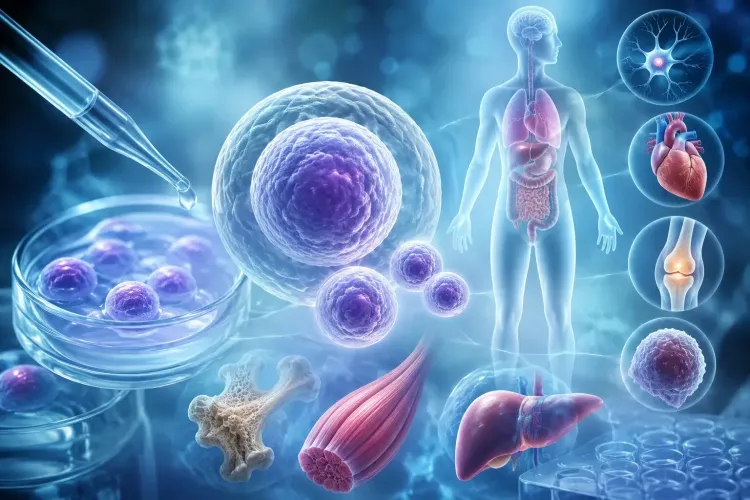
Cell and stem cell-derived products include regenerative treatments and CAR-T cell therapies, which have seen growing clinical use in treating blood cancers such as leukaemias and lymphomas. Gene therapeutic products — encompassing gene replacement and gene editing technologies — are used in managing genetic disorders and various cancers. Xenografts, which are animal tissue-derived products such as heart valves transplanted into humans, find application in cardiology and orthopaedics.
Why Centralised Oversight Matters
These technologies represent highly complex and rapidly evolving areas of medical science, the ministry noted, requiring enhanced regulatory scrutiny to ensure patient safety. The amendment is designed to bring uniformity in regulatory standards across all states, preventing a patchwork of approvals that could compromise quality or safety in any part of the country.
Notably, India's existing CLAA framework under the Drugs and Cosmetics Act has long governed high-risk biologicals. Extending it to gene and cell therapies aligns domestic rules with the direction taken by regulators in the United States, the European Union, and Japan, where advanced therapy medicinal products face dedicated, stringent licensing pathways.
What the Government Said
The ministry stated that the amendment will 'increase regulatory rigour for emerging technologies,' reinforcing India's framework 'in line with scientific advancements and global best practices.' The statement added: 'This initiative reflects the government's continued commitment towards safeguarding public health while promoting innovation and quicker adoption of latest technologies in healthcare and life sciences sectors.'
Impact on Industry and Patients
For manufacturers and research institutions developing advanced therapies, the amendment introduces a clearer — if more demanding — regulatory pathway. Centralised licensing typically means a single approval authority rather than state-by-state clearances, which can reduce ambiguity for developers. For patients, stricter oversight is intended to ensure that only rigorously evaluated products reach clinical use, particularly relevant as CAR-T and gene-editing therapies carry significant cost and risk profiles.
What Comes Next
The amendment takes effect under the authority of the existing Drugs and Cosmetics Act, and industry bodies are expected to seek operational clarity on transition timelines for products already in development or trial phases. With India's life sciences sector positioning itself as a global hub for biologics manufacturing, how swiftly and transparently the CLAA operationalises these expanded powers will be closely watched by both domestic developers and international partners.
Point of View
And India's approvals infrastructure has historically struggled with high-complexity biologics. The amendment sets the right intent; the follow-through — staffing, timelines, transparency of decisions — will determine whether it raises standards or merely adds a procedural layer.
NationPress
1 Oct 2026
Frequently Asked Questions
What changes did the government make to the Drugs Rules, 1945?
The Central Government amended the Drugs Rules, 1945 to include cell and stem cell-derived products, gene therapeutic products, and xenografts under the Centrally License Approving Authority (CLAA) framework. This means these advanced therapies will now require centralised joint oversight by central and state authorities, similar to vaccines and recombinant DNA medicines.
What is the Centrally License Approving Authority (CLAA) framework?
The CLAA framework operates under the Drugs and Cosmetics Act and provides joint regulatory supervision by central and state authorities for critical drugs and biological products. It already covered vaccines, large-volume parenterals, and recombinant DNA-based medicines before this amendment expanded its scope.
Which specific therapies are now covered under the new amendment?
The amendment covers CAR-T cell therapies and stem cell-based regenerative treatments (used in blood cancers), gene replacement and gene editing products (used in genetic disorders and cancers), and xenografts such as animal-derived heart valves used in cardiology and orthopaedics.
Why has the government brought these therapies under centralised regulation?
The Ministry of Health and Family Welfare cited the highly complex and rapidly evolving nature of these technologies as the primary reason. Centralised oversight is intended to ensure uniform safety and quality standards nationwide, preventing inconsistent approvals across different states.
How does this amendment align India with global regulatory practices?
Regulators in the United States, European Union, and Japan already maintain dedicated, stringent licensing pathways for advanced therapy medicinal products. By channelling gene and cell therapies through a single centralised authority, India moves closer to these international standards, which is significant for both patient safety and the country's ambitions as a global biologics manufacturing hub.