India well-placed to weather crude oil price surge, says WTC Chairman Vijay Kalantri
Synopsis
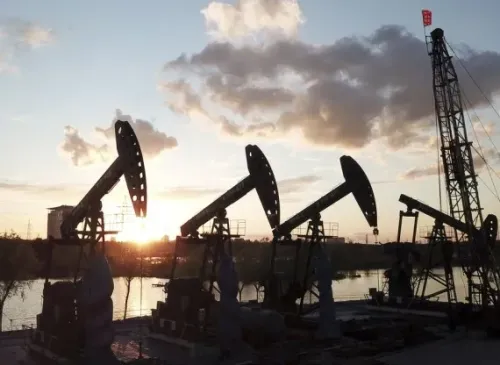
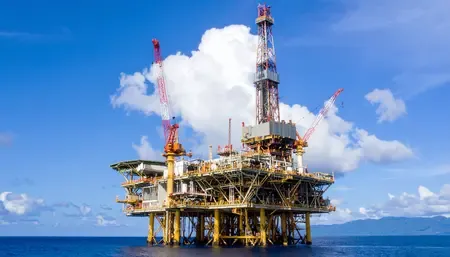
With crude oil crossing $78 a barrel after fresh US military action against Iran, World Trade Center Chairman Vijay Kalantri is urging calm — pointing out that India has weathered oil above $100 before and has the macroeconomic buffers to handle the current storm. The real question is how far the US-Iran standoff escalates.
Key Takeaways
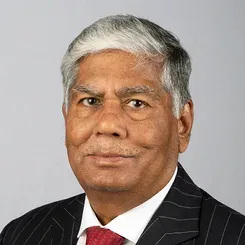
Vijay Kalantri , World Trade Center Chairman , said on 9 July that India has the resilience to handle rising crude oil prices and Middle East geopolitical tensions.
Crude oil prices have risen above $78 per barrel following fresh US military action against Iran .
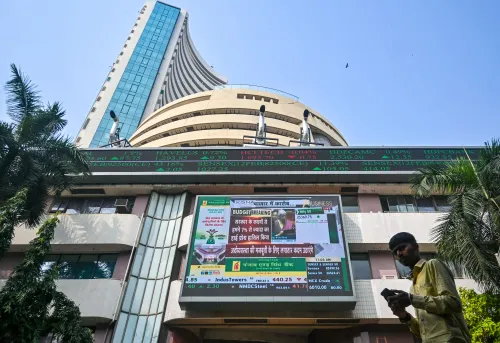
The spike has put the Indian rupee under pressure and weakened investor sentiment in equity markets.
Kalantri noted India has previously managed oil prices above $100 per barrel without structural damage to the economy.
He called for close monitoring of US-Iran developments while maintaining focus on economic stability rather than alarm.
Vijay Kalantri, Chairman of the World Trade Center (WTC), said on Thursday, 9 July that India possesses the economic resilience to absorb the impact of rising crude oil prices and escalating Middle East geopolitical tensions, and that there is no cause for alarm despite prevailing global uncertainty. His remarks came as crude oil prices climbed above $78 per barrel following fresh US military action against Iran, rattling global markets and putting the Indian rupee under pressure.
Market Pressure and the Crude Oil Spike
According to Kalantri, the escalation in US-Iran tensions has introduced fresh volatility across global financial markets. Crude oil breaching the $78 per barrel mark has weighed on investor sentiment, contributing to weakness in equity markets and currency stress for import-dependent economies like India.
'Higher crude oil prices could increase India's import bill and exert upward pressure on inflation, as the country imports a significant portion of its energy requirements,' Kalantri said.
Why India Need Not Panic
Kalantri was emphatic that the current situation does not warrant panic, drawing on India's track record through past energy shocks. 'India has successfully managed periods of much higher crude oil prices in the past, including when oil traded above $100 per barrel. The economy has demonstrated resilience during previous global crises and is capable of handling the present situation as well,' he noted.
This comes amid a broader pattern of global commodity volatility triggered by geopolitical flashpoints — from the 2022 Russia-Ukraine conflict to recurring Gulf tensions — each of which India has navigated without a structural economic breakdown. Notably, India has diversified its crude import sources in recent years, a buffer that analysts say reduces exposure to any single supply disruption.
Focus on Stability, Not Reaction
Kalantri urged policymakers and markets to stay focused on economic fundamentals rather than reacting with alarm to rapidly evolving developments. 'The situation is evolving, and we need to closely monitor developments over the coming days. But India has handled similar challenges before, and I believe the country is in a strong position to deal with the current uncertainty,' he said.
He added that the trajectory of the crisis will hinge on how the United States, Iran, and other global stakeholders respond in the days ahead — a fluid geopolitical equation that makes premature conclusions risky.
What to Watch Next
Markets and policymakers will be closely tracking crude oil price movements, any further escalation in US-Iran tensions, and the Reserve Bank of India (RBI)'s response to rupee pressure and potential inflationary pass-through. A sustained crude price spike beyond current levels could complicate India's fiscal arithmetic, particularly on the fuel subsidy and current account deficit fronts. For now, however, Kalantri's assessment reflects a measured confidence in India's macroeconomic buffers.
Point of View
But the current episode carries a distinct risk profile. The US-Iran confrontation is not a market-driven supply shock — it is a geopolitical escalation with unpredictable escalation ladders, and crude above $100 remains a live possibility if the standoff deepens. India's import diversification provides a partial cushion, but a sustained price surge would widen the current account deficit and complicate the RBI's inflation management at a time when domestic demand is still consolidating. The 'no panic' message is appropriate for now, but the window for complacency is narrow.
NationPress
8 Oct 2026
Frequently Asked Questions
Why are crude oil prices rising and how does it affect India?
Crude oil prices have risen above $78 per barrel following an escalation in US-Iran tensions triggered by fresh US military action. For India, which imports a significant share of its energy needs, higher crude prices raise the import bill and can push inflation upward.
What did WTC Chairman Vijay Kalantri say about India's economic resilience?
Kalantri said India has successfully navigated periods of even higher crude oil prices — including when oil traded above $100 per barrel — and that the economy is capable of handling the current uncertainty. He urged against panic and called for close monitoring of geopolitical developments.
How is the Indian rupee affected by the crude oil price spike?
The rise in crude oil prices above $78 per barrel has put the Indian rupee under pressure, as higher import costs increase dollar demand. This, combined with weak investor sentiment, has also contributed to softness in Indian equity markets.
What factors will determine how the situation evolves?
According to Kalantri, the trajectory depends on how the United States, Iran, and other global stakeholders respond in the coming days. Markets will also watch the RBI's response to any inflationary pass-through and rupee volatility.
Has India faced similar crude oil shocks before?
Yes. India has managed multiple episodes of high crude oil prices, including periods when oil traded above $100 per barrel during earlier global crises. Each time, the economy absorbed the shock without a structural breakdown, which Kalantri cites as grounds for measured confidence now.