India grants LoIs for 11 new Flying Training Organisations at AAI airports

Synopsis
India has greenlit 11 new Flying Training Organisations at AAI airports, set to add 750 pilot training slots a year — as airlines wait on 1,640 aircraft on order and CPL issuances hit their highest level in a decade. The 'Train in India, Fly in India' push is no longer just a slogan; it is being stress-tested against one of the world's fastest fleet expansions.
Key Takeaways
The Civil Aviation Ministry awarded Letters of Intent for 11 new FTOs across seven AAI airports on 5 August 2025 .
Annual pilot training capacity is set to rise by 750 cadets per year , adding to the existing 41 FTOs at 63 flying bases .
Training aircraft with Indian FTOs increased from 324 to 385 in two years, lifting annual flying hours by 25% .
CPL issuances reached 1,652 in 2025 — the highest in over a decade — up from 1,347 in 2024 .
Indian airlines have 1,640 aircraft on order , with 500 expected to join fleets over the next five years.
Minister Rammohan Naidu cited the HANSA-3 (NG) indigenous trainer as a step toward a self-reliant aviation training ecosystem.
The Civil Aviation Ministry on 5 August 2025 awarded Letters of Intent (LoIs) to establish 11 new Flying Training Organisations (FTOs) across seven Airports Authority of India (AAI) airports, in a move projected to add 750 cadet training slots per year to India's domestic pilot pipeline. The announcement marks a significant step in the government's effort to align training capacity with the country's rapidly expanding commercial aviation sector.
Scale of the Expansion
India currently has 41 Flying Training Organisations operating from 63 flying bases nationwide. The addition of 11 new FTOs will raise annual pilot training capacity by 750 cadets, directly addressing a structural gap between the supply of trained pilots and the accelerating pace of fleet induction by Indian carriers.
This follows the establishment of six new FTOs over the preceding two years. During that same period, the number of training aircraft with Indian FTOs rose from 324 to 385 — a gain that translated into a 25% increase in annual flying hours across the pilot training ecosystem.
CPL Issuances at a Decade High
The momentum in training infrastructure is already showing measurable results. Commercial Pilot Licences (CPLs) issued climbed from 1,347 in 2024 to 1,652 in 2025 — the highest figure in over a decade — with 2026 expected to record a further increase, according to the ministry.
What the Government Said
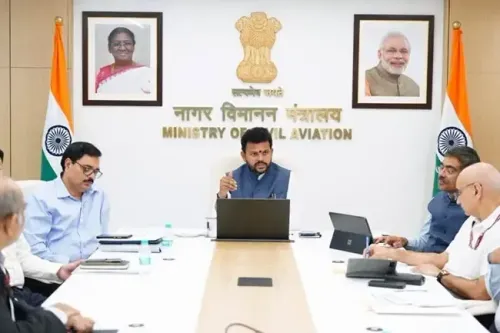
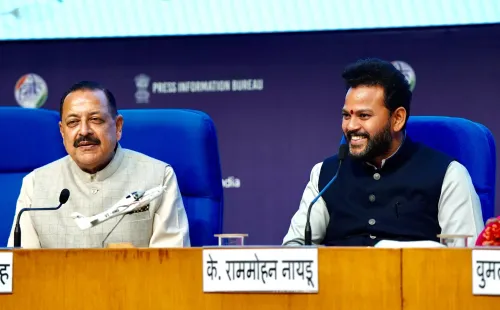
Civil Aviation Minister Rammohan Naidu framed the initiative within the broader policy goals of Viksit Bharat and Aatmanirbhar Bharat. 'Under the visionary leadership of Prime Minister Narendra Modi, India has emerged as one of the fastest-growing aviation markets in the world. We are simultaneously expanding aviation infrastructure and building a future-ready workforce to support the sector's long-term growth,' he said.
Naidu added that Indian airlines currently have 1,640 aircraft on order, with nearly 500 aircraft expected to be inducted over the next five years. 'Meeting this unprecedented growth requires a strong domestic pipeline of trained aviation professionals. Our vision is clear — Train in India, Fly in India,' he said.
The minister also highlighted progress on indigenous trainer aircraft development through the HANSA-3 (NG) programme, describing it as a key step towards a self-reliant aviation training ecosystem.
Why This Matters
India's civil aviation sector has been on a sustained growth curve, with passenger traffic and fleet size both expanding faster than domestic pilot supply. The structural shortfall has historically pushed airlines to recruit from abroad or defer inductions. Notably, this is the third consecutive year the ministry has accelerated FTO licensing, signalling a sustained policy commitment rather than a one-off push. With 500 new aircraft expected in the next five years, the pressure on the pilot pipeline is only set to intensify — making the 750-cadet annual addition a necessary, if incremental, response.
What Comes Next
The 11 new FTOs are expected to operationalise in phases across the seven designated AAI airports. The ministry has not yet disclosed a specific timeline for each facility to begin training operations. Alongside the FTO expansion, the progress of the HANSA-3 (NG) indigenous trainer aircraft will be closely watched as a longer-term indicator of India's self-sufficiency in aviation training infrastructure.
Point of View
640 aircraft on order and 500 inductions expected in five years — numbers that imply a pilot demand curve no incremental FTO push can fully meet on its own. India's CPL issuances at 1,652 in 2025 are a decade high, but the baseline was suppressed by years of under-investment in training infrastructure. The real question is whether the HANSA-3 (NG) indigenous trainer moves from ministerial talking point to operational fleet in time to matter, and whether the new FTOs can achieve high utilisation rates — something past expansions have struggled with given instructor shortages and airspace constraints at busy AAI airports.
NationPress
20 Sept 2026
Frequently Asked Questions
What are the 11 new Flying Training Organisations approved by India?
The Civil Aviation Ministry awarded Letters of Intent on 5 August 2025 for 11 new Flying Training Organisations (FTOs) to be set up across seven Airports Authority of India (AAI) airports. These will add 750 cadet training slots per year to India's existing pilot training capacity.
How many FTOs does India currently have?
India currently has 41 Flying Training Organisations operating from 63 flying bases across the country. The 11 new FTOs approved in August 2025 will expand this network further.
Why is India expanding pilot training capacity?
Indian airlines have 1,640 aircraft on order, with nearly 500 expected to be inducted over the next five years. The rapid fleet expansion has created an urgent need for a larger domestic pipeline of trained pilots to avoid reliance on foreign recruitment.
What is the 'Train in India, Fly in India' initiative?
It is the Civil Aviation Ministry's policy push to develop sufficient domestic pilot training infrastructure so that Indian carriers can source trained pilots from within the country. The initiative encompasses FTO expansion, increased CPL issuances, and indigenous trainer aircraft development through the HANSA-3 (NG) programme.
How many Commercial Pilot Licences were issued in 2025?
India issued 1,652 Commercial Pilot Licences (CPLs) in 2025, the highest number in over a decade, up from 1,347 in 2024. The ministry expects the figure to rise further in 2026.