India-EFTA TEPA: More than tariffs, pact locks in long-term business certainty
Synopsis
The India-EFTA TEPA, now in its first year, is being framed not as a tariff deal but as a long-term business stability pact — with EFTA committing $100 billion in FDI and a one-million-jobs target over 15 years. Commerce Secretary Rajesh Agrawal's pitch to exporters: build quality here for EFTA, and you're ready for any global market.
Key Takeaways
Commerce Secretary Rajesh Agrawal addressed Export Promotion Councils on 7 October 2026 , urging full use of India-EFTA TEPA opportunities.
TEPA entered into force on 1 October 2025 ; leaders of all four EFTA nations — Iceland, Liechtenstein, Norway, Switzerland — visited New Delhi for the first anniversary.
EFTA has extended concessions on 92.2% of tariff lines, covering 99.6% of India's exports, with full non-agricultural product coverage.
India's commitments cover 82.7% of tariff lines, representing 95.3% of EFTA exports.
EFTA states are committed to facilitating $100 billion in FDI into India over 15 years and supporting one million jobs in India within the same period.
Zero tariffs on several agricultural products in EFTA markets offer a significant opening for Indian agri-exporters.
Commerce Secretary Rajesh Agrawal on Wednesday, 7 October 2026, urged Indian exporters and industry bodies to fully leverage the opportunities created by the India-European Free Trade Association (EFTA) Trade and Economic Partnership Agreement (TEPA), describing the pact as a foundation for investment-led growth rather than a mere tariff-reduction exercise. Addressing Export Promotion Councils in New Delhi, Agrawal said the agreement has opened markets on both sides and created pathways for trade, investment, and supply-chain integration.
Key Provisions of the TEPA
The agreement, which entered into force on 1 October 2025, covers a sweeping share of bilateral trade. EFTA — comprising Iceland, Liechtenstein, Norway, and Switzerland — has extended concessions on 92.2% of its tariff lines, covering 99.6% of India's exports, with full coverage for non-agricultural products. India's commitments, in turn, cover 82.7% of tariff lines, accounting for 95.3% of EFTA exports.
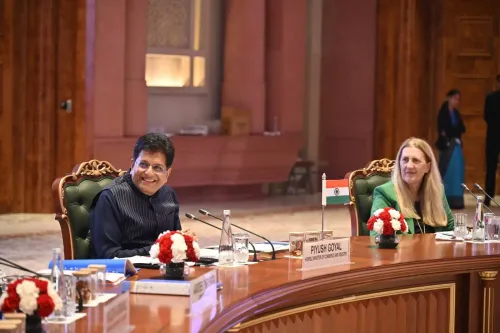
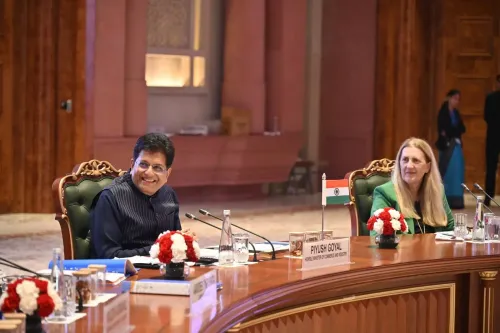
Leaders from all four EFTA member states were in the national capital this week to mark the first anniversary of TEPA's implementation and to chart the road ahead for the partnership.
Why Predictability Is the Real Prize
Agrawal was emphatic that the pact's most enduring value lies beyond duty cuts. 'The most important element for business is predictability. Tariffs will remain stable for the foreseeable future, with no surprises. Businesses can therefore make investments, build supply chains and plan for the future with confidence,' he said, addressing industry representatives.
He urged Indian companies to build integrated value chains with EFTA partners, spanning inputs all the way to finished products. 'If you are able to create quality products in this market, then you are ready for any other market,' he added.
Investment and Jobs Targets
Under TEPA, EFTA states have committed to facilitating $50 billion in foreign direct investment into India within the first 10 years of implementation, with an additional $50 billion over the subsequent five years. The agreement also includes a target to support the creation of one million jobs in India within 15 years. These are among the most explicit investment and employment pledges embedded in any free trade agreement India has signed.
Agriculture and Sectoral Opportunities
Agrawal specifically flagged the agriculture sector as a significant beneficiary, noting that tariffs on several agricultural products have been reduced to zero in EFTA markets. This provides Indian agri-exporters with a competitive entry point into high-income European markets that typically maintain protective trade barriers.
What This Means for Indian Industry
The TEPA comes at a moment when India is aggressively pursuing free trade agreements to diversify export destinations and attract foreign capital. EFTA nations, while smaller in population than the European Union, collectively represent some of the world's highest per-capita-income economies. Notably, Switzerland's role as a global financial and pharmaceutical hub makes the agreement particularly significant for Indian pharma, gems and jewellery, and financial services sectors. With the first anniversary celebration underway, the immediate focus will be on translating the agreement's legal framework into on-the-ground trade and investment flows.
Point of View
Moving from one-off concession bargaining toward structural, rules-based integration with high-income partners. The $100 billion FDI and one-million-jobs commitments are headline numbers, but their credibility depends entirely on the enforcement and verification mechanisms buried in the agreement's annexures. EFTA nations, particularly Switzerland, bring pharmaceutical, financial, and precision-manufacturing capital that India genuinely needs — but past FTA signings have often seen investment targets drift without accountability. The real test in year two is whether investment flows match the ambition, or whether TEPA becomes another well-announced agreement that underperforms on delivery.
NationPress
7 Oct 2026
Frequently Asked Questions
What is the India-EFTA TEPA and when did it come into force?
The India-European Free Trade Association (EFTA) Trade and Economic Partnership Agreement (TEPA) is a comprehensive trade and investment pact between India and the four EFTA nations — Iceland, Liechtenstein, Norway, and Switzerland. It entered into force on 1 October 2025 and covers tariffs, investment facilitation, and supply-chain integration across a wide range of sectors.
What tariff concessions has EFTA offered India under TEPA?
EFTA has extended concessions on 92.2% of its tariff lines, covering 99.6% of India's exports, with full coverage for non-agricultural products. India's commitments cover 82.7% of tariff lines, representing 95.3% of EFTA exports.
What are the FDI and jobs targets under the India-EFTA TEPA?
EFTA states have committed to facilitating $50 billion in foreign direct investment into India within the first 10 years of TEPA's implementation, and an additional $50 billion over the subsequent five years. The agreement also targets the creation of one million jobs in India within 15 years.
Which Indian sectors benefit most from the India-EFTA TEPA?
Non-agricultural products receive full tariff coverage, while the agriculture sector also benefits, with several products now facing zero tariffs in EFTA markets. Sectors such as pharmaceuticals, gems and jewellery, and financial services stand to gain particularly from Swiss and Norwegian market access.
Why does Commerce Secretary Rajesh Agrawal call TEPA more than a tariff deal?
Agrawal has emphasised that TEPA's core value is long-term business predictability — stable tariffs that allow Indian companies to plan investments, build supply chains, and scale operations with confidence. He described it as a foundation for investment-led growth rather than simply a duty-reduction arrangement.