India EV battery demand set to surge 10x to 200 GWh by 2032: IESA
Synopsis
India's EV battery market is on course for a tenfold expansion — from 20 GWh to 200 GWh by 2032 — and the IESA says the real prize is no longer just vehicle sales but the industrial ecosystem behind them: localised components, advanced chemistries, and resilient supply chains. With 2.5 million EVs sold in 2025 already, the inflection point is here.
Key Takeaways
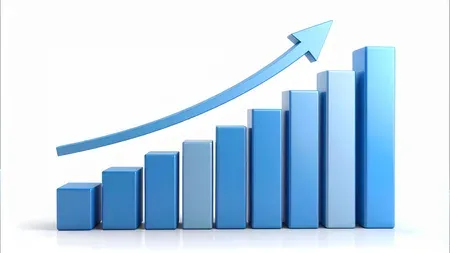
India's EV battery demand is projected to grow 10x — from 20 GWh in 2025 to 200 GWh by 2032 , according to the IESA .
India's EV sales crossed 2.5 million units in 2025 , including 1.5 million electric two-wheelers and 0.7 million electric three-wheelers .
The next growth phase is expected from passenger electric cars and light commercial fleets .
Commercial mobility electrification is accelerating in urban logistics , public transport , and fleet operations on TCO advantages.
The full report will be unveiled at India Energy Storage Week 2026 on 8–10 July 2026 at Yashobhoomi (IICC) , New Delhi, with 200+ exhibitors and 10,000+ industry leaders .
India's electric vehicle battery demand is projected to leap 10-fold — from 20 GWh in 2025 to 200 GWh by 2032 — as the country's EV market transitions from policy-driven adoption to a full-scale industrial ecosystem, according to a new report by the India Energy Storage Alliance (IESA). The findings signal a decisive shift in strategic value toward component localisation and supply-chain development.
Key Findings of the Report
The IESA report, titled 'India EV & EV Component Market Outlook 2025–2034', describes the market as approaching an inflection point. According to the report, the ecosystem is maturing to encompass batteries, motors, power electronics, advanced chemistries, localised manufacturing, and robust supply-chain investments — moving well beyond vehicle sales alone.
India's EV sales crossed 2.5 million units in 2025, comprising 1.5 million electric two-wheelers and 0.7 million electric three-wheelers. While electric two-wheelers continue to dominate volumes, the next growth phase is expected to be led by passenger electric cars and light commercial fleets.
What Industry Leaders Said
Debmalya Sen, President of the India Energy Storage Alliance (IESA), said: 'With India's EV market entering an era of unprecedented growth and battery demand projected to rise tenfold by 2032, the industry's next leap will be driven by localisation, advanced chemistry, and resilient supply chains.'
Vinayak Walimbe, Managing Director of Customized Energy Solutions, noted that the EV market's evolution from policy to industry is opening new frontiers for component manufacturing and supply-chain innovation.
Four-Wheeler and Commercial Segments to Accelerate
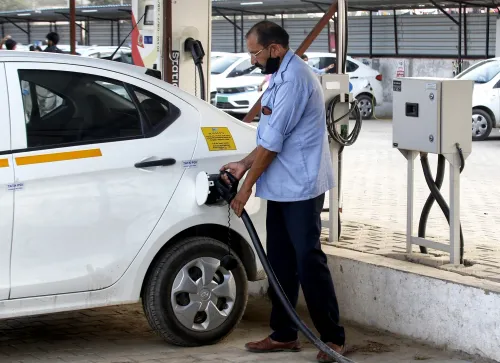
India's electric four-wheeler market is expected to grow significantly, supported by improved battery economics, expanding charging infrastructure, wider original equipment manufacturer (OEM) participation, and growing consumer acceptance. Electrification of commercial mobility is also accelerating — particularly in urban logistics, public transport, and fleet operations — where total cost of ownership (TCO) advantages are increasingly compelling.
Where the Report Will Be Unveiled
The full report is set to be released at India Energy Storage Week 2026, scheduled for 8–10 July 2026 at Yashobhoomi (IICC), New Delhi. The event is expected to host over 200 exhibitors and more than 10,000 industry leaders from across the globe, showcasing innovations in e-mobility, recycling, and supply-chain localisation.
As battery demand scales and localisation deepens, the coming years will test whether India's industrial base can convert this demand surge into durable domestic manufacturing capacity.
Point of View
But the harder question is whether India's manufacturing base can absorb it. Localisation targets have historically outpaced actual domestic production capacity — cell manufacturing remains nascent, and critical mineral supply chains are still heavily import-dependent. The IESA report frames this as an opportunity, but without binding localisation timelines and credible investment commitments from OEMs and cell makers, the 200 GWh figure risks becoming another aspirational benchmark. The commercial and fleet segment is the one to watch: TCO economics there are already compelling, and that is where demand could harden fastest into investable supply-chain decisions.
NationPress
19 Sept 2026
Frequently Asked Questions
What is India's EV battery demand forecast for 2032?
India's EV battery demand is projected to grow tenfold, from 20 GWh in 2025 to 200 GWh by 2032, according to a report by the India Energy Storage Alliance (IESA). The surge is expected to be driven by growth in passenger cars, commercial fleets, and deeper supply-chain localisation.
How many EVs did India sell in 2025?
India's EV sales crossed 2.5 million units in 2025, comprising 1.5 million electric two-wheelers and 0.7 million electric three-wheelers. Electric two-wheelers continue to lead volumes, but the next growth phase is expected from passenger cars and light commercial fleets.
What is the India Energy Storage Alliance (IESA)?
The India Energy Storage Alliance (IESA) is an industry body focused on energy storage, electric mobility, and related supply-chain ecosystems in India. It is releasing the 'India EV & EV Component Market Outlook 2025–2034' report at India Energy Storage Week 2026 in New Delhi.
When and where will the IESA EV market report be released?
The full report will be released at India Energy Storage Week 2026, scheduled for 8–10 July 2026 at Yashobhoomi (IICC) in New Delhi. The event is expected to draw over 200 exhibitors and more than 10,000 industry leaders globally.
Why is EV commercial mobility growing faster in India?
Electrification of commercial vehicles — particularly in urban logistics, public transport, and fleet operations — is accelerating because the total cost of ownership (TCO) advantages are increasingly compelling. Lower running costs and improving charging infrastructure are making electric fleets an economically attractive choice for operators.