India EV registrations surge 90% in Q1 FY27 to 82,737 units
Synopsis
India's passenger EV market nearly doubled in a single quarter — 82,737 registrations in Q1 FY27, up 90% year-on-year — and the West Asia conflict may be the unlikely catalyst. With fuel prices spiking and EV running costs holding steady, the ownership economics argument has never been sharper. Tata Motors more than doubled its EV volumes; the real question is whether this is a conflict-driven spike or a permanent inflection point.
Key Takeaways
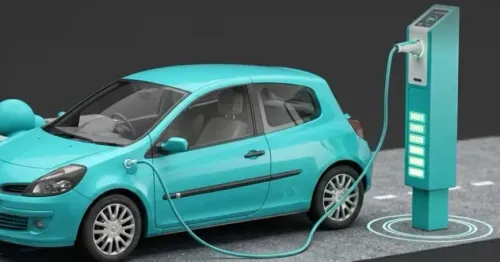
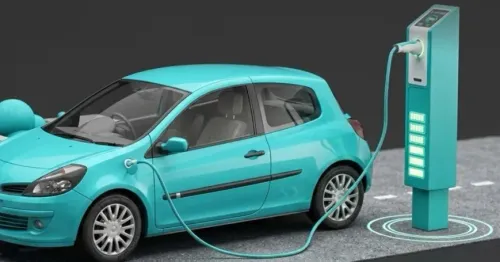
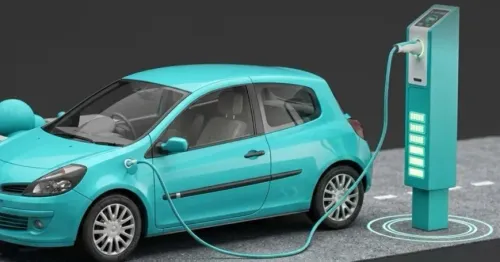
Electric passenger vehicle registrations in India rose 90 per cent year-on-year to 82,737 units in Q1 FY27 , up from 43,710 units a year earlier.
Tata Motors led with 32,283 EV registrations in Q1 FY27, a 104 per cent jump year-on-year; its Q1 EV sales surged 112 per cent to 34,467 units .
Mahindra and Mahindra nearly doubled EV registrations to 20,112 units from 10,144 units .
Hyundai Motor India was the outlier, with EV registrations falling to 1,386 units from 2,142 units a year earlier.
Industry executives cited elevated petrol, diesel, and CNG prices during the West Asia conflict as a key driver of EV demand.
Multiple automakers — including Tata Motors , Hyundai , Maruti Suzuki , and Mahindra — raised vehicle prices effective 1 July .
Electric passenger vehicle registrations in India nearly doubled in the April–June quarter (Q1 FY27), climbing 90 per cent year-on-year to 82,737 units, according to Vahan registration data. The sharp rise — up from 43,710 units in the same quarter last year — signals a structural shift in Indian consumer preference toward battery-powered mobility, accelerated by elevated fuel prices linked to the West Asia conflict.
Quarter-on-Quarter Momentum
Registrations built steadily through the quarter: 24,963 units in April, 27,320 units in May, and 30,454 units in June — a month-on-month progression that suggests demand was not front-loaded or driven by a single event. Industry executives attributed the sustained uptick to improved ownership economics, with electric vehicle running costs remaining largely stable even as petrol, diesel, and CNG prices climbed during the West Asia conflict.
Tata Motors and Mahindra Lead the Charge
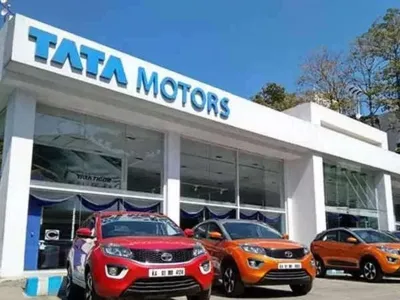
Tata Motors dominated the segment, registering 32,283 electric passenger vehicles in Q1 FY27 — a 104 per cent jump from 15,794 units a year earlier. The company's total passenger vehicle sales for June alone reached 63,083 units, up 69 per cent from 37,237 units in June of the previous year. For the full Q1 FY27 period, its passenger vehicle sales rose 46 per cent year-on-year to 1,82,574 units, with EV sales more than doubling to 34,467 units — a 112 per cent surge.
Mahindra and Mahindra also posted strong growth, with electric passenger vehicle registrations nearly doubling to 20,112 units from 10,144 units in the year-ago period. In contrast, Hyundai Motor India bucked the trend, with its electric passenger vehicle registrations declining to 1,386 units from 2,142 units a year earlier — a notable outlier in an otherwise buoyant market.
Why Fuel Prices Were the Tipping Point
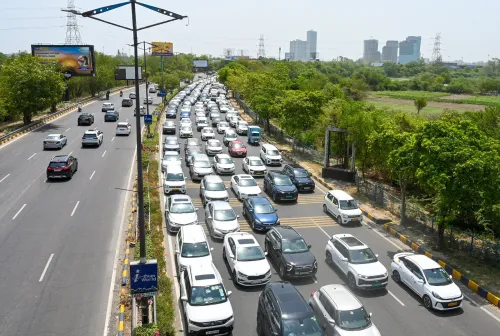
Industry executives pointed to the spike in petrol, diesel, and CNG prices during the West Asia conflict as a key catalyst. With conventional fuel costs elevated and EV running costs insulated from crude oil fluctuations, the total cost of ownership equation shifted meaningfully in favour of electric vehicles for a wider pool of buyers. This comes amid a broader backdrop of vehicle price revisions across the industry, with several automakers citing higher input costs, commodity prices, and operational expenses.
Price Hikes Across the Board
Effective 1 July, Tata Motors raised prices of its passenger vehicle portfolio — covering both internal combustion engine (ICE) and EV models — by up to 1.5 per cent, and commercial vehicle prices by up to 2.5 per cent. Hyundai Motor India announced a price increase of up to ₹12,800 across its vehicle range. Maruti Suzuki India raised prices by up to ₹30,000 across its model portfolio. Mahindra and Mahindra increased prices of its SUVs and commercial vehicles by up to 2.5 per cent, with an average hike of around 1.6 per cent across models.
Despite these hikes, the EV segment's growth trajectory heading into Q2 FY27 will be closely watched, particularly as global crude oil price volatility and domestic policy incentives continue to shape buyer calculus.
Point of View
But the West Asia conflict complicates the read: this may be as much a fuel-price shock response as a durable consumer shift. The more telling signal is the month-on-month acceleration within the quarter — April to June registrations rose sequentially, suggesting demand was not a one-time spike. Hyundai's decline amid a booming market deserves scrutiny; it points to a product-mix problem rather than a category headwind. The real test arrives when — and if — fuel prices normalise: whether EV registrations hold their level will determine whether Q1 FY27 was an inflection point or a war-premium blip.
NationPress
30 Sept 2026
Frequently Asked Questions
How many electric passenger vehicles were registered in India in Q1 FY27?
India registered 82,737 electric passenger vehicles in Q1 FY27 (April–June), a 90 per cent rise from 43,710 units in the same quarter the previous year, according to Vahan registration data.
Why did EV registrations surge in Q1 FY27?
Industry executives attributed the surge primarily to elevated petrol, diesel, and CNG prices during the West Asia conflict, which made electric vehicles — whose running costs remained stable — comparatively more attractive to buyers on a total cost of ownership basis.
Which automaker sold the most EVs in Q1 FY27?
Tata Motors led the segment with 32,283 electric passenger vehicle registrations in Q1 FY27, a 104 per cent year-on-year increase. Its Q1 EV sales figure of 34,467 units represented a 112 per cent surge.
Did all automakers benefit from the EV boom?
No. While Tata Motors and Mahindra and Mahindra posted strong growth, Hyundai Motor India was a notable exception — its electric passenger vehicle registrations fell to 1,386 units from 2,142 units a year earlier.
Have EV prices also gone up alongside the registration surge?
Yes. Effective 1 July , Tata Motors raised EV and ICE passenger vehicle prices by up to 1.5 per cent . Hyundai raised prices by up to ₹12,800 , Maruti Suzuki by up to ₹30,000 , and Mahindra and Mahindra by up to 2.5 per cent , citing higher input costs and commodity prices.