EV demand in India surges in May as fuel prices cross ₹8/litre hike
Synopsis
India's EV inflection point may have arrived — not because of a policy announcement, but because petrol crossed a pain threshold. With fuel up ₹8 a litre in April and crude above $100 for three straight months, consumers are voting with their wallets. Tata Motors' 85% EV sales jump and Ather's doubling of volumes in a single month suggest the demand shift is real, broad-based, and accelerating.
Key Takeaways
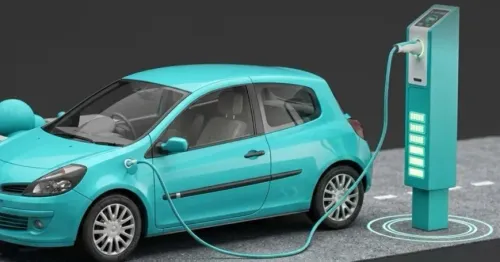
EV passenger vehicle penetration rose to 6.4 per cent in May 2025 , up from 4 per cent in FY26, per Nomura .
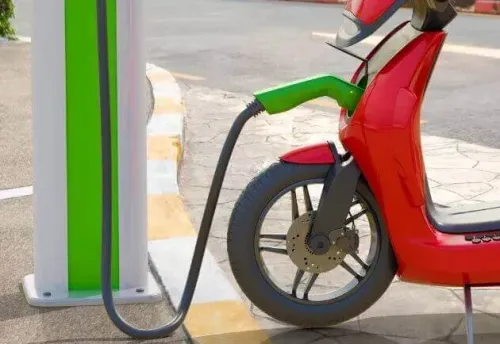
Electric two-wheeler penetration reached 8.9–9.3 per cent in May, according to Nomura and HSBC respectively.
Tata Motors reported an 85 per cent year-on-year EV sales increase, with bookings up 2.5 times in two months; capacity expansion planned from 10,000 to 15,000 units/month .
TVS Motor led the two-wheeler segment with ~42,000 registrations; Ather Energy more than doubled sales to reach a 16.5 per cent market share.
Petrol and diesel prices rose by ₹8 per litre in April; the Indian crude basket stayed above $100/barrel for three consecutive months amid the Middle East crisis .
Indian oil marketing companies are reportedly losing ₹550 crore per day as the government limits further fuel price hikes.
India's electric vehicle (EV) market posted a sharp rise in demand during May 2025, with higher fuel costs pushing consumers toward battery-powered alternatives, according to separate reports by Nomura and HSBC. The shift is being driven by petrol and diesel price hikes of around ₹8 per litre over a two-week period in April, triggered by the prolonged Middle East crisis and disruptions to the Strait of Hormuz.
EV Penetration Numbers
According to Nomura, EV sales reached 6.4 per cent of total passenger vehicle sales in May, up from 4 per cent in FY26. Electric two-wheelers accounted for 8.9 per cent of sales, compared with approximately 6.5 per cent the previous year. The brokerage noted that 'demand sentiment shifted more towards EVs which is continuing to gain traction.'
HSBC's report placed electric two-wheeler penetration at 9.3 per cent and electric passenger vehicle penetration at 6.6 per cent in May, broadly corroborating Nomura's findings. Both brokerages characterised the demand momentum as structural rather than transient.
Tata Motors the Biggest Beneficiary
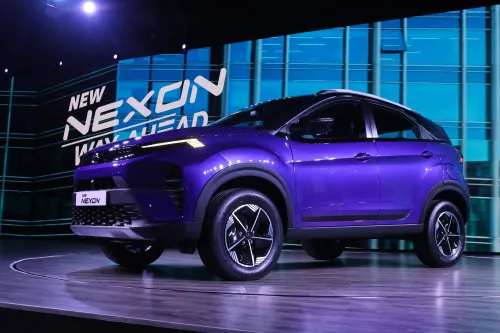
Tata Motors emerged as the primary beneficiary of the EV surge among carmakers. The company reported an 85 per cent year-on-year increase in EV sales, with EV bookings growing 2.5 times over the past two months. Nomura noted that demand is particularly strong in the sub-₹15 lakh segment, prompting Tata Motors to plan a capacity expansion from 10,000 units per month to 15,000 units.
Two-Wheeler Segment Leads the Charge
The demand shift was even more pronounced in the two-wheeler segment. TVS Motor retained its market leadership with approximately 42,000 electric scooter registrations in May. Bajaj Auto followed in second place, while Ather Energy posted a more-than-doubling of sales year-on-year, lifting its market share to 16.5 per cent, according to the Nomura report.
The Fuel Price Context
The Indian crude basket, which determines domestic fuel pricing, remained above $100 per barrel for three consecutive months through May, sustained by the prolonged Middle East crisis. The conflict has effectively choked the Strait of Hormuz, through which an estimated 20 per cent of the world's oil and gas exports transit. Continued uncertainty around US-Iran peace negotiations, compounded by repeated ceasefire breaches, has kept oil price expectations elevated.
Indian oil marketing companies are reportedly absorbing losses of ₹550 crore per day on petroleum product sales, as the government has held back further price hikes to shield consumers from the full impact.
Outlook
Nomura believes 'EVs are at an inflection point' in the Indian market, supported by favourable policy measures and growing consumer acceptance. Rising commodity costs remain a concern for manufacturers, but both brokerages expect demand to continue building. If oil prices remain elevated and the government sustains EV policy support, May's numbers may mark the beginning of a sustained acceleration rather than a one-month spike.
Point of View
But because the trigger is external and largely outside the government's control. Rising oil prices — driven by the Iran conflict and Strait of Hormuz disruptions — are doing what years of subsidy policy could not: creating genuine consumer urgency. The risk is that this demand surge exposes supply constraints; Tata Motors' planned capacity jump to 15,000 units a month is a start, but the two-wheeler segment's 42,000-unit monthly volumes from TVS alone signal that the infrastructure and manufacturing pipeline may lag the demand curve. Nomura's 'inflection point' call deserves scrutiny — India has been at supposed EV inflection points before. What is different this time is that the demand driver is a sustained macro shock, not a one-off incentive, which makes the momentum harder to reverse.
NationPress
22 Sept 2026
Frequently Asked Questions
Why did EV demand rise in India in May 2025?
EV demand rose in May 2025 primarily because petrol and diesel prices increased by around ₹8 per litre in April, making battery-powered vehicles more cost-attractive. The Indian crude basket remained above $100 per barrel for three consecutive months due to the prolonged Middle East crisis, sustaining the price pressure.
What share of vehicle sales were EVs in May 2025?
According to Nomura, EVs accounted for 6.4 per cent of passenger vehicle sales and 8.9 per cent of two-wheeler sales in May 2025. HSBC placed electric two-wheeler penetration at 9.3 per cent and electric passenger vehicle penetration at 6.6 per cent for the same month.
Which EV makers gained the most in May 2025?
Tata Motors was the biggest beneficiary in the passenger vehicle segment, posting an 85 per cent year-on-year EV sales increase. In two-wheelers, TVS Motor led with around 42,000 registrations, while Ather Energy more than doubled its sales year-on-year, reaching a 16.5 per cent market share.
How is the Iran conflict affecting fuel prices in India?
The prolonged Middle East crisis has disrupted oil flows through the Strait of Hormuz, through which about 20 per cent of global oil and gas exports pass. This has kept the Indian crude basket above $100 per barrel for three straight months, pushing up domestic fuel costs and creating uncertainty about further price hikes.
Are Indian oil companies losing money on fuel sales?
Yes, according to reports, Indian oil marketing companies are absorbing losses of approximately ₹550 crore per day on petroleum product sales, as the government has restrained further retail price increases to protect consumers from the full impact of elevated global crude prices.