India issues 1,331 commercial pilot licences in Jan–June 2026, 41% trained abroad

Synopsis
India certified 1,331 new commercial pilots in just six months of 2026 — but nearly 4 in 10 had to train overseas, exposing a structural gap in domestic flying school capacity even as Indian airlines race to expand their fleets and networks.
Key Takeaways
The DGCA issued 1,331 Commercial Pilot Licences between January and June 2026 .
791 licences went to cadets trained at Indian FTOs; 540 to those trained at foreign flying schools — roughly a 59:41 split .
Full-year CPL issuance rose from 1,165 in 2022 to 1,652 in 2025 , reflecting sustained growth.
India has 41 DGCA-approved FTOs across 63 bases with over 400 training aircraft , with capacity for around 3,500 students at a time.
The government has simplified FTO approvals and revised training regulations to improve domestic pilot output.
India issued 1,331 Commercial Pilot Licences (CPLs) in the first half of 2026 (January–June), with approximately 41 per cent of newly certified pilots having completed their training at overseas flying schools, according to data presented to Parliament. The figures underscore both the scale of India's aviation expansion and the continued reliance on foreign training infrastructure to meet surging domestic demand.
Breakdown of Licences Issued
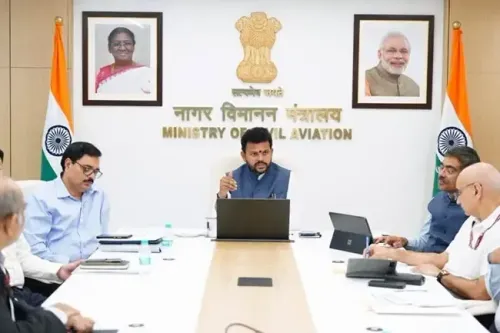
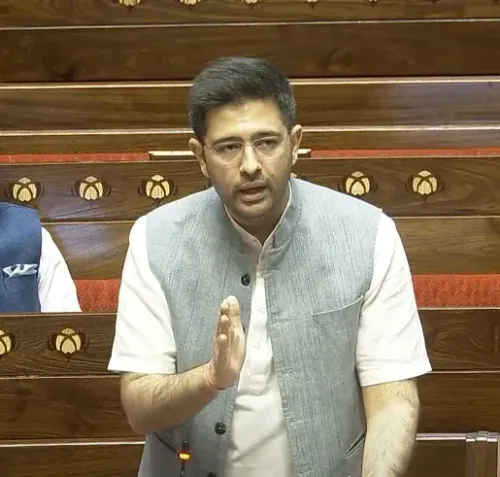
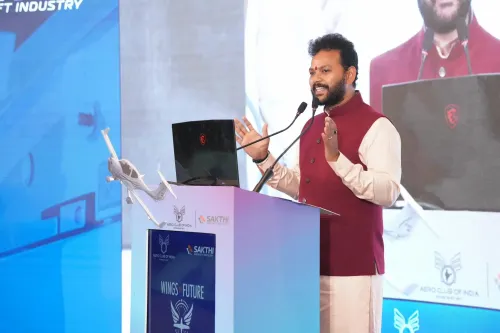
In a written reply to the Rajya Sabha, Union Minister of State for Civil Aviation Murlidhar Mohol stated that the Directorate General of Civil Aviation (DGCA) had, as of 30 June 2026, issued licences to 791 cadets trained at Indian Flying Training Organisations (FTOs) and 540 cadets trained at foreign FTOs. The domestic-to-overseas split — roughly 59:41 — highlights a structural gap in India's home-grown pilot training capacity relative to industry demand.
Year-on-Year Trend in CPL Issuance
The half-year figure of 1,331 licences compares favourably against full-year totals in recent years. According to the minister, the DGCA issued 1,652 CPLs in 2025, 1,347 in 2024, 1,622 in 2023, and 1,165 in 2022. The upward trajectory reflects sustained growth in pilot certification, though year-to-year variation also points to capacity constraints and regulatory processing cycles.
India's Flying Training Ecosystem
India currently has 41 DGCA-approved Flying Training Organisations operating across 63 bases, with a combined fleet of more than 400 training aircraft. Under DGCA norms, FTOs must maintain an aircraft-to-instructor-to-student ratio of 1:1:10, giving the existing infrastructure capacity to accommodate approximately 3,500 student pilots at any given time. Notably, this training capacity has not kept pace with the accelerating pace of fleet inductions by Indian carriers.
Government Steps to Boost Pilot Training
The government has undertaken several measures to strengthen the pilot training pipeline, including simplifying the approval and oversight process for FTOs and revising training regulations to improve operational efficiency and throughput. These reforms are aimed at reducing the dependence on foreign training institutions, which adds cost and time to the certification pipeline for aspiring Indian pilots.
Context: Aviation Sector Expansion
The data arrives against a backdrop of rapid fleet expansion by Indian airlines, which have placed large aircraft orders and are aggressively growing their domestic and international networks. This growth is expected to generate demand for thousands of additional pilots over the next several years, making the health of the pilot training ecosystem a critical national aviation policy concern. This comes amid India's broader ambition to become one of the world's largest civil aviation markets by the end of the decade.
Point of View
331 CPLs in six months looks robust, but the 41 per cent overseas-training share is the more telling figure. It signals that India's 41 approved FTOs — with capacity for just 3,500 students — are not scaling fast enough to match the fleet-expansion ambitions of IndiGo, Air India, and their peers. Regulatory simplification is a welcome step, but without a significant increase in FTO approvals, training aircraft, and qualified instructors, the domestic pipeline will remain a bottleneck. The cost burden of overseas training also falls disproportionately on aspirants without institutional backing, raising access and equity questions that policy has not yet squarely addressed.
NationPress
21 Jul 2026
Frequently Asked Questions
How many Commercial Pilot Licences did India issue in the first half of 2026?
India issued 1,331 Commercial Pilot Licences (CPLs) between January and June 2026, according to data shared by the Ministry of Civil Aviation in the Rajya Sabha. Of these, 791 were issued to cadets trained domestically and 540 to those trained at foreign flying schools.
What percentage of newly licensed pilots in 2026 trained abroad?
Approximately 41 per cent of the 1,331 pilots licensed in the first half of 2026 received their training at overseas Flying Training Organisations. The remaining 59 per cent trained at DGCA-approved institutions within India.
How does 2026's pilot licensing pace compare to previous years?
India issued 1,652 CPLs in full-year 2025, 1,347 in 2024, 1,622 in 2023, and 1,165 in 2022. The 1,331 licences issued in just the first six months of 2026 suggest the full-year 2026 total could surpass the 2025 figure.
How many Flying Training Organisations does India currently have?
India has 41 DGCA-approved Flying Training Organisations operating across 63 bases with a fleet of more than 400 training aircraft . Under current norms, this infrastructure can accommodate around 3,500 student pilots at any given time.
Why is pilot licensing data significant for India's aviation sector?
Indian airlines are in the midst of aggressive fleet expansion, placing large aircraft orders and growing their networks. This is driving strong demand for thousands of additional pilots in the coming years, making the pace and capacity of pilot certification a key indicator of whether the sector can sustain its growth trajectory.