Semicon India 2026: Ashwini Vaishnaw says $12 billion secured under Semicon 2.0
Synopsis
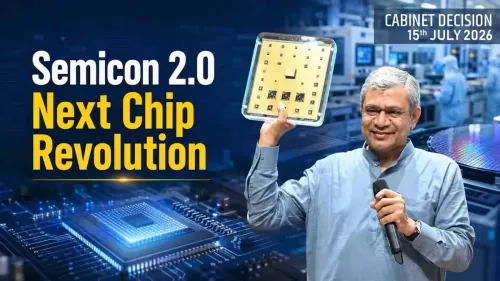
India's Semicon 2.0 has crossed a critical threshold: $11–12 billion in investment pledges, anchor deals by Tata Electronics in Dholera, and a ₹1.27 lakh crore government outlay. With global chip supply chains being redrawn, India is positioning itself as a credible alternative — and for the first time, the commitments suggest the world is taking that bet seriously.
Key Takeaways
Ashwini Vaishnaw announced $11–12 billion in investment commitments under Semicon 2.0 at Semicon India 2026 on 17 September 2026 .
Semicon 2.0 carries an outlay of ₹1.27 lakh crore and covers chip design, fabs, advanced packaging, R&D, and talent development.
Tata Electronics signed deals with Ascendas First Space , Fujifilm , and JSR Corporation to build the supplier ecosystem around its Dholera, Gujarat fab.
The scheme could attract up to ₹4 lakh crore in total investment and enable ₹2 lakh crore in semiconductor production, according to a recent industry report.
Fiscal incentives include 40% capex support for silicon fabs and up to 75% combined Centre-and-state support for R&D and talent initiatives.
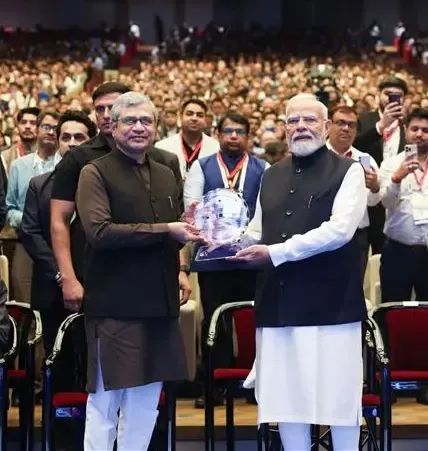
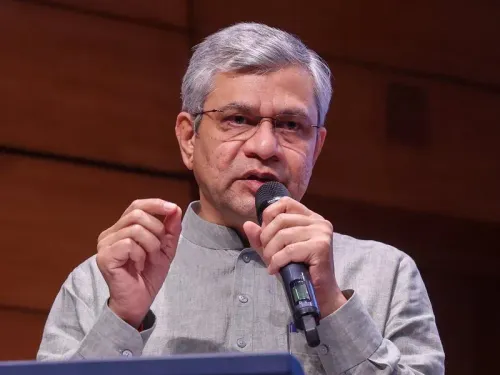
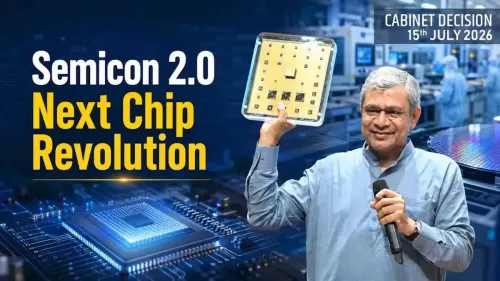
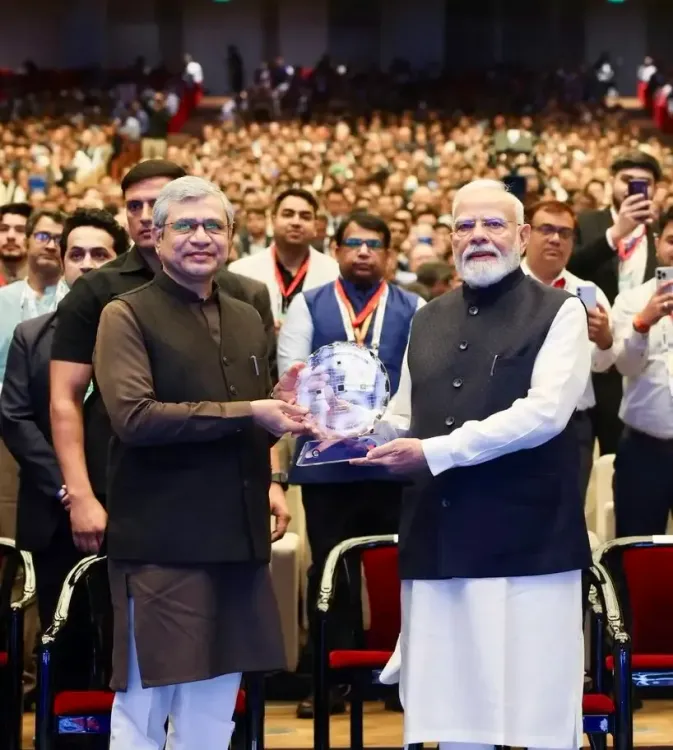
Union Electronics and IT Minister Ashwini Vaishnaw on Thursday, 17 September 2026, announced that the Central government has secured investment commitments of $11–12 billion under Semicon 2.0, the second phase of India's flagship semiconductor programme. The minister made the disclosure at Semicon India 2026 in New Delhi, signalling that the country's semiconductor ambitions are attracting serious global capital.
What Semicon 2.0 Covers
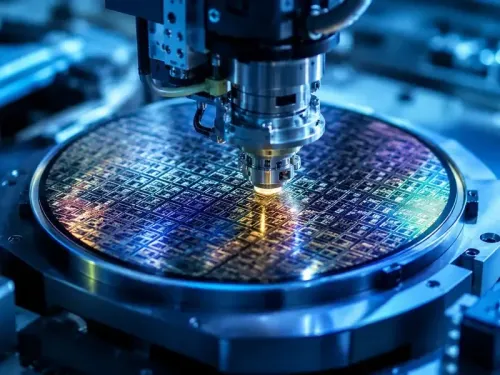
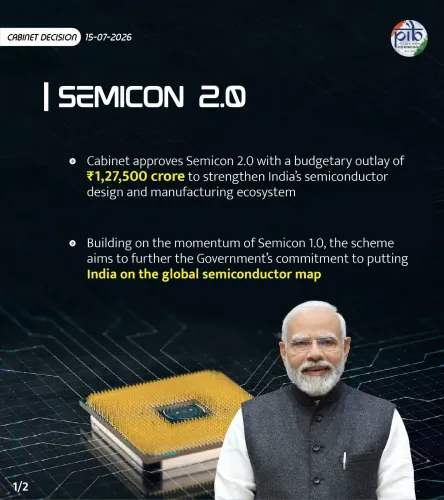
Semicon 2.0 was approved with an outlay of ₹1.27 lakh crore and targets chip design, equipment and materials, semiconductor fabs, advanced packaging, research and development, and talent development. According to the minister, the investment pledges secured so far span semiconductor equipment, materials, gases, chemicals, and substrates, with commitments expected to materialise over the next two to three years.
Analysts estimate the broader scheme could attract approximately ₹4 lakh crore in total investment and enable around ₹2 lakh crore of semiconductor production over the scheme period, according to a recent industry report. The programme is also designed to build depth across design, manufacturing, supply chains, and talent pipelines.
Key Deals Signed at the Summit
Tata Electronics was among the headline signatories at the event, inking a deal with Ascendas First Space to develop a 363-acre vendor park aimed at strengthening the supplier ecosystem around its semiconductor fab in Dholera, Gujarat. The company also signed agreements with Fujifilm for the localisation of critical semiconductor materials, and with JSR Corporation for photoresists and advanced chemicals to support the Dholera facility.
What the Government Said on Location Choices
Vaishnaw acknowledged that the ultimate decision on where semiconductor projects are based rests with the companies themselves. 'Industry chooses the location depending upon where they feel more comfortable, how much policy certainty they see, what kind of support they see from governments, from the other ecosystem fields,' he said at the summit.
The statement reflects a competitive global environment in which countries including the United States, Japan, and the European Union are all courting semiconductor investment with substantial fiscal packages of their own.
Fiscal Incentives on the Table
India's incentive architecture under Semicon 2.0 includes 40% capital expenditure support for silicon fabs on a pari-passu basis, and up to 75% combined Centre-and-state support for research and development and talent initiatives. These are among the most competitive incentive ratios offered by any major economy, and are designed to close the cost gap that has historically made India a second choice for high-capital semiconductor investments.
Why This Moment Matters
India has long aspired to a meaningful role in the global semiconductor supply chain, but concrete investment pledges of this scale mark a qualitative shift from intent to execution. This comes amid a global push to diversify chip manufacturing away from Taiwan and South Korea, a trend accelerated by post-pandemic supply-chain disruptions and rising geopolitical tensions in the Indo-Pacific. The Dholera deals, in particular, signal that a credible supplier ecosystem — a critical missing piece in India's earlier semiconductor bids — is beginning to take shape.
With guidelines in place and anchor investments committed, the next test for Semicon 2.0 will be the speed and quality of on-ground execution over the next two to three years.
Point of View
But the harder question is whether India can convert pledges into operational fabs at the pace global supply-chain realignment demands. The Tata-Dholera ecosystem deals are a positive structural signal — a supplier park and localised materials sourcing are exactly what has been missing from India's semiconductor bids since the first phase. Yet the 40% capex incentive, while competitive, still trails the effective subsidy rates in the US CHIPS Act and Japan's Rapidus programme. India's window is real but not indefinite: execution speed over the next two to three years will determine whether Semicon 2.0 becomes a genuine inflection point or another well-funded near-miss.
NationPress
17 Sept 2026
Frequently Asked Questions
What is Semicon 2.0 and how much has India invested in it?
Semicon 2.0 is the second phase of India's national semiconductor programme, approved with a government outlay of ₹1.27 lakh crore. It targets chip design, equipment and materials, semiconductor fabs, advanced packaging, R&D, and talent development across the semiconductor value chain.
How much investment has Semicon 2.0 attracted so far?
Union Minister Ashwini Vaishnaw announced on 17 September 2026 that India has secured investment commitments of $11–12 billion under Semicon 2.0. These pledges span semiconductor equipment, materials, gases, chemicals, and substrates, and are expected to materialise over the next two to three years.
What deals did Tata Electronics sign at Semicon India 2026?
Tata Electronics signed three agreements at the summit: a deal with Ascendas First Space to develop a 363-acre vendor park near its Dholera fab in Gujarat, a pact with Fujifilm for localisation of critical semiconductor materials, and an agreement with JSR Corporation for photoresists and advanced chemicals.
What fiscal incentives does India offer under Semicon 2.0?
India offers 40% capital expenditure support for silicon fabs on a pari-passu basis under Semicon 2.0. Additionally, R&D and talent initiatives can receive up to 75% combined support from the Centre and state governments.
Why is India's semiconductor push significant for the global supply chain?
Global chip supply chains are being actively diversified away from Taiwan and South Korea following pandemic-era disruptions and rising geopolitical tensions. India's Semicon 2.0 investment pledges, anchor fab projects in Dholera, and an emerging supplier ecosystem position it as a credible alternative manufacturing destination at a pivotal moment in that global restructuring.