India clears EU export hurdle for aquaculture, honey and eggs beyond September 2026
Synopsis
India has secured a critical export authorisation from the European Union, ensuring uninterrupted access for aquaculture products, honey, eggs, and animal casings beyond September 2026 under a toughened antimicrobial-resistance framework. With Indian fisheries exports to the EU alone worth $1.59 billion, the clearance protects one of the country's most valuable agri-trade corridors.
Key Takeaways
India has been included on the EU's authorised-countries list for exporting aquaculture products , eggs , honey , and animal casings beyond September 2026 .
The EU amended Regulation (EU) 2021/405 to address antimicrobial resistance concerns; the revised rules take effect from September 2026 .
Indian fish and fishery product exports to the EU are currently valued at approximately $1.59 billion .
The Department of Commerce , Export Inspection Council (EIC) , and MPEDA coordinated to strengthen India's Official Control System in line with EU standards.
Continued compliance monitoring and coordination with EU-approved establishments will follow ahead of the September 2026 implementation date.
India has been formally included on the list of countries authorised to export aquaculture products, eggs, honey, and animal casings to the European Union beyond September 2026, the Ministry of Commerce & Industry announced on Monday, 8 June. The clearance comes under an amended EU regulatory framework — Regulation (EU) 2021/405 — which introduces additional requirements for countries exporting specified animal-origin products to the EU market.
What the Amended EU Regulation Requires
The European Union revised Regulation (EU) 2021/405 primarily to address growing concerns around antimicrobial resistance in animal-origin food products. The updated rules, which take effect from September 2026, set stricter standards for inspection, testing, and certification that exporting nations must meet to retain market access. India's inclusion in the authorised-countries list confirms that its regulatory systems satisfy these elevated benchmarks.
Why This Matters for Indian Exporters
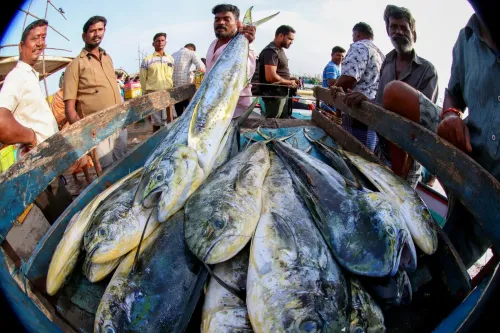
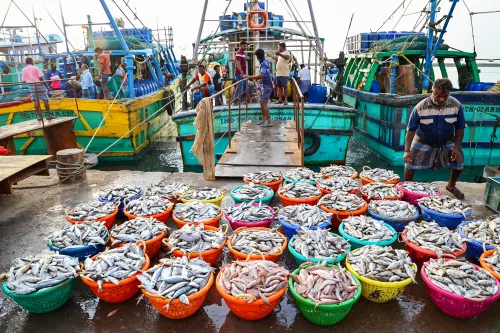
The development carries the greatest weight for India's fisheries sector. Fish and fishery product exports from India to the EU are currently valued at approximately $1.59 billion, making the EU one of the most critical destination markets for Indian seafood. Any disruption to this access post-September 2026 could have had significant economic consequences for exporters, processing units, and fishing communities along India's coastline.
Beyond fisheries, the clearance also protects export pipelines for eggs, honey, and animal casings — sectors that, while smaller in EU-bound volume, form important income streams for agricultural producers and small-scale processors.
How India Secured the Clearance
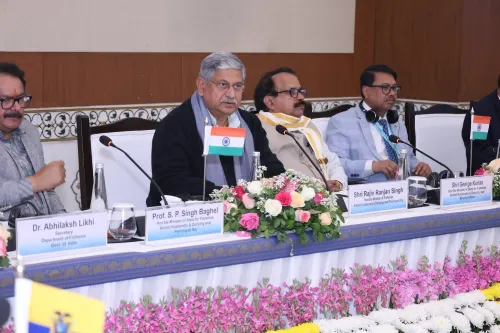
According to the ministry statement, the Department of Commerce maintained sustained engagement with the European Commission to address regulatory requirements and resolve market access concerns. Working in close coordination with the Export Inspection Council (EIC) and the Marine Products Export Development Authority (MPEDA), India strengthened its Official Control System through enhanced inspection protocols, testing infrastructure, and certification mechanisms aligned with EU standards.
The ministry credited this multi-agency coordination as a decisive factor in securing the authorisation ahead of the regulatory deadline.
What Happens Next
The Department of Commerce, the EIC, and MPEDA have stated they will continue working with EU-approved establishments and regulatory authorities to ensure smooth implementation of the new requirements. The ministry noted that India's inclusion will 'facilitate continued market access for Indian exporters, support trade growth and create new opportunities across the concerned sectors.' As the September 2026 effective date approaches, exporters will need to ensure their facilities and documentation remain fully compliant with the revised EU framework.
Point of View
But it should not obscure the underlying pressure: the EU is steadily raising the bar on food-safety standards, and India's export apparatus must keep pace or risk losing access to a $1.59 billion fisheries market. The multi-agency coordination between the Department of Commerce, EIC, and MPEDA is commendable, but the harder test lies in consistent on-ground compliance — particularly among the smaller processing units and fishing cooperatives that dominate India's seafood supply chain. Past instances of EU consignment rejections for antibiotic residues remain a cautionary backdrop. The authorisation buys continuity; it does not guarantee it.
NationPress
19 Sept 2026
Frequently Asked Questions
What has India been authorised to export to the EU beyond September 2026?
India has been authorised to export aquaculture products, eggs, honey, and animal casings to the European Union beyond September 2026 under the amended Regulation (EU) 2021/405. The clearance ensures uninterrupted market access for these animal-origin products after the revised EU rules take effect.
Why did the EU amend Regulation (EU) 2021/405?
The EU amended the regulation primarily to address concerns about antimicrobial resistance in animal-origin food products. The revised framework introduces stricter inspection, testing, and certification requirements that exporting countries must satisfy to retain access to the EU market from September 2026.
How significant is the EU market for India's fisheries sector?
The EU is a major destination for Indian seafood, with fish and fishery product exports currently valued at approximately $1.59 billion. Any loss of authorisation post-September 2026 would have posed a serious risk to exporters, processing units, and fishing communities dependent on this trade corridor.
Which Indian agencies were involved in securing the EU clearance?
The Department of Commerce led engagement with the European Commission, working in close coordination with the Export Inspection Council (EIC) and the Marine Products Export Development Authority (MPEDA). Together, they strengthened India's Official Control System to align with the updated EU regulatory standards.
What must Indian exporters do ahead of the September 2026 deadline?
Indian exporters must ensure their facilities, testing protocols, and certification documentation remain fully compliant with the revised EU framework before September 2026. The Department of Commerce, EIC, and MPEDA have committed to continued coordination with EU-approved establishments to support smooth implementation.