EU includes India in revised aquaculture export list, securing $1.59bn trade
Synopsis
India's seafood industry dodged a major market disruption. After being left out of a critical EU regulation in October 2024 that would have barred Indian aquaculture exports from September 2026, India has now been included in the EU's revised draft list — validating a $1.593 billion trade relationship and the regulatory overhaul that made it possible.
Key Takeaways
India has been included in the EU's revised draft list for continued aquaculture product exports, confirmed on 14 May .
The inclusion addresses India's earlier omission from the EU Implementing Regulation of 4 October 2024 , which had threatened exports from September 2026 .
The EU is India's third-largest seafood export market , accounting for 18.94% of total export value at $1.593 billion in 2025–26 .
Indian seafood exports to the EU grew 41.45% in value and 38.29% in quantity over 2024–25 .
MPEDA and the Export Inspection Council (EIC) led the regulatory compliance push that secured the inclusion.
Formal adoption by the European Commission remains pending before the revised regulation takes legal effect.
The Commerce Ministry on Thursday, 14 May confirmed that India has been included in the European Union's revised draft list of third countries authorised to export aquaculture products to the EU market — a development that secures the continuity of a trade relationship worth $1.593 billion annually. The inclusion directly addresses India's earlier omission from an EU implementing regulation issued on 4 October 2024, which had threatened to cut off Indian seafood exports to Europe from September 2026.
What the Revised EU Regulation Changes
The revised draft regulation, once formally adopted by the European Commission, is expected to ensure uninterrupted access for Indian aquaculture products to the EU market beyond September 2026. The earlier Implementing Regulation (EU) of 4 October 2024 had not listed India among the approved third countries for export of animal-origin products intended for human consumption — an omission that alarmed India's seafood industry and triggered sustained diplomatic and technical engagement.
Why the EU Backed India's Inclusion
According to the Commerce Ministry's statement, India's proposed inclusion reflects the EU's confidence in India's regulatory architecture — specifically its veterinary medicinal product controls, antimicrobial residue monitoring, traceability systems, and quality assurance frameworks in aquaculture production and seafood processing. The outcome is attributed to coordinated efforts by the Department of Commerce, the Marine Products Export Development Authority (MPEDA), and the Export Inspection Council (EIC) in strengthening compliance and promoting responsible aquaculture practices.
Scale of India's EU Seafood Trade
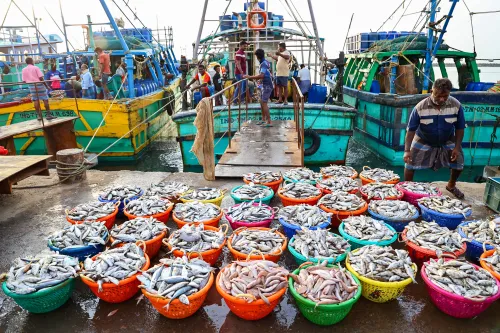
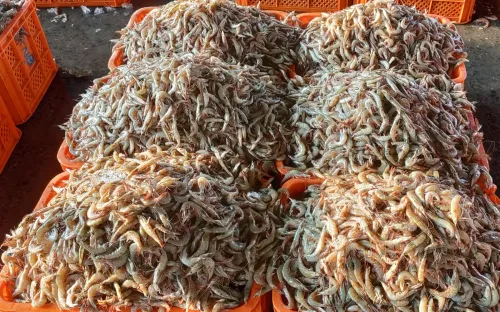
The stakes are significant. During 2025–26, the EU emerged as the third-largest market for Indian seafood exports, accounting for 18.94% of total export value. Exports to the EU recorded sharp growth over 2024–25, with export value rising by 41.45% and quantity by 38.29%. Farmed shrimp continues to constitute the dominant share of shipments to the region, making the EU's regulatory stance particularly consequential for shrimp-farming states such as Andhra Pradesh, Gujarat, and Odisha.
Broader Impact on India's Seafood Sector
The proposed inclusion is expected to support export growth, employment generation, and foreign exchange earnings from the seafood sector. Notably, this is not merely a trade win — it is a regulatory endorsement. The EU's approval process is among the most stringent globally, and India's inclusion signals that its food safety and traceability standards are considered credible by one of the world's most demanding import regimes. The formal adoption of the regulation by the European Commission remains the final step before the inclusion takes legal effect.
Point of View
But the underlying story is the fragility it exposed. A single implementing regulation in October 2024 — from which India was simply omitted — was enough to put $1.593 billion in annual trade at risk. That the resolution required months of technical engagement between MPEDA, the EIC, and EU authorities underlines how dependent India's seafood sector is on the goodwill of foreign regulators. The 41% export value growth to the EU in 2024–25 makes continued access non-negotiable — but it also raises the stakes for any future compliance lapse. India's food safety architecture is improving, but one residue violation or traceability failure can undo years of regulatory credibility in markets this demanding.
NationPress
27 Sept 2026
Frequently Asked Questions
Why was India at risk of losing EU aquaculture export access?
An EU Implementing Regulation issued on 4 October 2024 did not include India among third countries authorised to export animal-origin products to the EU, which would have barred Indian aquaculture exports from September 2026. India's subsequent inclusion in the revised draft list corrects that omission.
What is the value of India's seafood exports to the EU?
During 2025–26, India's seafood exports to the EU were worth $1.593 billion, making the EU the third-largest market for Indian seafood and accounting for 18.94% of total export value.
What role did MPEDA and the EIC play in securing India's inclusion?
The Marine Products Export Development Authority (MPEDA) and the Export Inspection Council (EIC), under the Department of Commerce, led sustained technical engagement and regulatory cooperation with EU authorities, strengthening India's compliance systems on residue monitoring, traceability, and quality assurance.
When will the revised EU regulation take effect for Indian exporters?
The revised draft regulation must first be formally adopted by the European Commission. Once adopted, it is expected to ensure uninterrupted Indian aquaculture exports to the EU beyond September 2026.
Which Indian aquaculture products are most affected by this development?
Farmed shrimp constitutes the dominant share of India's aquaculture exports to the EU, making shrimp-farming states such as Andhra Pradesh, Gujarat, and Odisha the most directly affected by the EU's market access decision.