India-UK trade pact: India seeks Scotch whisky tariff fix
Synopsis
India says its Scotch whisky tariff commitment under the UK trade pact stands, but some bulk imports enter under a different customs code from the one negotiators had expected. The government is seeking legal advice on a fix that respects earlier court rulings.
Key Takeaways
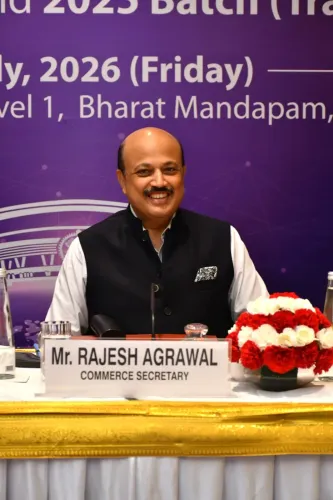
Commerce Secretary Rajesh Agrawal said on 23 November that India's Scotch whisky tariff commitment under CETA remained unchanged.
India negotiated concessions expecting bulk Scotch imports under HSN code 220830 , according to Agrawal.
Authorities later found some bulk Scotch imports also entered under residual code 220890 , which has different tariff treatment.
Agrawal said a 1991 Bombay High Court ruling and later Delhi High Court judgments backed the industry's classification position and were upheld by the Supreme Court.
The government is seeking legal opinions on a fix consistent with existing court orders, Agrawal said.
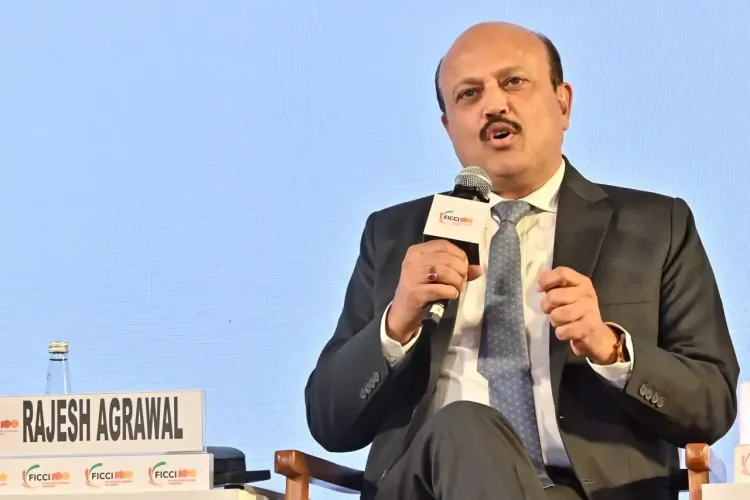
India on 23 November rejected suggestions that it was withdrawing Scotch whisky tariff concessions under the India-UK Comprehensive Economic and Trade Agreement (CETA), saying the issue concerns the customs classification of bulk imports. In New Delhi, Commerce Secretary Rajesh Agrawal said the government's commitment remained unchanged and had been communicated to the UK government and industry stakeholders.
Agrawal said the government was seeking a solution consistent with existing court orders, rather than reopening negotiations. The issue centres on two tariff codes under which bulk Scotch whisky has entered India.
India's position on the tariff concession
Agrawal told reporters that the commitment under the trade agreement stood. “The commitment is as given under CETA. There is no pullback or pushback,” he said.
He described discussions with UK importers and companies as constructive. He said he had met representatives of British importers around two weeks earlier and that they were satisfied with the engagement and the proposed way forward.
The distinction matters because the government's position is that the concession itself is not being withdrawn; the question is how to apply it in light of the classification used for some imports. The source does not specify the proposed fix or a timetable for putting it in place.
Why two customs codes are involved
According to Agrawal, India negotiated the tariff concessions on the understanding that bulk Scotch whisky would be imported under Harmonised System of Nomenclature (HSN) code 220830. Authorities subsequently found that some bulk Scotch imports were also entering under code 220890.
Code 220890 is a residual category covering a wide range of products and carries different tariff treatment. That difference has made the classification relevant to the implementation of the negotiated concession.
Agrawal said negotiators had not known that bulk Scotch was entering under the residual line. He attributed the oversight to the breadth of the category, which covers hundreds of products, and said import patterns under it are not routinely tracked.
He added that the issue did not appear to have been raised by the UK side during negotiations and came to broader notice later through industry representations.
Earlier court rulings shape the response
Agrawal traced the complication to litigation over how the revenue department classified the product. He said importers had challenged its use of code 220830.
According to the commerce secretary, a Bombay High Court judgment in 1991 and later judgments of the Delhi High Court supported the industry's position. The Supreme Court subsequently upheld those rulings, he said.
The history means the classification issue predates the trade agreement. Agrawal said legal opinions were being sought so that any resolution would be consistent with the court orders.
What happens next
Agrawal said the government was looking for a remedy rather than revisiting the terms of the pact. “We are not getting into negotiations again. We are trying to find a fix to this challenge,” he said.
For importers and companies involved in bulk Scotch trade, the outcome will determine how the classification issue is addressed alongside the promised tariff treatment. The next step identified by Agrawal is to obtain legal advice on a resolution that respects the existing rulings.
Frequently Asked Questions
Has India withdrawn its Scotch whisky concession under the UK trade pact?
India says it has not withdrawn the concession. Commerce Secretary Rajesh Agrawal said the commitment under CETA remains unchanged.
Why is Scotch whisky tariff classification an issue?
Some bulk Scotch imports entered India under a different customs code from the one negotiators expected, according to Agrawal. The two codes carry different tariff treatment.
Which customs codes are involved in the Scotch whisky issue?
The codes are 220830 and 220890. Agrawal said India negotiated concessions expecting imports under 220830, but some bulk Scotch also entered under the residual 220890 category.
How do court rulings affect the Scotch whisky tariff issue?
Earlier court rulings supported the industry's position on classification, according to Agrawal. He said the government is seeking legal advice to ensure a fix is consistent with those orders.
When will India resolve the Scotch whisky tariff issue?
No timetable for a resolution was specified in the source. Agrawal said legal opinions were being sought and negotiations were not being reopened.