India-Seychelles explore AI and digital tools for sustainable fisheries
Synopsis
India and Seychelles are moving beyond traditional fisheries diplomacy — deploying AI, digital surveillance, and joint scientific research to govern marine resources in the Indian Ocean. With India's seafood exports at $8.46 billion and a bilateral MoU on the table, this meeting signals a technology-first pivot in blue economy partnerships.
Key Takeaways
India and Seychelles held a high-level bilateral fisheries meeting in New Delhi on 26 August .
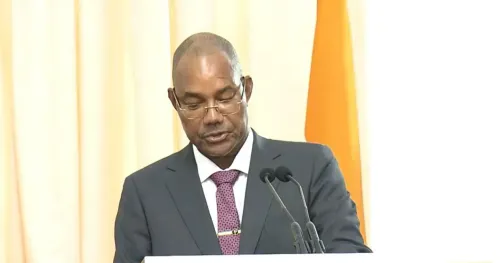
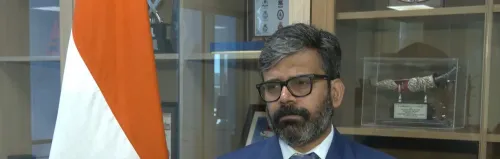
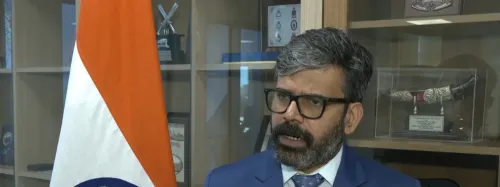
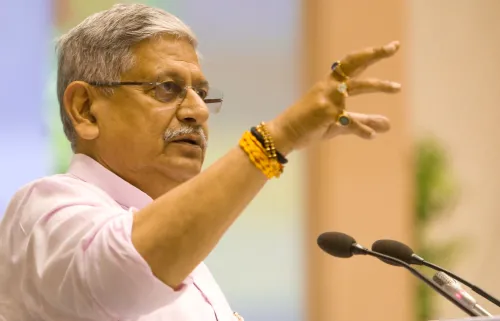
The Indian side was led by Fisheries Secretary Abhilaksh Likhi ; Seychelles by Minister Wallace Cosgrow .
India's fish production stands at 19.7 million tonnes ; seafood exports are valued at $8.46 billion .
Key focus areas: AI in harvest management , tuna fisheries optimisation, marine aquaculture, and digital fisheries data systems.
Seychelles expressed interest in expediting a bilateral MoU on fisheries and aquaculture.
Both sides agreed on an annual work plan, joint pilot projects, and reciprocal laboratory access.
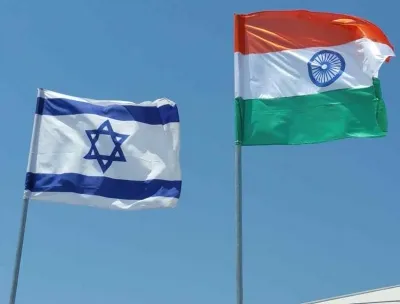
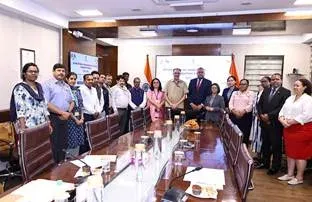
India and Seychelles on Wednesday, 26 August held a high-level bilateral meeting in New Delhi to deepen cooperation in fisheries and aquaculture, with artificial intelligence in harvest management and digital fisheries data systems emerging as centrepiece areas for collaboration. The discussions, hosted by India's Department of Fisheries, signal a significant upgrade in the two nations' maritime partnership within the Indian Ocean region.
Key Developments from the Bilateral Meeting
The Seychelles delegation was led by Minister of Fisheries, Agriculture and Blue Economy Wallace Cosgrow, while the Indian side was headed by Fisheries Secretary Abhilaksh Likhi. Both delegations reviewed existing cooperation frameworks and charted a roadmap for sustainable utilisation of marine resources, with fisheries and the broader blue economy identified as drivers of economic growth, rural employment, and sustainable development.
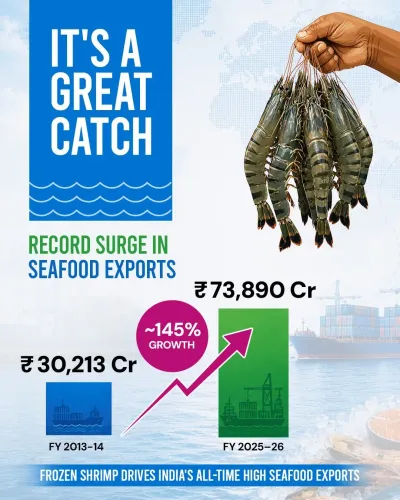
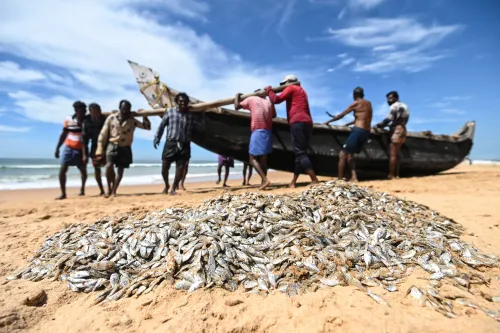
India highlighted its strong sectoral standing, noting that domestic fish production has reached 19.7 million tonnes and seafood exports are valued at $8.46 billion, according to the Ministry of Fisheries, Animal Husbandry and Dairying.
Technology and AI at the Core of Cooperation
Digital transformation emerged as a defining theme of the talks. The two sides discussed deploying AI in harvest management, building fisheries monitoring, control and surveillance infrastructure, and integrating modern fisheries data systems. This marks a shift from conventional bilateral fisheries agreements — which typically focus on access rights and quotas — toward a technology-first approach to resource governance.
Discussions also covered tuna fisheries optimisation, stock assessment, post-harvest engineering, modern hatchery development, marine aquaculture, and marine conservation — reflecting the breadth of India's ambitions in the blue economy space.
Trade, Value Chains and Knowledge Transfer
Beyond technology, both countries explored developing the tuna value chain through processing and product diversification, as well as sustainable fish-waste management. Knowledge transfer mechanisms discussed included technical studies, fisheries extension services, and institutional training programmes.
The sides also agreed on reciprocal laboratory access, joint pilot projects, regulatory alignment, and an annual work plan to ensure continuity of cooperation — moving beyond one-off diplomatic engagements toward a structured, results-oriented partnership.
MoU and Institutional Capacity Building
The Seychelles delegation expressed interest in expediting a bilateral Memorandum of Understanding (MoU) specifically covering fisheries and aquaculture, along with an advanced work plan. Both countries agreed on the importance of mutual exposure visits, specialised technical exchanges, and leveraging their respective Centres of Excellence to build institutional capacity and share international best practices.
The meeting concluded with both sides reaffirming their commitment to translating bilateral cooperation into result-oriented action plans for promoting sustainable fisheries and long-term maritime prosperity in the Indian Ocean region. A formal MoU, if expedited, could set the template for India's blue economy diplomacy with other island nations.
Point of View
Digital surveillance, and joint scientific research, New Delhi is positioning itself as a technology exporter in the blue economy, not just a market for seafood. With $8.46 billion in seafood exports and a 19.7-million-tonne production base, India has the credibility to lead. The real test is whether the proposed MoU moves faster than most bilateral frameworks — which tend to stall between the signing ceremony and actual implementation. The Indian Ocean is becoming a theatre of strategic competition; locking in structured fisheries partnerships with island nations like Seychelles is as much geopolitical as it is economic.
NationPress
26 Aug 2026
Frequently Asked Questions
What did India and Seychelles discuss at their bilateral fisheries meeting?
The two countries discussed cooperation in tuna fisheries, marine aquaculture, joint scientific research, AI-driven harvest management, and digital fisheries data systems at a high-level meeting in New Delhi on 26 August. They also explored a bilateral MoU on fisheries and aquaculture and agreed on an annual work plan.
What is India's current fish production and seafood export value?
India's fish production has reached 19.7 million tonnes, and its seafood exports are valued at $8.46 billion, according to the Ministry of Fisheries, Animal Husbandry and Dairying.
Who led the delegations at the India-Seychelles fisheries meeting?
The Indian delegation was headed by Fisheries Secretary Abhilaksh Likhi, while the Seychelles side was led by Minister of Fisheries, Agriculture and Blue Economy Wallace Cosgrow.
What role will AI play in India-Seychelles fisheries cooperation?
Both countries discussed deploying artificial intelligence in harvest management, alongside building fisheries monitoring, control and surveillance infrastructure and integrating modern fisheries data systems — marking a technology-first approach to marine resource governance.
What is the significance of a potential India-Seychelles fisheries MoU?
A bilateral MoU specifically covering fisheries and aquaculture, which Seychelles has expressed interest in expediting, would provide a formal framework for joint pilot projects, regulatory alignment, reciprocal laboratory access, and structured annual cooperation — moving the partnership beyond diplomatic intent to measurable outcomes.