India toy exports surge 152% since FY18, hit $384.7 mn in FY26: Govt

Synopsis
India's toy sector has pulled off a rare full reversal — from a $213 million trade deficit in FY18 to a $152 million surplus in FY26 — while exports nearly tripled and domestic toy imports collapsed by 66 per cent. The NAPT and BIS quality mandates are the policy backbone of what is shaping up as one of India's quieter manufacturing success stories.
Key Takeaways
India's toy exports rose 151.9 per cent from $152.7 million in FY18 to $384.7 million in FY26 .
Electronic and non-electronic toy exports ( HSN 9503 ) surged nearly 160 per cent to $200.89 million ; the US is the top market at $111.9 million .
India moved from a toy trade deficit of $213 million in FY18 to a surplus of $152 million in FY26.
Toy imports fell 66 per cent , reflecting a sharp rise in domestic manufacturing competitiveness.
Sector employment more than doubled — from 8,685 in 2018-19 to 17,693 in 2023-24 .
BIS has issued 1,786 domestic and 56 foreign manufacturer licences for toy safety compliance as of May 2026 .
India's toy exports have more than doubled in under a decade, climbing from $152.7 million in 2017-18 to $384.7 million in 2025-26 — a rise of over 151.9 per cent, according to government data released on Tuesday, 7 July 2025. The surge reflects a structural shift in the sector, driven by policy intervention, rising domestic manufacturing capacity, and growing global demand for Indian-made toys.
Key Export Numbers
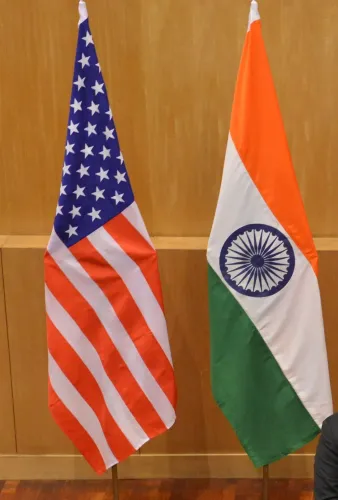
The sharpest growth came from electronic and non-electronic toys (HSN 9503), whose exports climbed nearly 160 per cent — from $77.35 million in FY18 to $200.89 million in FY26. The United States remained the single largest market, with Indian toy exports to that destination surging more than fourfold to around $111.9 million. Other major destinations included the UK, Poland, the Netherlands, and Germany.
Exports of video game consoles and related products (HSN 9504) nearly tripled to $46.75 million over the same period. Festive and entertainment articles (HSN 9505) posted a rise of nearly 130 per cent, reaching $137.03 million in FY26.
From Trade Deficit to Surplus
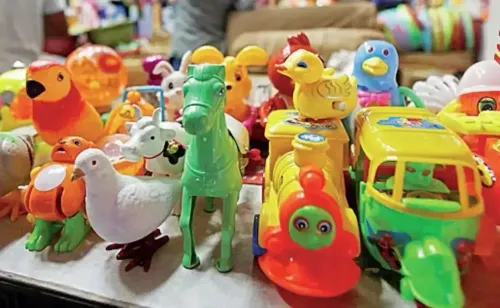
The transformation is equally visible on the import side. Imports of traditional and educational toys fell by 66 per cent over the period, signalling a meaningful reduction in India's dependence on overseas supplies. As a direct consequence, India swung from a trade deficit of $213 million in 2017-18 to a trade surplus of $152 million across major toy categories in 2025-26 — a reversal of over $365 million in the bilateral trade balance.
Employment and Economic Impact
The sector's growth has translated into tangible employment gains. Jobs in the games and toys sector (NIC Code 324) more than doubled, rising from 8,685 in 2018-19 to 17,693 in 2023-24, according to official figures. The government noted that the sector is generating livelihoods for artisans, manufacturers, traders, and small businesses across the country, positioning toys as a meaningful contributor to manufacturing and entrepreneurship.
Policy Drivers Behind the Growth
The government attributed the sector's turnaround to a cluster of targeted policy measures, most notably the National Action Plan for Toys (NAPT), launched in 2020. The plan promotes toys rooted in Indian culture and values, incentivises local production, and raises quality benchmarks. A pivotal reform under the NAPT was the Quality Control Order (QCO), which made Bureau of Indian Standards (BIS) certification mandatory for both domestic and foreign toy manufacturers. As of May 2026, BIS had issued 1,786 licences to domestic manufacturers and 56 licences to foreign manufacturers for toy safety compliance.
This comes amid a broader push by the Centre to reduce import dependence in consumer goods and build globally competitive manufacturing clusters. The toy sector's trajectory is now being cited as a potential template for other labour-intensive industries.
Point of View
693 by FY24 is modest for an industry the government calls a livelihood engine for artisans and small businesses nationwide; the bulk of that workforce likely sits outside formal enumeration. The BIS quality mandate is the real structural lever here: by raising the compliance bar for Chinese imports, it effectively created space for domestic producers rather than just incentivising them. Whether that advantage holds as Chinese manufacturers accumulate BIS licences — currently just 56 — will be the defining test of the policy's durability.
NationPress
6 Oct 2026
Frequently Asked Questions
By how much have India's toy exports grown since FY18?
India's toy exports grew by over 151.9 per cent, rising from $152.7 million in 2017-18 to $384.7 million in 2025-26, according to government data released on 7 July 2025.
Which toy category saw the highest export growth?
Electronic and non-electronic toys (HSN 9503) recorded the sharpest rise, with exports climbing nearly 160 per cent from $77.35 million in FY18 to $200.89 million in FY26. The United States is the largest market for this category, accounting for around $111.9 million.
Has India moved from a toy trade deficit to a surplus?
Yes. India posted a toy trade surplus of $152 million in 2025-26, compared with a trade deficit of $213 million in 2017-18 — a swing of over $365 million, driven partly by a 66 per cent fall in toy imports.
What policies drove the growth in India's toy sector?
The primary policy driver is the National Action Plan for Toys (NAPT), launched in 2020, which promotes Indian-culture-based toys and local manufacturing. A key reform under it is the Quality Control Order (QCO), which made BIS certification mandatory for all toy manufacturers, domestic and foreign.
How many jobs has the toy sector created?
Employment in the games and toys sector (NIC Code 324) more than doubled from 8,685 in 2018-19 to 17,693 in 2023-24, according to official figures, though this covers only formally enumerated workers.