Weekly Market Update: Sensex and Nifty Decline Amid Global Uncertainties

Synopsis
This week, Indian stock markets weakened as geopolitical tensions and global uncertainties weighed heavily on investor sentiment. Despite strong GDP growth, the Sensex and Nifty saw significant declines, raising concerns about market stability in the coming sessions. What does this mean for investors?
Key Takeaways
Both Sensex and Nifty fell by about 1.5% this week.
Global uncertainties and geopolitical tensions dampened market sentiment.
IT and media stocks showed resilience, closing higher.
Immediate resistance for Nifty is expected at 25,400.
Market analysts suggest a trading range of 60,000 to 61,750 for the Nifty.
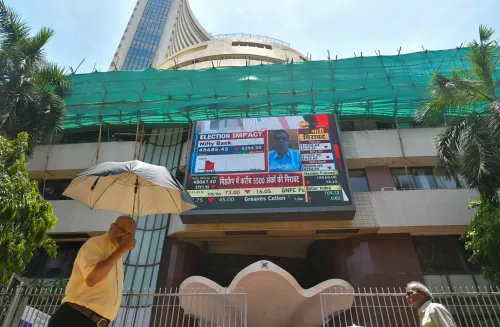
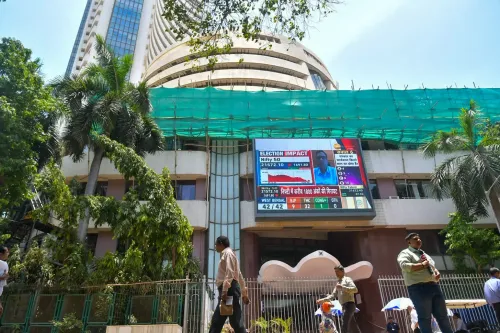
Mumbai, February 28 (NationPress) The Indian stock market concluded the week on a downturn, with key indices declining due to global instability and escalating geopolitical issues. Investors adopted a cautious approach as fluctuations in global markets and uncertainties surrounding US-Iran negotiations affected market sentiment, despite robust growth shown in India’s recent GDP figures.
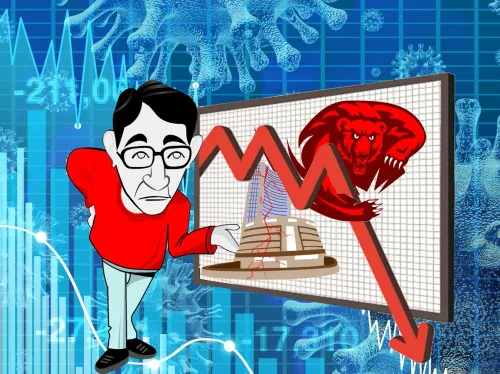
Throughout the week, both the Sensex and Nifty recorded a decrease of approximately 1.5 percent. Broader market indices also faced pressure, with the Nifty Midcap 100 and Smallcap 100 indices falling by over 1 percent each.
On Friday, February 27, the Sensex fell by 961.42 points, or 1.17 percent, ending at 81,287.19. Similarly, the Nifty dropped by 317.90 points, or 1.25 percent, settling at 25,178.65, dipping below the crucial 25,200 threshold.
Most sectors faced selling pressure, with the exception of IT and media stocks, which managed to finish in the positive territory.
The decline was primarily influenced by adverse global signals and persistent geopolitical worries, leading to selective investor engagement.
In terms of sector performance, stocks in the auto, banking, FMCG, metals, and real estate sectors experienced losses ranging from 1 to 2 percent. Conversely, IT, media, and consumer durable stocks displayed some resilience, closing higher.
Market analysts observed that the Nifty has breached its recent trading range, indicating a corrective trend may be on the horizon.
“The level of 25,400 is now anticipated to serve as immediate resistance, while volatility is likely to persist due to unpredictable global events,” an analyst remarked.
“The Bank Nifty also encountered profit-taking and formed a bearish pattern, with immediate support expected near the 60,000–60,200 zone,” according to the expert.
Analysts predict that the index may trade within a broad range of 60,000 to 61,750 in the short term, with a decisive breakout expected to dictate the next directional movement.
As per Siddhartha Khemka, Head of Research (Wealth Management) at Motilal Oswal Financial Services Limited, Indian equities are likely to trend sideways with a cautious outlook in the forthcoming sessions.
He noted that while domestic growth trends and sectoral strength offer some backing, institutional flows and global macroeconomic developments will significantly influence market direction.
Investor sentiment has been adversely affected by the inconclusive discussions between the United States and Iran regarding Tehran’s nuclear program.
Even though both parties have expressed intentions to hold additional discussions next week, the uncertainty surrounding the US’s subsequent actions and its implications for energy markets and regional stability has kept the markets on edge.
Point of View
It's clear that the recent downturn in the Indian stock markets is a reflection of broader global uncertainties. While domestic growth indicators remain strong, the prevailing geopolitical tensions and volatility in international markets indicate that investors should remain vigilant and strategize accordingly.
NationPress
5 Oct 2026
Frequently Asked Questions
What caused the decline in Indian stock markets?
The decline was primarily driven by global uncertainties and escalating geopolitical tensions, particularly surrounding US-Iran discussions.
How did the Sensex and Nifty perform this week?
Both the Sensex and Nifty fell approximately 1.5 percent over the week, with significant drops noted on February 27.
What sectors showed resilience during the decline?
IT and media sectors managed to end the week in positive territory despite the overall market downturn.
What is the expected trading range for the Nifty?
Analysts predict the Nifty may trade within a range of 60,000 to 61,750 in the short term.
How might global developments impact the Indian stock market?
Global macroeconomic developments and institutional flows will significantly influence the direction of the Indian stock market.