India's Business Optimism Index flat in Q4 2026, down 3% year-on-year: Dun & Bradstreet

Synopsis
India's headline business optimism barely moved in Q4 2026, but beneath the flat number lies a sharper story: domestic-order confidence has hit a two-year low, profit optimism is eroding, and simultaneous rate hikes by the RBI and US Fed are tightening the financing screws — raising real questions about whether India's macro resilience is reaching the ground level.
Key Takeaways
Business Optimism Index (BOI) came in at 111.7 in Q4 2026 , virtually flat from 111.8 in Q3, but down 3 per cent year-on-year.
Domestic-order optimism fell to 67.2 — its lowest level since Q3 2024 — declining 14.9 per cent year-on-year.
Profit optimism slipped 1 per cent year-on-year to 67.5 ; sales optimism dropped 7.8 per cent year-on-year to 74.4 .
September retail inflation at 5.54 per cent and food inflation at 7.74 per cent are pressuring household purchasing power, per Chief Economist Arun Singh .
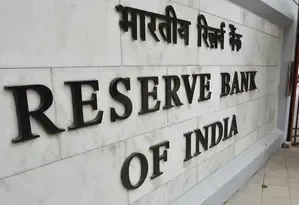
The RBI's repo rate now stands at 5.50 per cent after a 25-basis-point hike, compounding financing pressure alongside a US Fed rate increase.
Utilities (83.3) and food manufacturing (79.2) recorded the highest sectoral optimism in Q4 2026.
India's Business Optimism Index (BOI) held nearly flat in the fourth quarter of 2026 but slipped 3 per cent below its level in Q4 2025, signalling persistent caution among Indian businesses despite a broadly stable headline reading, according to a report released on Thursday, 22 October 2026. The data, compiled by Dun & Bradstreet, points to an uneven recovery in which macro stability has not yet translated into broad-based confidence.
Key Index Readings
The BOI came in at 111.7 in Q4 2026, virtually unchanged from 111.8 in Q3 2026. While the headline figure suggests stability, the sub-indices tell a more nuanced story. Domestic-order optimism declined 4.4 per cent quarter-on-quarter and a steep 14.9 per cent year-on-year to 67.2 — its lowest reading since Q3 2024. Sales optimism moderated 0.9 per cent quarter-on-quarter and 7.8 per cent year-on-year to 74.4, while profit optimism declined 1 per cent year-on-year to 67.5.
Export-order optimism remained broadly unchanged at 59.3, edging up just 0.1 per cent quarter-on-quarter but falling 8.8 per cent year-on-year. Employment optimism was broadly stable at 62.7, slipping 0.3 per cent quarter-on-quarter and 5.3 per cent year-on-year.
What the Economist Said
Arun Singh, Chief Economist at Dun & Bradstreet India, said: 'India's stable headline business optimism masks a more cautious outlook for demand and profitability. Domestic order and profit optimism have reversed their Q3 gains, suggesting that resilience has yet to translate into a sustained, broad-based improvement in business confidence.'
Singh further flagged that September retail inflation at 5.54 per cent and food inflation at 7.74 per cent has put pressure on household purchasing power. The Reserve Bank of India's (RBI) 25-basis-point rate hike — lifting the repo rate to 5.50 per cent — along with a US Federal Reserve increase in September, has added to financing pressure on businesses.
Sectors and Business Sizes
Sentiment improved among medium enterprises, and global economic confidence edged higher. However, confidence remained uneven across business sizes, with smaller firms appearing more exposed to the demand slowdown. Among sectors, utilities recorded the highest optimism at 83.3, followed by food manufacturing at 79.2. Notably, selling-price optimism increased 2.7 per cent quarter-on-quarter even as profit optimism weakened, suggesting that cost pressures rather than revenue headwinds are squeezing margins.
Why It Matters
This comes amid a broader pattern of India's post-pandemic recovery showing resilience at the macro level while household and small-business balance sheets remain stretched. The domestic-order index at its lowest since Q3 2024 is a significant warning sign — order books are a leading indicator of production and hiring decisions in the quarters ahead. With both the RBI and Fed tightening simultaneously, the financing environment is unlikely to ease quickly, raising the risk that the Q3 gains in demand optimism prove temporary rather than a durable trend.
Point of View
And it is pointing in the wrong direction. The simultaneous tightening by the RBI and the Fed removes the monetary cushion that helped absorb earlier demand shocks. What the report does not address is the distributional gap: medium enterprises show improved sentiment while smaller firms appear more squeezed, which suggests India's resilience narrative is increasingly a story about the organised sector only. If food inflation at 7.74 per cent persists into Q1 2027, the household purchasing-power drag will eventually show up in the headline index too — and the flat reading of today will look, in retrospect, like a missed early warning.
NationPress
22 Oct 2026
Frequently Asked Questions
What is India's Business Optimism Index for Q4 2026?
India's Business Optimism Index (BOI) stood at 111.7 in Q4 2026, according to a Dun & Bradstreet report released on 22 October 2026. This is virtually unchanged from 111.8 in Q3 2026 but 3 per cent lower than Q4 2025.
Why is domestic-order optimism at a two-year low?
Domestic-order optimism fell to 67.2 in Q4 2026, its lowest level since Q3 2024, declining 14.9 per cent year-on-year. Analysts attribute this to high retail and food inflation squeezing household purchasing power and a tighter financing environment following rate hikes by the RBI and the US Federal Reserve.
How have RBI and US Fed rate hikes affected Indian businesses?
The RBI raised its repo rate by 25 basis points to 5.50 per cent, while the US Federal Reserve also increased rates in September. Together, these moves have raised borrowing costs, adding financing pressure on Indian businesses and contributing to subdued demand and profit optimism.
Which sectors showed the highest business optimism in Q4 2026?
Utilities recorded the highest optimism at 83.3, followed by food manufacturing at 79.2, according to the Dun & Bradstreet report. Overall confidence, however, remained uneven across business sizes and sectors.
What does the flat BOI reading signal for India's economic outlook?
While the flat headline figure suggests macro stability, the reversal of Q3 gains in domestic-order and profit optimism indicates that India's resilience has not yet translated into broad-based business confidence, according to Dun & Bradstreet Chief Economist Arun Singh. The trend in leading sub-indices suggests caution is warranted for the quarters ahead.