India consumer goods sector to clock 17.3% CAGR revenue growth by 2030
Synopsis
Brickwork Ratings projects India's consumer goods sector will grow revenues at a 17.3% CAGR through 2030 — fuelled by Tier-II city demand, premiumisation, and GST cuts — while 22 of 25 rated sectors hold a stable credit outlook for FY27. The lone red flag: Power Distribution, weighed down by unsustainable debt and delayed tariff hikes.
Key Takeaways
Brickwork Ratings projects India's consumer goods sector to grow at a 17.3% CAGR in revenue between 2025 and 2030 .
Growth is driven by credit expansion , GST cuts , Tier-II/III city demand , and premiumisation .
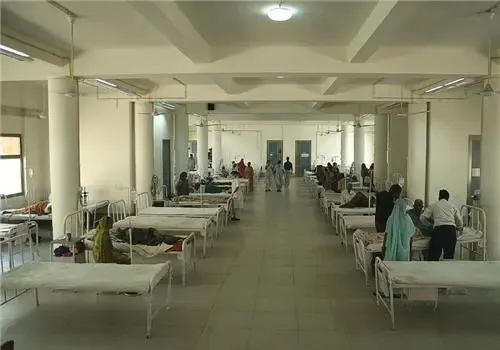
Healthcare services benefits from a $13 billion medical tourism market and the Ayushman Bharat expansion to citizens aged 70+ .
India's GDP growth is forecast at 7.7% in FY26 and 6.7% in FY27; inflation projected at 4.6% in FY27.
RBI has cut the repo rate by a cumulative 125 bps through 2025 to 5.25% , maintaining a neutral stance.
22 of 25 rated sectors hold a stable credit outlook; Power Distribution is the lone segment with a negative-to-stable rating.
India's consumer goods sector is projected to deliver a revenue growth of 17.3 per cent CAGR between 2025 and 2030, according to a sector outlook report released on Friday, 3 July by Brickwork Ratings. The healthcare services sector also carries a positive outlook, underpinned by a booming medical tourism market and expanding public health coverage.
What Is Driving Consumer Goods Growth
According to the Brickwork Ratings report, the strong revenue trajectory for consumer goods is being propelled by credit growth, GST cuts, rising demand from Tier-II and Tier-III cities, and an accelerating shift toward premiumisation. The unlocking of aspirational consumption in smaller urban centres is increasingly being seen as a structural, rather than cyclical, demand driver.
Healthcare Services: Key Tailwinds
The healthcare services sector benefits from solid interest and debt coverage ratios, a medical tourism market estimated at $13 billion, and the ongoing expansion of the Ayushman Bharat Programme to senior citizens aged 70 and above. Together, these factors position the sector for sustained revenue and credit resilience through the forecast period.
Macro Backdrop: GDP, Inflation, and RBI Stance
Rajeev Sharan, Head of Research at Brickwork Ratings, stated: 'We expect the economy to remain anchored by 7.7 per cent GDP growth in FY26, supported by strong manufacturing and services activity. For FY27, growth is projected at 6.7 per cent.'
Inflation is projected at around 4.6 per cent in FY27, with geopolitical risks and El Niño flagged as key watch points. The Reserve Bank of India (RBI)'s neutral monetary stance — following a cumulative 125 basis points repo rate reduction through 2025, bringing the rate to 5.25 per cent — is seen as preserving policy flexibility against external shocks.
Credit Outlook Across 25 Sectors
The report forecast a stable credit outlook across 22 of its 25 rated sectors in FY27, supported by resilient domestic demand, sustained government capital expenditure, healthy balance sheets, improving operating margins, and predictable cash flows. Sectors including technology, automobiles, telecom, infrastructure, logistics, industrials, and power generation are seen benefiting from deleveraging, policy support, export opportunities under new trade agreements, and long-term demand visibility.
K. H. Patnaik, Chief Ratings Officer at Brickwork Ratings, noted: 'While sectors such as chemicals and textiles face margin pressures, and transport and airports remain relatively leveraged, their credit profiles are supported by strong solvency, improving profitability, and stable revenue visibility.'
Power Distribution: The Lone Negative Outlook
Of the 25 sectors assessed across 8 industry clusters, Brickwork Ratings assigned a negative-to-stable rating to the Power Distribution segment. Niraj Rathi, Senior Director – Ratings at Brickwork, attributed the weakness to 'elevated and unsustainable debt levels reflected in the weak credit profile and continued cash gap created due to muted or delayed tariff hikes.' He added that DISCOMs which have reduced distribution losses and improved collection efficiency will be better placed to curb losses and meet Loss Prevention Scheme (LPS) terms.
Overall, the ratings agency maintained that India's macroeconomic environment remains resilient, providing a supportive backdrop for credit quality even as geopolitical uncertainties persist. With consumption momentum broadening and healthcare infrastructure expanding, the next five years are shaping up as a decisive growth window for both sectors.
Point of View
But it rests on several assumptions holding simultaneously — sustained credit growth, GST rationalisation continuing, and Tier-II/III demand converting into durable purchasing power rather than a one-time unlock. The healthcare tailwind is more structurally grounded, given Ayushman Bharat's expansion and medical tourism's trajectory, but execution on public health infrastructure remains uneven. The Power Distribution red flag deserves more attention than it typically gets: DISCOM debt has been a perennial problem that successive reform rounds have not resolved, and it remains a potential drag on India's broader energy transition ambitions.
NationPress
3 Jul 2026
Frequently Asked Questions
What is the projected revenue growth for India's consumer goods sector by 2030?
India's consumer goods sector is projected to grow at a 17.3 per cent CAGR in revenue between 2025 and 2030 , according to a Brickwork Ratings report released on 3 July 2025. The growth is attributed to credit expansion, GST cuts, rising demand from Tier-II and Tier-III cities, and premiumisation trends.
What factors are driving growth in India's healthcare services sector?
Healthcare services is supported by strong interest and debt coverage ratios, an estimated $13 billion medical tourism market, and the expansion of the Ayushman Bharat Programme to senior citizens aged 70 and above. These structural tailwinds are expected to sustain the sector's credit and revenue resilience through the forecast period.
What is India's GDP growth forecast for FY26 and FY27?
Brickwork Ratings projects India's GDP growth at 7.7 per cent in FY26, supported by manufacturing and services activity, and at 6.7 per cent in FY27. Inflation is expected at around 4.6 per cent in FY27, with geopolitical risks and El Niño flagged as key uncertainties.
Which sector received a negative credit outlook from Brickwork Ratings?
The Power Distribution segment was the only one of 25 rated sectors to receive a negative-to-stable rating, due to elevated and unsustainable debt levels and a continued cash gap caused by muted or delayed tariff hikes. DISCOMs that have improved collection efficiency and reduced distribution losses are seen as better positioned to recover.
How has the RBI's monetary policy affected the credit outlook?
The Reserve Bank of India has cumulatively reduced the repo rate by 125 basis points through 2025, bringing it to 5.25 per cent , while maintaining a neutral stance. This is seen as preserving policy flexibility to respond to external shocks while supporting domestic credit conditions.