Diwali 2026 sales cross ₹7 lakh crore nationally, Delhi hits ₹1 lakh crore: CAIT
Synopsis
India's Diwali 2026 festive trade is shaping up as a record-breaker — CAIT puts national sales on course to cross ₹7 lakh crore, with Delhi alone hitting ₹1 lakh crore. The surge spans gold, electronics, automobiles and swadeshi goods, and comes despite political disruptions that CAIT says cost Delhi traders heavily just days earlier.
Key Takeaways
India's Diwali 2026 national sales are projected to cross ₹7 lakh crore , according to CAIT data.
Delhi alone has recorded over ₹1 lakh crore in Diwali-related trade, a fresh record for the capital.
Buying peaked on Dhanteras across gold, jewellery, electronics, automobiles, clothing and swadeshi goods.
CAIT Secretary General Praveen Khandelwal cited strong consumer preference for Indian-made products as a key driver.
CAIT said the festive surge benefits millions — from street vendors and artisans to logistics providers and self-help groups.
Khandelwal flagged that an Opposition rally on 1 November and prolonged protests had caused 'substantial business losses' in Delhi prior to the festive surge.
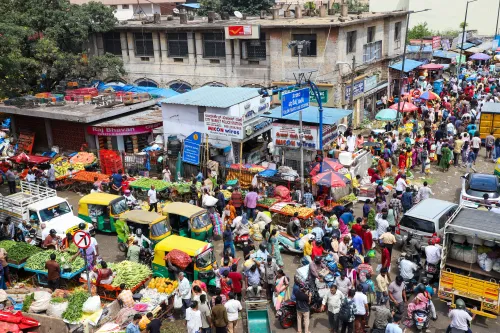
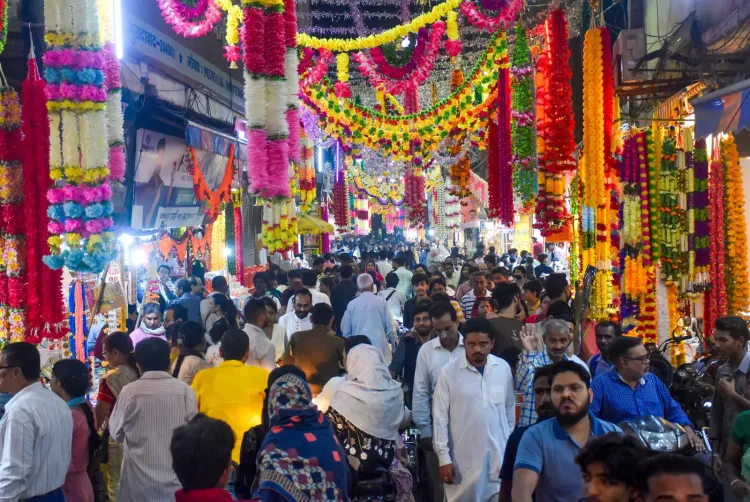
India's Diwali 2026 festive trade has surged to record levels, with national sales poised to cross ₹7 lakh crore and Delhi alone clocking over ₹1 lakh crore in business, according to figures compiled by the Confederation of All India Traders (CAIT). The buying frenzy peaked on Dhanteras, as waves of shoppers flooded markets across the country on Friday, 7 November 2026.
Record Demand Across Categories
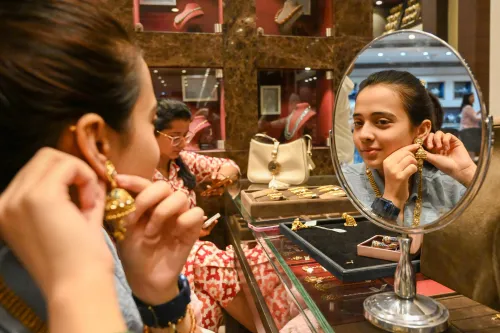
Exceptionally strong consumer appetite was recorded across a wide range of product categories this festive season. Gold, silver and jewellery led the charge, followed by electronic goods and home appliances — including mobile phones, LED televisions, refrigerators, washing machines and air conditioners — all witnessing robust offtake, according to a CAIT statement.
Clothing and fashion also saw brisk sales, with sarees, suits, kurtas, readymade garments, children's clothing and traditional attire moving rapidly off shelves. Demand for puja and decorative items — earthen diyas, idols of Goddess Lakshmi and Lord Ganesha, sweets and food products — also surged. The automobile segment, covering cars, two-wheelers and commercial vehicles, recorded encouraging demand as well.
Swadeshi and Handicrafts See a Surge
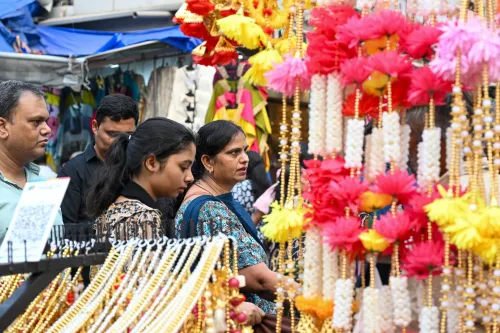
Handicrafts and swadeshi products — including khadi, handloom goods, handcrafted decorative articles, items from local artisans and products made by women's self-help groups — posted robust sales. CAIT Secretary General and Member of Parliament Praveen Khandelwal noted a visible transformation in consumer preference toward Indian-made goods, attributing it to the sustained impact of Prime Minister Narendra Modi's calls for 'Vocal for Local', 'Aatmanirbhar Bharat' and Swadeshi adoption.
'Indian artisans, manufacturers, small-scale industries and local entrepreneurs are receiving tremendous support from consumers,' Khandelwal said.
Economic Ripple Effect on Small Traders and Workers
CAIT stated that the massive festive business is generating substantial economic benefits — both directly and indirectly — for small and medium-sized traders, street vendors, daily-wage workers, micro and cottage industries, self-help groups, women entrepreneurs, artisans, transport operators, packaging businesses, logistics providers, delivery services and millions of people linked to domestic manufacturing and production.
Khandelwal highlighted that the surge in footfall has benefited millions of traders, shopkeepers, street vendors and small entrepreneurs in Delhi, and described the consumer response as a strong signal of commercial resilience.
Political Context and Market Disruptions
Khandelwal also invoked a political dimension, stating that the unprecedented market footfall 'has sent a strong and positive message in the backdrop of the substantial business losses suffered due to the Opposition rally on 1 November and the continuous protests, demonstrations and agitations witnessed in Delhi over the past month.'
He added: 'In a democracy, everyone has the right to protest and demonstrate peacefully, but no political activity should come at the cost of public mobility, traders' livelihoods or the daily earnings of millions of families.' CAIT, on behalf of Delhi's trading community, expressed gratitude to consumers for their 'tremendous enthusiasm, confidence and overwhelming participation' this Diwali season.
What the Final Numbers Could Look Like
As of 7 November 2026, CAIT's data showed that Delhi had already crossed the ₹1 lakh crore mark in Diwali-related trade, while the national tally had exceeded ₹6 lakh crore. With continued high footfall and strong buying sentiment persisting through the festive period, CAIT projected the national figure would ultimately cross ₹7 lakh crore. If the projection holds, it would mark one of the strongest Diwali trading seasons on record for Indian retail.
Point of View
But they deserve scrutiny — the confederation is a trade lobby with an inherent interest in projecting optimism, and its estimates are self-compiled rather than independently verified. The ₹7 lakh crore national figure is a projection, not a final count, and the ₹6 lakh crore already-recorded figure is the more defensible data point. More notable is the political subtext: Khandelwal's pointed reference to Opposition protests and the 1 November rally frames a commercial story as a political one, blurring the line between trade advocacy and partisan messaging. The genuine economic story — that swadeshi and handicraft products are finding mainstream Diwali buyers — is worth watching as a structural shift, but needs longer-term data to confirm.
NationPress
7 Nov 2026
Frequently Asked Questions
What are India's total Diwali 2026 sales as per CAIT?
According to CAIT, national Diwali-related trade has already exceeded ₹6 lakh crore and is projected to cross ₹7 lakh crore as buying sentiment remains strong. The figures are based on data compiled by the Confederation of All India Traders and are not independently verified.
How much did Delhi record in Diwali sales in 2026?
Delhi's Diwali-related trade crossed ₹1 lakh crore, according to CAIT, making it a record for the national capital. The surge was driven by gold, jewellery, electronics, clothing and swadeshi goods.
Which product categories saw the highest Diwali demand this year?
Gold, silver and jewellery topped demand, followed by mobile phones, LED televisions, refrigerators, washing machines and air conditioners. Clothing, automobiles, puja items and swadeshi handicrafts also recorded strong sales, according to CAIT.
What is CAIT and why does it track Diwali sales?
CAIT, or the Confederation of All India Traders, is an apex trade body representing small and medium traders across India. It tracks festive season sales to highlight the economic significance of Diwali for millions of small businesses, street vendors and artisans.
What political controversy surrounded Delhi's Diwali trade this year?
CAIT Secretary General Praveen Khandelwal said Delhi traders suffered 'substantial business losses' due to an Opposition rally on 1 November and prolonged protests in the city. He argued that political activities should not disrupt public mobility or traders' livelihoods, though he acknowledged the democratic right to peaceful protest.