Centre plans dynamic dashboard to boost rabi sowing in 225 drought-hit districts
Synopsis
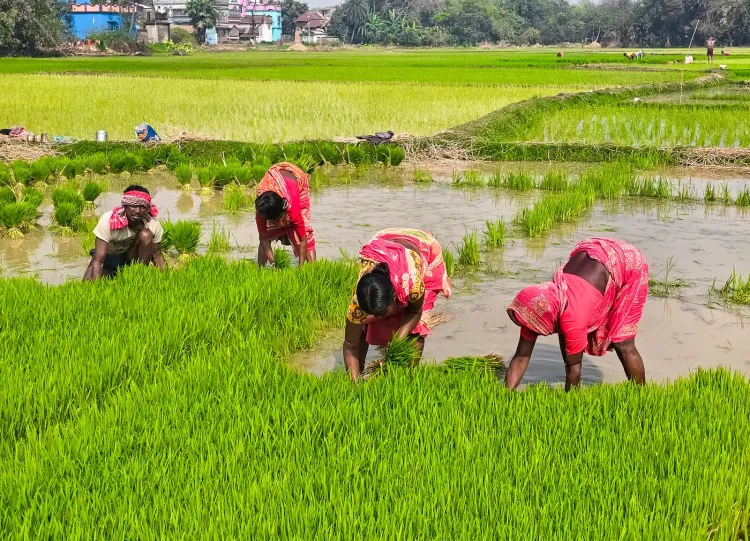
With wheat sowing trailing last year's pace by 46% and El Niño disrupting monsoon patterns, the Centre is deploying a live dashboard fed by IMD forecasts to steer rabi planting decisions in 225 vulnerable districts — a real-time intervention that moves India's farm crisis response well beyond static contingency manuals.
Key Takeaways
The Centre has identified 225 districts for rabi sowing contingency planning due to El Niño -driven monsoon disruptions.
ICAR Director General ML Jat announced a dynamic dashboard integrating IMD weekly forecasts and water-body data for district-level farm advisories.
Rabi crop sowing stood at 3.8 million hectares as of 30 October — roughly 46% behind the same period last year.
A task force has been constituted to expand oilseed and pulse cultivation on fallow post-rice land.
A soil health policy is expected within two to four months to guide efficient fertiliser use.
ICAR plans to integrate the dashboard with the government's AgriStack platform for a unified agricultural data ecosystem.
The Centre has drawn up contingency plans to accelerate rabi sowing in 225 districts across India affected by erratic monsoon conditions linked to the El Niño weather pattern, with a new dynamic dashboard at the heart of its response strategy. The initiative, announced in New Delhi on 7 November 2026, aims to integrate real-time meteorological and water-body data to guide farm decisions at the district level.
What the Dashboard Will Do
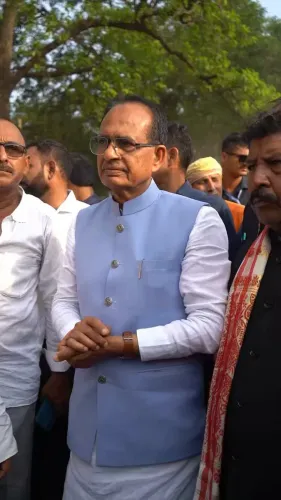
Indian Council of Agricultural Research (ICAR) Director General ML Jat told reporters that the proposed platform would pull in weekly forecasts from the India Meteorological Department (IMD), data on water bodies, and other relevant agricultural inputs to help officials respond to rapidly changing ground conditions. 'We are taking contingency planning to a new level with the development of a dynamic dashboard that will integrate the IMD's weekly forecasts, data on water bodies and other relevant information to help officials make decisions based on local conditions,' Jat said.
Crucially, the dashboard will not be static. A district initially flagged as drought-vulnerable could be reclassified if sufficient rainfall is received, with assessments updated using rolling 15-day IMD projections. The tool will cover the entire country — not just the 225 at-risk districts — and will also offer advisories for normal agricultural conditions, widening its utility beyond crisis management.
Rabi Sowing: How Far Behind Is India
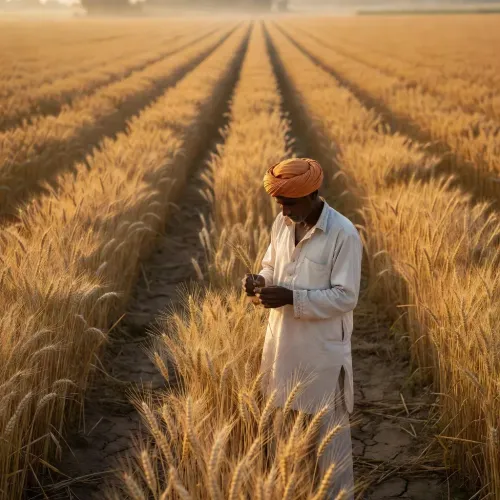
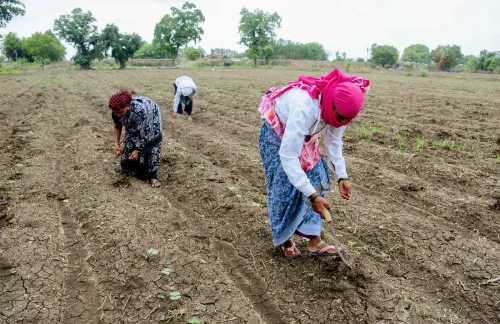
Rabi crops, including wheat, had been sown across roughly 3.8 million hectares as of 30 October — approximately 46% less than the same period last year, according to official figures. Senior officials attributed part of the lag to untimely rains in the wheat belt that delayed planting, and expressed confidence that sowing would now accelerate. This comes amid broader concerns about the cumulative impact of El Niño on kharif output, making a strong rabi harvest strategically important for national food security.
Oilseeds, Pulses and Fallow Land
Jat said ICAR has also constituted a task force to identify opportunities for expanding cultivation of oilseeds and pulses in fallow areas left after the rice harvest. These post-rice fields offer scope for crop diversification that could ease India's chronic dependence on imports of edible oils and pulses. 'In places where residual soil moisture was insufficient for wheat, farmers could consider growing suitable oilseed and pulse crops instead,' he noted.
Soil Health Policy and AgriStack Integration
A separate soil health policy is expected to be introduced within the next two to four months, designed to enable farmers to plan fertiliser use more efficiently based on nutrient deficiency data. ICAR also intends to eventually integrate the new dashboard with the government's AgriStack initiative, which would bring together data from multiple agricultural sources onto a single unified platform — a move that could significantly improve advisory precision for farmers nationwide.
With rabi sowing entering its critical window, the success of these contingency measures will determine how much of the weather-related crop shortfall can be recovered before the season closes.
Point of View
But its impact will hinge on last-mile connectivity — whether district-level officials actually act on real-time advisories, or whether the platform becomes another underused portal. The 46% sowing deficit is alarming on its face, though officials are right to flag delayed rains as a partial explanation; the true test will be final acreage figures in December. More consequentially, the pivot toward oilseeds and pulses on fallow land addresses a structural import vulnerability that food policy has repeatedly acknowledged but failed to close. Whether a task force can move fast enough within a single rabi window remains the open question.
NationPress
7 Nov 2026
Frequently Asked Questions
Why has the Centre drawn up contingency plans for rabi sowing in 2026?
The Centre identified 225 districts as vulnerable to drought or erratic sowing conditions due to the El Niño weather pattern disrupting this year's monsoon. The contingency plans are aimed at helping farmers and officials adapt planting decisions to rapidly changing weather and soil conditions during the current rabi season.
What is the ICAR dynamic dashboard and how will it work?
The ICAR dynamic dashboard will integrate India Meteorological Department weekly forecasts, water-body data, and other agricultural inputs to provide district-level advisories for farmers and officials. It will cover the entire country, update vulnerability classifications based on rolling 15-day rainfall projections, and eventually be integrated with the government's AgriStack platform.
How far behind is rabi sowing compared to last year?
As of 30 October, rabi crops including wheat had been sown across approximately 3.8 million hectares — about 46% less than the same period last year. Officials attributed part of the gap to untimely rains in the wheat belt that delayed sowing, and said planting activity was expected to accelerate.
What alternatives are being explored for areas where wheat cannot be sown?
ICAR has constituted a task force to identify fallow land after the rice harvest where oilseeds and pulses can be cultivated instead. In areas where residual soil moisture is insufficient for wheat, farmers are being advised to consider suitable oilseed and pulse crops as diversification options.
What is the upcoming soil health policy that ICAR mentioned?
A new soil health policy is expected to be introduced within two to four months, designed to help farmers plan fertiliser application more efficiently based on specific nutrient deficiencies in their land. It is intended to complement the dashboard's advisory function and improve input use across different agroclimatic zones.