Maharashtra farmers advised: hold sowing till June 15, rains to intensify after June 18
Synopsis
Maharashtra's government is telling farmers to wait — and the reason goes beyond the weather forecast. With El Niño suppressing monsoon currents and dry spells predicted through mid-June, the state is making a rare pre-emptive move to stop the double-sowing trap that pushes drought-belt farmers deeper into debt every year.
Key Takeaways
The Maharashtra government on 8 June 2025 advised farmers to avoid sowing until at least June 15 , citing insufficient monsoon intensity.
Rainfall is forecast to pick up after June 18 , with Konkan and Ghat regions expected to receive above-average rain by end of June.
Chief Minister Devendra Fadnavis cited a 22 per cent probability of average rainfall and flagged El Niño conditions as a key risk.
Agricultural experts recommend waiting for at least 75–100 mm of cumulative rainfall before sowing to avoid dry-spell crop failure.
Premature sowing risks forcing farmers — especially in Marathwada and Vidarbha — into costly re-sowing, deepening rural debt cycles.
The state is expected to promote short-duration crop varieties and micro-irrigation systems as part of a contingency agronomy plan.
The Maharashtra government on 8 June 2025 urged farmers across the state to hold off on sowing activities despite the monsoon's arrival in South Konkan, warning that rainfall intensity will remain insufficient for widespread sowing until at least June 15. The advisory, issued late Sunday evening, cautions that premature sowing ahead of predicted dry spells could force farmers into costly re-sowing cycles.
What the forecast says
The Meteorological Department has indicated that while isolated thunderstorms and gusty winds are possible across Vidarbha, Marathwada, Khandesh, and Central Maharashtra through June 15, these showers are not yet sufficient to support germination at scale. Dry spells are expected to follow, making early sowing a financial risk.
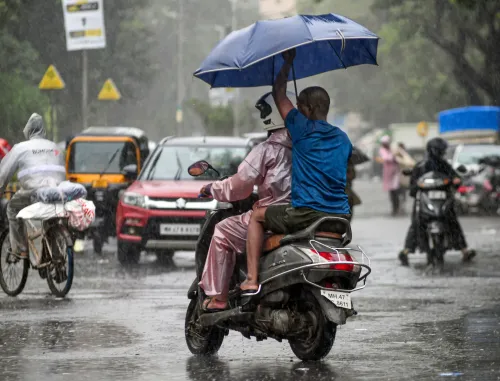
Conditions are expected to improve significantly after June 18. The Konkan coastal belt and Ghat (mountainous) regions are forecast to receive above-average rainfall by the end of June, with intensifying activity likely over the next three to four days in those zones. For the rest of Maharashtra, isolated thunderstorms are expected to continue in the interim.
CM Fadnavis flags El Niño risk
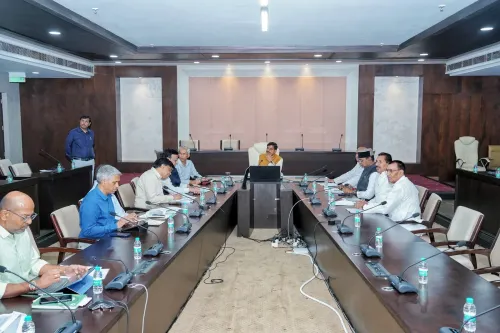
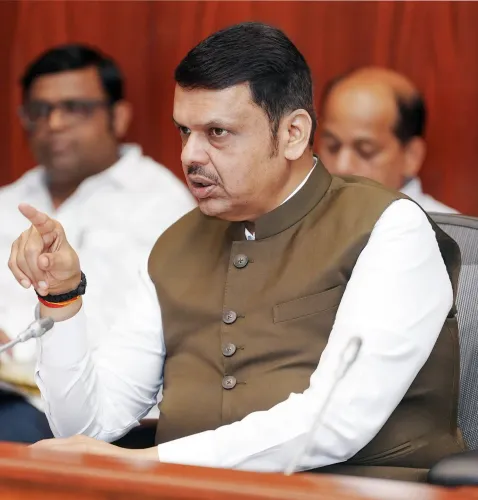
Chief Minister Devendra Fadnavis explicitly flagged the El Niño context in his statement. 'Farmers are eagerly awaiting the monsoon. However, this is an El Niño year. While there is a 22 per cent probability of average rainfall, our primary focus is to ensure that farmers in Marathwada and other drought-prone regions are not forced into double-sowing (re-sowing). The government's emphasis will be on maximising crop yield with minimum water, thereby minimising losses,' Fadnavis said.
El Niño transitions are known to suppress Indian monsoon currents, leading to prolonged dry spells and uneven distribution. Historically drought-prone districts such as Beed, Latur, and Osmanabad in Marathwada, along with large parts of Vidarbha, rely heavily on dryland farming. A failed initial sowing season in these pockets directly dents agrarian output and deepens rural economic distress.
The double-sowing trap
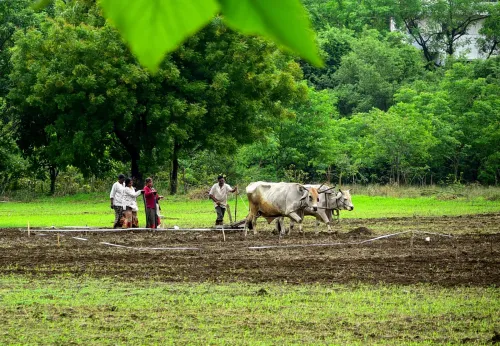
Agricultural experts and state officials strongly advise against sowing until the soil has received at least 75 to 100 mm of cumulative rainfall and moisture has penetrated deep enough to sustain germination. Maharashtra's cash-crop belts — primarily soybean, cotton, and pulses — see farmers routinely rushing to sow after the first pre-monsoon showers, often with damaging results.
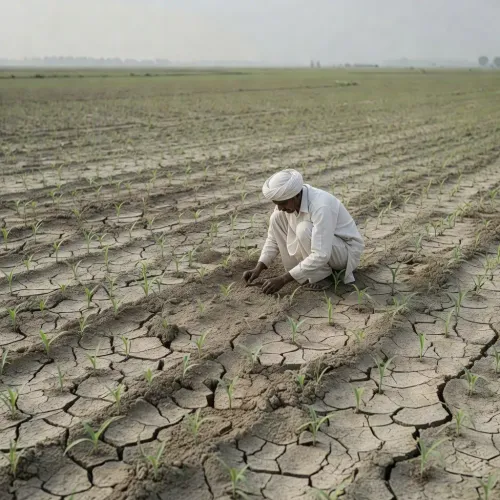
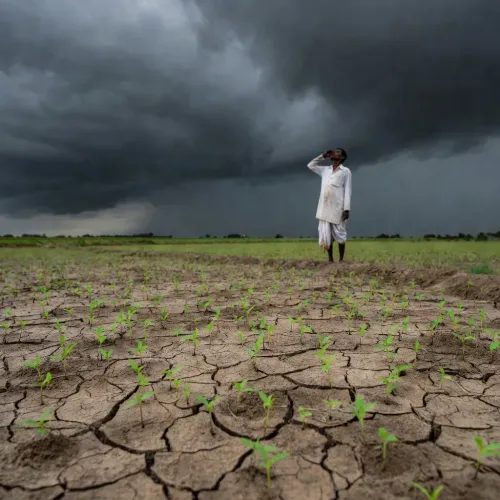
If a dry spell follows the initial showers, as predicted through mid-June, sprouted seeds wither in the dry soil. Farmers are then compelled to purchase a second round of expensive seeds and fertilisers, deepening their dependence on credit and worsening debt cycles, according to agriculture department sources.
Government's defensive agronomy push
The state advisory signals a broader strategic shift toward what officials describe as defensive agronomy — preparing for lower-rainfall scenarios rather than assuming a normal monsoon. The Agriculture Department is expected to promote short-duration crop varieties, micro-irrigation systems including drip and sprinkler setups, and contingency crop planning should the dry spell extend beyond late June. Citizens have also been urged to take safety precautions against lightning and sudden weather changes in the coming days.
Point of View
If it materialises, would place Marathwada and Vidarbha on the edge of another agrarian crisis, the kind that drives distress migration and loan waiver politics. The real test is whether the Agriculture Department's push for micro-irrigation and short-duration varieties is backed by on-ground input supply and credit access, or remains an advisory on paper. Maharashtra has issued similar pre-season cautions before; what's different this year is the explicit El Niño framing, which raises the stakes for follow-through.
NationPress
24 Oct 2026
Frequently Asked Questions
Why is the Maharashtra government asking farmers to delay sowing?
The government has warned that monsoon intensity will remain too low for safe sowing until June 15, with dry spells predicted to follow initial showers. Sowing during this window risks crop failure, forcing farmers to re-sow at additional cost.
When will rainfall improve in Maharashtra?
Rainfall is forecast to intensify after June 18, according to the Meteorological Department. The Konkan coastal belt and Ghat regions are expected to receive above-average rain by the end of June.
What is the El Niño risk CM Fadnavis mentioned?
El Niño conditions suppress Indian monsoon currents, increasing the likelihood of prolonged dry spells and uneven rainfall. Fadnavis cited a 22 per cent probability of average rainfall, signalling a cautious outlook particularly for drought-prone Marathwada and Vidarbha.
Who is most at risk from premature sowing?
Farmers in Marathwada and Vidarbha — historically drought-prone regions dependent on dryland farming of soybean, cotton, and pulses — face the greatest risk. A failed first sowing forces them to buy expensive seeds and fertilisers again, deepening debt.
What measures is the Maharashtra government planning to support farmers?
The Agriculture Department is expected to promote short-duration crop varieties, drip and sprinkler micro-irrigation systems, and contingency crop planning if dry spells extend beyond late June. The state's focus, according to officials, is maximising yield under lower-rainfall conditions.