CM Maharashtra Office Warns Farmers: Don't Rush Sowing

Synopsis
The Chief Minister's Office of Maharashtra on 31 May 2026 urged farmers not to rush kharif sowing based on pre-monsoon storms, noting the southwest monsoon has not reached Kerala and is unlikely to arrive in most of Maharashtra before 10 June. A lightning safety advisory was also issued.
Key Takeaways
The CMO Maharashtra issued a sowing advisory on 31 May 2026 cautioning farmers against premature planting.
The southwest monsoon had not yet reached Kerala as of the date of the post; no monsoon connection to current storms exists.
The monsoon is unlikely to arrive in most of Maharashtra before 10 June 2026 , according to the advisory.
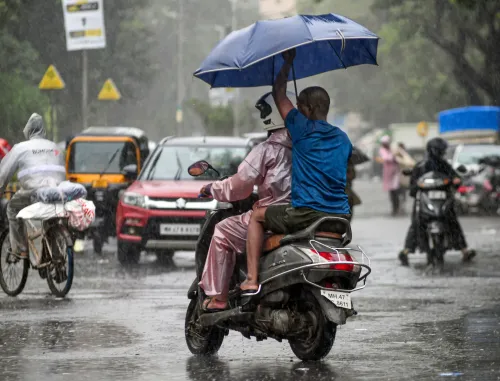
Thunderstorms and cloudy skies are expected after noon in Vidarbha, Marathwada, Madhya Maharashtra, Khandesh , and parts of Konkan .
Heat stress may persist in parts of East Vidarbha despite overcast conditions.
Farmers are advised to avoid trees, tin sheds, electric poles, and transformers during lightning, and to ensure the safety of livestock.
The Chief Minister's Office of Maharashtra issued an urgent advisory on Sunday, 31 May 2026, cautioning farmers across the state against rushing into sowing operations triggered by pre-monsoon thunderstorms, warning that the southwest monsoon has not yet arrived in Kerala and is unlikely to reach most parts of Maharashtra before 10 June 2026.
Context
The advisory, posted in Marathi, states plainly: 'शेतकऱ्यांनी पेरणीची घाई करू नये!' ('Farmers must not rush into sowing!'). It clarifies that while stormy rain is possible in parts of the state from 1 June, this activity carries no connection to the monsoon onset. The southwest monsoon, which drives the bulk of India's kharif agricultural season, typically makes its first landfall over Kerala in early June before advancing northward into Maharashtra.
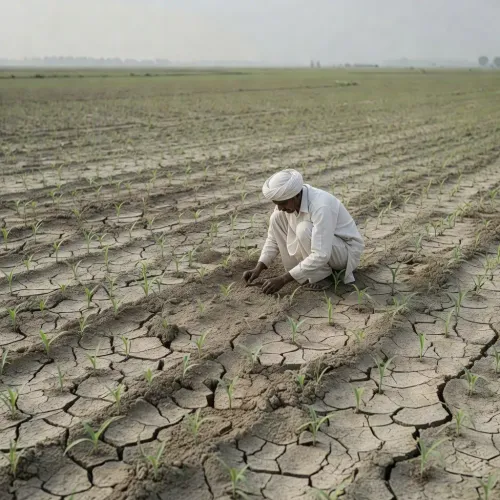
The CMO noted that current conditions indicate the monsoon is unlikely to arrive in most parts of Maharashtra for at least another 10 days from 1 June. Farmers who mistake pre-monsoon squalls for the actual monsoon and begin sowing risk crop failure if consistent rains do not follow.
Policy Backdrop
State governments across India routinely issue weather-linked sowing advisories in May and June, drawing on forecasts from the India Meteorological Department (IMD), which publishes annual pre-monsoon and long-range outlooks each April-May to guide agricultural planning. Maharashtra's farm economy is heavily rainfed, making the precise timing of kharif sowing — primarily for crops like soybean, cotton, and pulses — critical to yield outcomes.
Regions such as Vidarbha and Marathwada have historically been vulnerable to both drought and erratic pre-monsoon rainfall, making calibrated advisories especially important. The CMO's post explicitly names Vidarbha, Marathwada, Madhya Maharashtra, Khandesh, and parts of Konkan as areas where cloudy skies and thunderstorms are expected after noon — but warns that heat stress may persist in parts of East Vidarbha despite the overcast conditions.
Stakeholders and Impact
Maharashtra's farming community — numbering in the crores — depends on the onset of stable monsoon rains to calibrate seed-bed preparation and sowing windows. A premature sowing decision, based on a single pre-monsoon shower, can result in germination failure and significant financial loss, particularly for smallholder farmers who cannot afford to re-sow.
The advisory also carries a safety dimension. The CMO specifically urges farmers to take special precautions during lightning, advising them to avoid standing under trees, tin sheds, electric poles, transformers, or power lines during thunderstorms. It also calls on farmers to ensure the safety of their livestock. Lightning fatalities during pre-monsoon storms are a recurring concern in rural Maharashtra.
What's Next
The key trigger to watch is the IMD's official declaration of monsoon onset over Kerala, which typically precedes the monsoon's arrival in Maharashtra by roughly a week to ten days. Once the IMD confirms the monsoon's northward progression, the state agriculture department is expected to issue region-specific sowing-window updates for different crop zones.
Until then, the CMO's message is unambiguous: farmers should plan sowing only after consistent and stable rainfall is confirmed, not on the basis of isolated pre-monsoon thunderstorm activity. The advisory underscores the state government's broader effort to reduce climate-driven agricultural risk through timely, direct public communication.
Point of View
Bypassing traditional extension channels to reach farmers via social media in real time. By explicitly decoupling pre-monsoon thunderstorms from the monsoon onset, the advisory addresses a recurring and costly misreading that has led to crop losses in Maharashtra's rainfed belts for years. The inclusion of a lightning safety warning signals that the government is treating the advisory as a composite public-safety message, not merely an agricultural one. This pattern of consolidated, multilingual, platform-native advisories is increasingly becoming standard practice for state governments with large rural constituencies.
NationPress
14 Oct 2026
Frequently Asked Questions
Why are Maharashtra farmers being told not to sow in June 2026?
The Chief Minister's Office of Maharashtra warned on 31 May 2026 that current thunderstorm activity is pre-monsoon in nature and not connected to the southwest monsoon, which had not yet reached Kerala. Sowing before stable monsoon rains arrive risks germination failure and crop loss.
When will the monsoon arrive in Maharashtra in 2026?
According to the CMO advisory issued on 31 May 2026, the monsoon is unlikely to arrive in most parts of Maharashtra before 10 June 2026. The official onset date will be confirmed by the India Meteorological Department.
Which regions of Maharashtra are under a weather alert?
The advisory mentions Vidarbha, Marathwada, Madhya Maharashtra, Khandesh, and parts of Konkan as areas expecting cloudy skies and thunderstorms after noon. Parts of East Vidarbha may still experience heat stress despite overcast conditions.
What safety precautions should farmers take during thunderstorms in Maharashtra?
The CMO advisory specifically asks farmers to avoid standing under trees, tin sheds, electric poles, transformers, or power lines during lightning. Farmers are also urged to ensure the safety of their livestock.
What is the difference between pre-monsoon rain and monsoon rain in Maharashtra?
Pre-monsoon thunderstorms are localised, short-duration events driven by heat convection and are not part of the sustained southwest monsoon system. The southwest monsoon, which provides the bulk of Maharashtra's rainfall for kharif crops, advances from Kerala northward and brings consistent, widespread rains suitable for sowing.