CM Maharashtra Office Warns of Rainfall Deficit, Urges Farmers to Delay Sowing
Synopsis
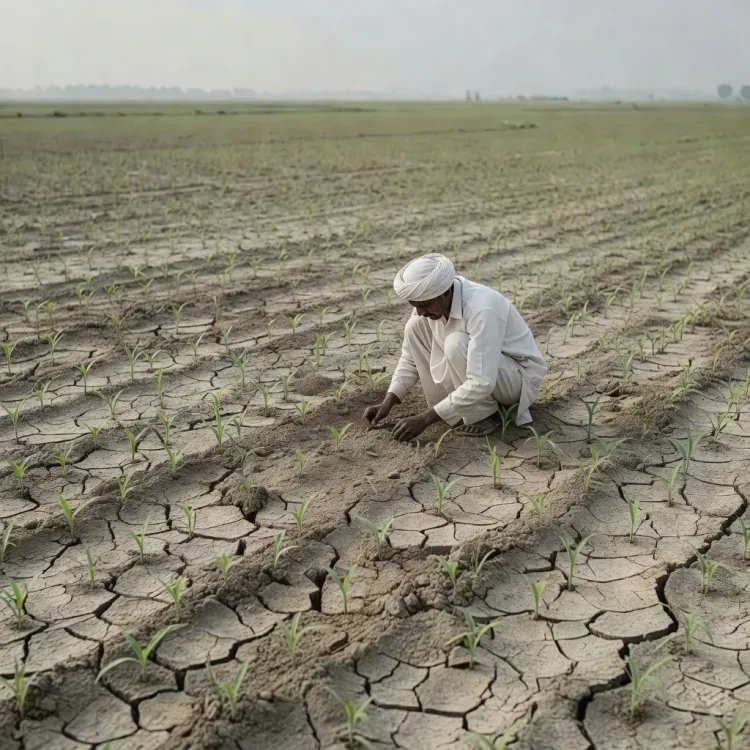
The Chief Minister's Office of Maharashtra has issued a weather advisory warning of a significant rainfall decline across most of the state from 8 July 2026, expected to last at least 10 days. Farmers in Khandesh, Marathwada, and Vidarbha are urged not to rush sowing until adequate soil moisture is available.
Key Takeaways
The CMO Maharashtra advisory, posted on 7 July 2026 , warns of a significant rainfall decline across most of Maharashtra from 8 July .
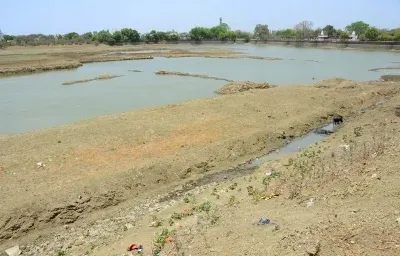
The dry spell is forecast to last at least 10 days , with maximum temperatures also expected to rise.
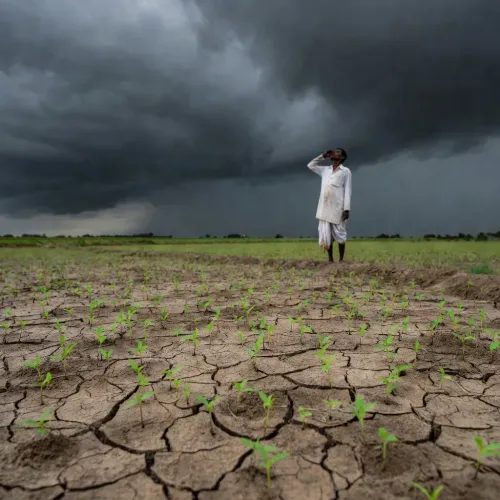
Deficient rainfall has been recorded in Khandesh (Dhule, Nandurbar), central Maharashtra (Ahmednagar, Solapur), western Vidarbha , and parts of Marathwada .
The India Meteorological Department projects the second fortnight of July to see far less rain than the first.
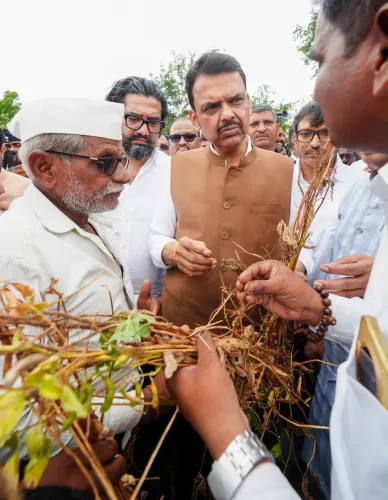
The state agriculture department has urged farmers not to begin sowing until sufficient soil moisture is present.
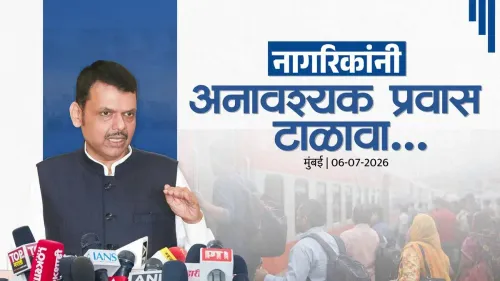
The advisory is tagged to Chief Minister Devendra Fadnavis , signalling direct executive attention to the developing situation.
The Chief Minister's Office of Maharashtra on Tuesday, 7 July 2026, issued a weather advisory warning that a significant decline in rainfall is expected across most parts of Maharashtra from 8 July, with the dry spell likely to persist for at least the next 10 days. The state's agriculture department has urged farmers in rain-deficient regions to hold off on sowing until adequate soil moisture is available.
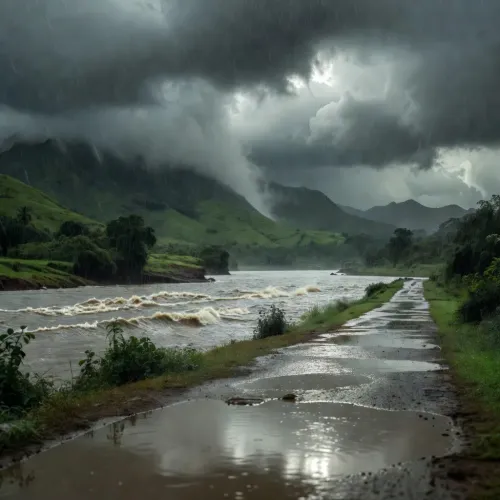
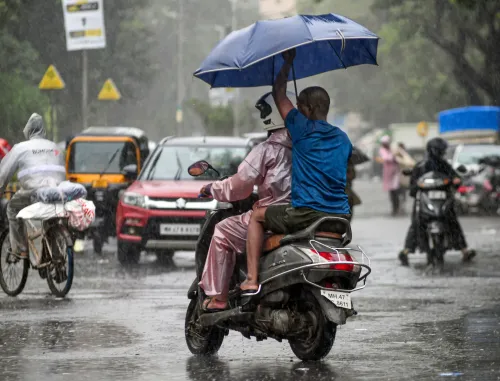
The post, shared from the official CMO Maharashtra account and tagged to Chief Minister Devendra Fadnavis, notes that while heavy rainfall struck Mumbai and western Maharashtra in early July, several regions have so far recorded below-average precipitation. The advisory specifically names Khandesh (districts of Dhule and Nandurbar), central Maharashtra (districts of Ahmednagar and Solapur), western Vidarbha, and parts of Marathwada as areas receiving deficient rainfall.
Context
The advisory translates the meteorological situation clearly: '8 जुलैपासून राज्यातील बहुतांश भागांमध्ये पावसाच्या प्रमाणात लक्षणीय घट होण्याचा अंदाज' ('A significant decline in rainfall is forecast across most parts of the state from 8 July'). The CMO post also flags the possibility of a rise in maximum temperatures across the state during this period — a compounding stress factor for standing crops and sowing operations. According to the India Meteorological Department's preliminary forecast cited in the post, the second fortnight of July 2026 could see rainfall levels far lower than the first fortnight — an unusual intra-month swing that places kharif operations under pressure.Policy Backdrop
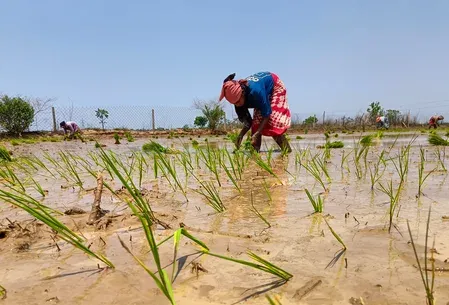
Maharashtra's agriculture is overwhelmingly rainfed, with the southwest monsoon determining the fate of kharif crops such as soybean, cotton, and pulses across Marathwada and Vidarbha. Both regions have historically been vulnerable to monsoon deficits and have been at the centre of agrarian distress in past drought years. State administrations have, across successive governments, relied on IMD bulletins to issue timely sowing advisories — a practice designed to prevent farmers from committing seed and input costs to dry soil, only to face crop failure. The agriculture department's appeal — that farmers in areas yet to receive satisfactory rain should not rush sowing before sufficient soil moisture develops — follows this established risk-management protocol for peninsular India's rainfed belt.Stakeholders and Impact
The communities most directly affected are farming households in Khandesh, Marathwada, and western Vidarbha — regions where delayed or deficient rainfall can compress the sowing window and reduce yields. A 10-day dry spell at this stage of the kharif season, when soil preparation and sowing are underway, could push planting timelines back and force farmers to reconsider crop choices or rely on contingency varieties. The advisory also carries an implicit fiscal dimension: state governments typically mobilise relief funds and contingency crop plans when rainfall deficits persist beyond critical thresholds. An early public communication from the CMO signals that the administration is monitoring the situation closely.What's Next
All eyes will be on subsequent weekly bulletins from the India Meteorological Department and any follow-up directives from the state agriculture department on contingency crop plans, moisture-conservation measures, or revised sowing calendars. Should the dry spell extend beyond the forecast 10-day window, pressure will mount on the state to activate formal drought-monitoring protocols and farmer-support mechanisms. The situation across Marathwada and Vidarbha in particular will be a key indicator of how the 2026 kharif season unfolds for Maharashtra.Point of View
Nandurbar, Ahmednagar, Solapur — and tagging Chief Minister Fadnavis, the post signals executive ownership of the weather-agriculture interface, not merely departmental routine. The timing is politically significant: both Marathwada and Vidarbha are electorally sensitive regions with long histories of farmer distress, and an early advisory helps the administration demonstrate responsiveness before a crisis materialises. Whether the state follows through with contingency crop support and moisture-conservation directives will determine whether this communication translates into substantive policy action.
NationPress
6 Oct 2026
Frequently Asked Questions
Which parts of Maharashtra are receiving below-average rainfall in July 2026?
According to the CMO Maharashtra advisory, Khandesh (Dhule and Nandurbar districts), central Maharashtra (Ahmednagar and Solapur), western Vidarbha, and parts of Marathwada are receiving below-average rainfall as of early July 2026.
How long will the rainfall decline in Maharashtra last?
The CMO Maharashtra post, citing IMD forecasts, states that the significant decline in rainfall is expected to persist for at least 10 days from 8 July 2026.
Should Maharashtra farmers start sowing despite low rainfall?
No. The state agriculture department has specifically advised farmers in areas that have not yet received satisfactory rainfall to avoid rushing sowing until sufficient soil moisture has developed.
What does the IMD forecast say about Maharashtra's rainfall in the second half of July 2026?
The India Meteorological Department's preliminary forecast, as cited in the CMO advisory, indicates that rainfall in the second fortnight of July 2026 could be significantly lower than in the first fortnight.
What is the risk of rising temperatures in Maharashtra during this dry spell?
The CMO Maharashtra advisory notes that a rise in maximum temperatures across the state cannot be ruled out during the forecast dry period from 8 July, adding to agricultural stress.